**Topic Map (Table of Contents)**
1. Introduction: The Origin of the “Waterproof” Debate
2. Waterproof vs. Water Resistant: The Critical Distinction
3. How Rolex Defines “Waterproof”: The Oyster Case
4. Rolex Water Resistance Ratings by Model (A Detailed Breakdown)
5. The Triple Lock Crown: A Key to Deep-Sea Performance
6. What Water Resistance Numbers Actually Mean (Atm, Bar, Metres, Feet)
7. Aging Seals and Gaskets: Why Water Resistance Degrades
8. Common Mistakes That Compromise Rolex Water Resistance
9. How to Test and Maintain Your Rolex’s Water Resistance
10. The Rolex Warranty and Water Damage Coverage
11. FAQ: Can You Shower, Swim, or Dive with a Rolex?
12. Conclusion: Trust the Rating, Not the Label
—
### 1. Introduction: The Origin of the “Waterproof” Debate
Few questions in horology spark more confusion than whether a Rolex is truly waterproof. For decades, Rolex used the term “waterproof” in its advertising, famously displaying Oyster cases submerged in aquariums. However, the watch industry has since shifted to “water resistant” for legal and technical reasons. This pillar page unpacks the entire system—from Rolex’s own definitions to real-world submersion limits—ensuring you know exactly what your watch can handle.
### 2. Waterproof vs. Water Resistant: The Critical Distinction
– **Waterproof** implies a permanent, unbreakable barrier. No watch can remain sealed forever because gaskets (rubber or Teflon) degrade over time.
– **Water resistant** acknowledges the limitation: the watch resists water ingress under specific, static conditions (e.g., no pressure spikes, no chemical exposure).
– **Rolex’s stance**: Rolex does not use “waterproof” in modern documentation. They test every watch to exceed its rated depth by 10% or more, but they still treat it as resistance, not immunity.
### 3. How Rolex Defines “Waterproof”: The Oyster Case
The Oyster case, patented in 1926, was Rolex’s first “waterproof” system. It relies on:
– A screw-down case back (threaded into the case).
– A screw-down crown with gaskets.
– A crystal pressed in under tension.
Rolex today guarantees water resistance *when the crown is fully screwed in*. Without proper crown closure, the pressure rating is null.
### 4. Rolex Water Resistance Ratings by Model (A Detailed Breakdown)
**Every Rolex is tested individually before leaving the factory. Common ratings include:**
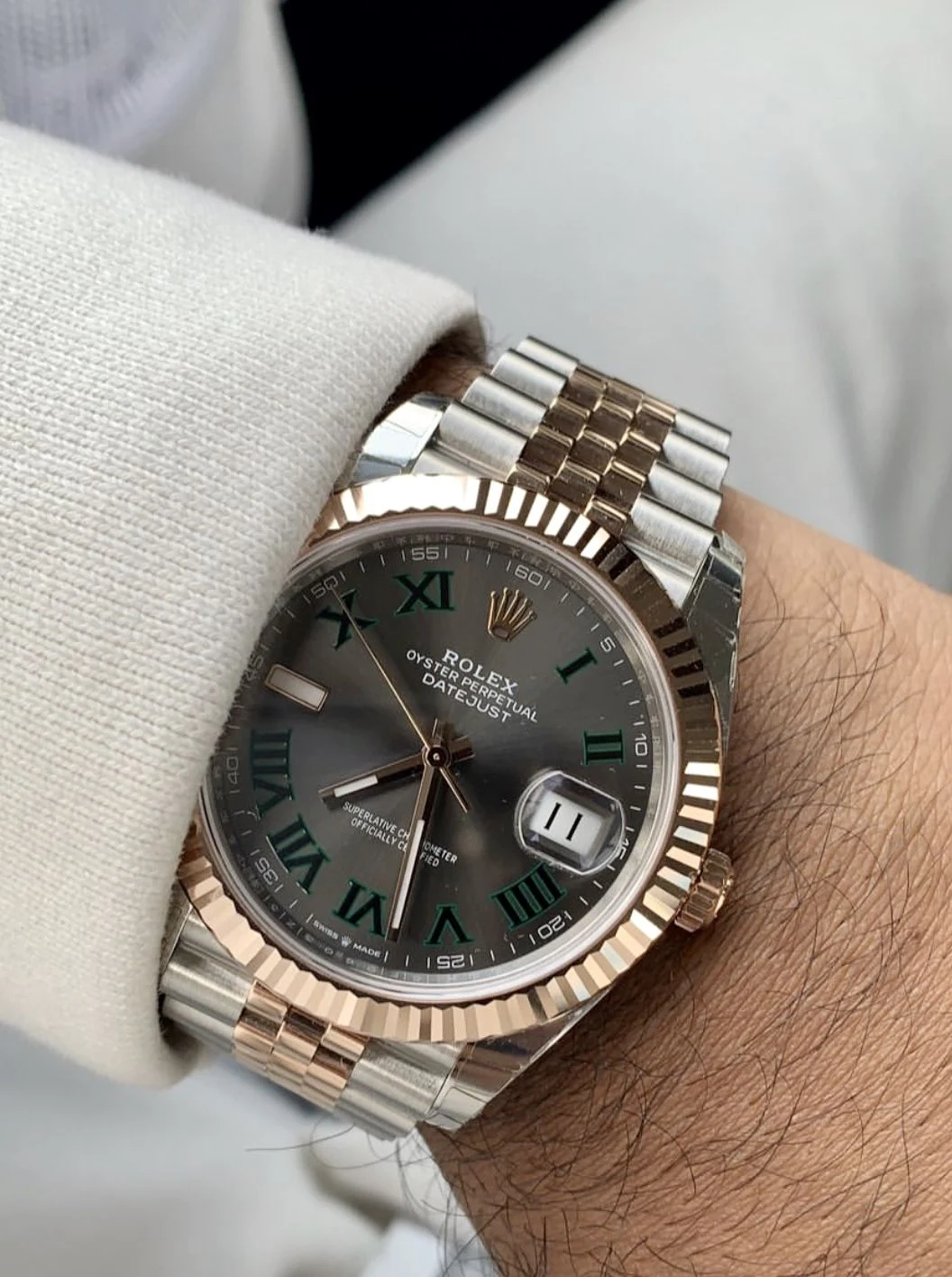
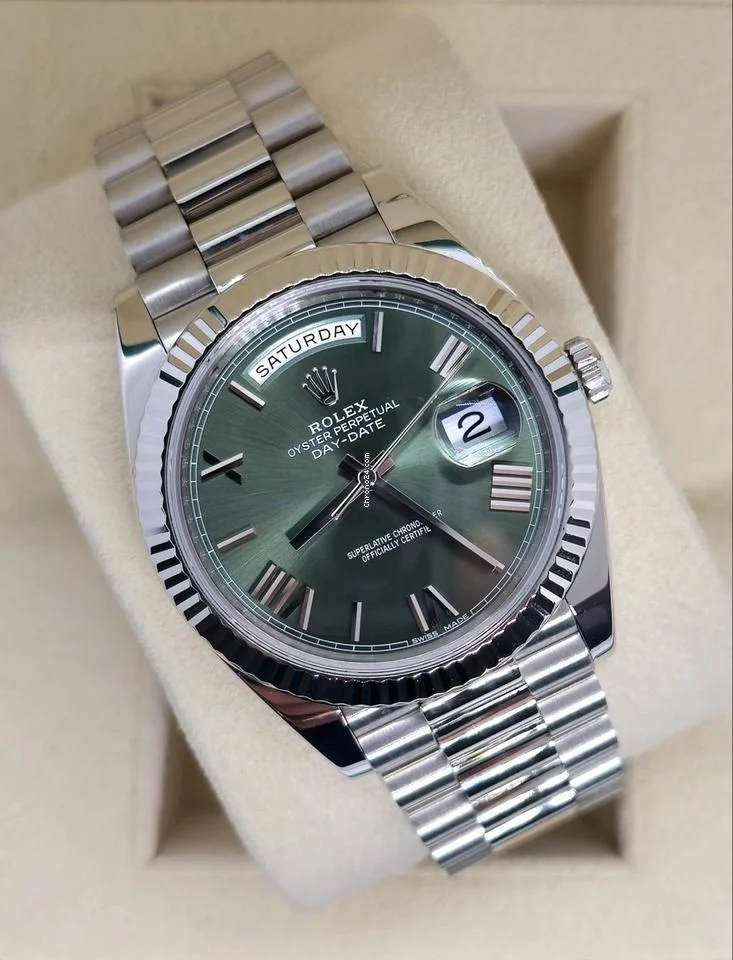
– **Rolex Oyster Perpetual, Datejust, Day-Date** – 100 metres (330 feet). Suitable for swimming and shallow snorkeling.
– **Rolex Submariner** – 300 metres (1,000 feet). Professional diving watch; safe for scuba diving with air tanks.
– **Rolex Sea-Dweller** – 1,220 metres (4,000 feet). Helium escape valve for saturation diving.
– **Rolex Deepsea** – 3,900 metres (12,800 feet). For extreme deep-sea exploration.
– **Rolex GMT-Master II, Explorer, Yacht-Master** – 100 to 100 metres. The Explorer is rated to 100 metres; the GMT-Master II and Yacht-Master to 100–300 depending on generation.
– **Rolex Daytona (Cosmograph)** – 100 metres. Surprisingly, the chronograph is not for diving, but safe for swimming and light water sports.
– **Rolex Cellini** – 50 metres? No. Cellini models are typically **not water resistant** (or only 30 metres / 100 feet). They lack screw-down crowns.
**Important nuance**: “100 metres” means the watch can withstand the static pressure of water at that depth *without movement*. Dynamic pressure from swimming or diving adds stress.
### 5. The Triple Lock Crown: A Key to Deep-Sea Performance
Rolex uses two crown systems:
– **Twinlock** (two gaskets): Found on Oyster Perpetual, Datejust, Submariner (pre-1970s), and many modern 100m models.
– **Triplock** (three gaskets): Found on Submariner (modern), Sea-Dweller, Deepsea. This triple seal prevents water ingress when the crown is pulled out or under extreme pressure.
**Internal link opportunity**: [Link to article “How to Clean and Maintain Your Rolex Crown”] – essential for preserving seal integrity.
### 6. What Water Resistance Numbers Actually Mean (Atm, Bar, Metres, Feet)
– **1 ATM = 1 bar = 10 metres = 33 feet** (static pressure).
– **Water columns**: A watch rated to 30 metres is **not** safe for swimming 30 metres deep. The 30m rating is equivalent to splashes (rain, handwashing).
– **Rolex 100m**: Safe for swimming, snorkeling, and shallow diving.
– **Rolex 300m**: Safe for recreational scuba diving.
– **Ratings always assume fresh water at 20°C (68°F).** Hot water, chlorine, and salt water degrade gaskets faster.
### 7. Aging Seals and Gaskets: Why Water Resistance Degrades
Rolex watches leave the factory water-resistant, but time is the enemy. Over 5–10 years:
– Rubber gaskets (crown, case back, crystal) dry out and crack.
– Silicone or Teflon seals compress and lose elasticity.
– The crystal may shift from thermal expansion (e.g., hot sauna + cold pool).
**Key recommendation**: Have gaskets replaced every 5–7 years during service. Rolex service centers automatically replace them.
### 8. Common Mistakes That Compromise Rolex Water Resistance
– **Operating the crown underwater**: Never unscrew the crown while submerged. Even for setting time, water can enter.
– **Using the chronograph underwater**: The Daytona’s pushers are not designed for deep submersion (100m rating is for static case, not button operation).
– **Exposure to chemicals**: Perfume, sunscreen, and soap can degrade gaskets. Rinse with fresh water after beach or pool.
– **Shock and impacts**: Dropping a watch can dislodge the crystal or bend the case, breaking seals.
– **Thermal shock**: Turbo sauna use (60°C+) followed by cold water can cause condensation inside the crystal.
### 9. How to Test and Maintain Your Rolex’s Water Resistance
– **Visual inspection**: Check for condensation under the crystal (fog indicates compromised seal).
– **Annual pressure test**: An Omega or Witschi dry-test machine (non-invasive) can verify seals without water. Most Rolex ADs and watchmakers offer this for free.
– **Leak test**: Submersion in a pressurized water chamber (done only by professionals).
– **DIY note**: Do not test by submerging in a glass of water. If seals fail, immediate damage results.
**Internal link opportunity**: [Link to “Rolex Service Guide: DIY vs. Professional Maintenance”]
### 10. The Rolex Warranty and Water Damage Coverage
– **New Rolex warranty** (5 years from 2023): Covers manufacturing defects but **not** water damage from misuse (e.g., crown left open, hot water, shock).
– **After-market service**: Water damage repair is expensive (movement replacement can cost thousands). Many insurers exclude “gradual water ingress.”
– **Prevention tip**: If your watch shows condensation, stop wearing it immediately and bring it to a watchmaker. Drying out inside the case takes days and often leaves salt residue.
### 11. FAQ: Can You Shower, Swim, or Dive with a Rolex?
**Q: Can I shower with my Datejust?**
A: Not ideal. Hot water and steam (especially in a sauna) stress the gaskets. Rinse with fresh water after swimming, but avoid hot showers.
**Q: Can I swim with a Submariner?**
A: Yes, as long as the crown is screwed down and the seals are less than 7 years old. Rinse with fresh water after salt or chlorinated water.
**Q: Can I free dive with a Deepsea?**
A: Yes, the Deepsea is rated for extreme depth. Ensure the helium valve is tightened (it seals automatically).
**Q: Is a vintage Rolex (pre-1970s) safe to swim with?**
A: No. Vintage watches often have dried, brittle gaskets. Unless recently serviced, they should be kept dry.
### 12. Conclusion: Trust the Rating, Not the Label
Rolex does not make “waterproof” watches in the absolute sense—no watch can be. But with proper care, a modern Rolex (e.g., Submariner, Sea-Dweller) is as water resistant as any luxury dive watch on the market. The key takeaways:
– Know your model’s rating (100m, 300m, etc.).
– Never operate the crown or pushers underwater.
– Replace gask
Are Rolex Watches Waterproof or Water Resistant? A Complete Guide to Submersion, Ratings, and Care
**Topic Map (Table of Contents)** 1. Introduction: The Origin of the “Waterproof” Debate 2. Waterproof vs. Water Resistant: The Critical Distinction 3. How Rolex Defines “Waterproof”: The Oyster Case 4. Rolex Water Resistance Ratings by Model (A Detailed Breakdown) 5. The Triple Lock Crown: A Key to Deep-Sea Performance 6. What Water Resistance Numbers Actually […]
admin ·