**Topic Map**
1. **The Short Answer: Is It Possible?**
2. **Why Change a Rolex Bezel? Common Motivations**
3. **Types of Rolex Bezels: A Technical Breakdown**
– 3.1. Dive Bezels (Ceramic vs. Aluminum)
– 3.2. GMT Bezels
– 3.3. Fixed Bezels (Day-Date, Datejust)
4. **The Compatibility Question: Which Models Allow Bezel Swaps?**
– 4.1. Submariner 5/6-Digit Series
– 4.2. GMT-Master II (Ceramic)
– 4.3. Daytona vs. Yacht-Master
5. **Methods of Changing a Rolex Bezel**
– 5.1. The Click-Spring System (Ceramic Submariner)
– 5.2. The Tension Ring & Friction Fit
– 5.3. Adhesive-Backed Inserts (Older Aluminum Models)
6. **DIY vs. Professional Installation: Risks & Rewards**
7. **Authenticity & Aftermarket Parts: What You Must Know**
8. **The Impact on Value: Does Changing the Bezel Devalue a Rolex?**
9. **Step-by-Step Overview for a Professional Bezel Swap**
10. **Frequently Asked Questions (FAQ)**
—
**The Short Answer: Is It Possible?**
Yes, you can change the bezel on many Rolex models, but the process is model-specific and requires a deep understanding of Rolex’s engineering. While a bezel swap is a common modification, it is not a universal, simple “snap-on” procedure. For some modern watches (e.g., ceramic Submariner 116610LN), the bezel assembly is designed to be user-serviceable by a trained watchmaker. For vintage models or fixed-bezel watches (like a Datejust), the process becomes significantly more complex—or impossible without specialized tools. This pillar page covers every nuance of how, why, and when you can change a Rolex bezel, including compatibility, risks, and value implications.
—
**Why Change a Rolex Bezel? Common Motivations**
1. **Aesthetic Customization:** Owners often swap a black dive bezel for a “Hulk” green (116610LV style) or a Coke/ Pepsi color scheme on a GMT.
2. **Wear and Tear Replacement:** Scratches, fading, or chipped ceramic inserts are common on daily-worn Subs and GMTs.
3. **Upgrading Materials:** Replacing an aluminum insert with a ceramic one on a 5-digit Submariner (e.g., 16610) is a popular upgrade.
4. **Repair of a Broken Mechanism:** If the bezel rotation becomes stiff, loose, or non-functional, a full assembly replacement is often necessary.
5. **Collector Restoration:** Returning a vintage piece to original spec by sourcing an NOS (New Old Stock) bezel.
—
**Types of Rolex Bezels: A Technical Breakdown**
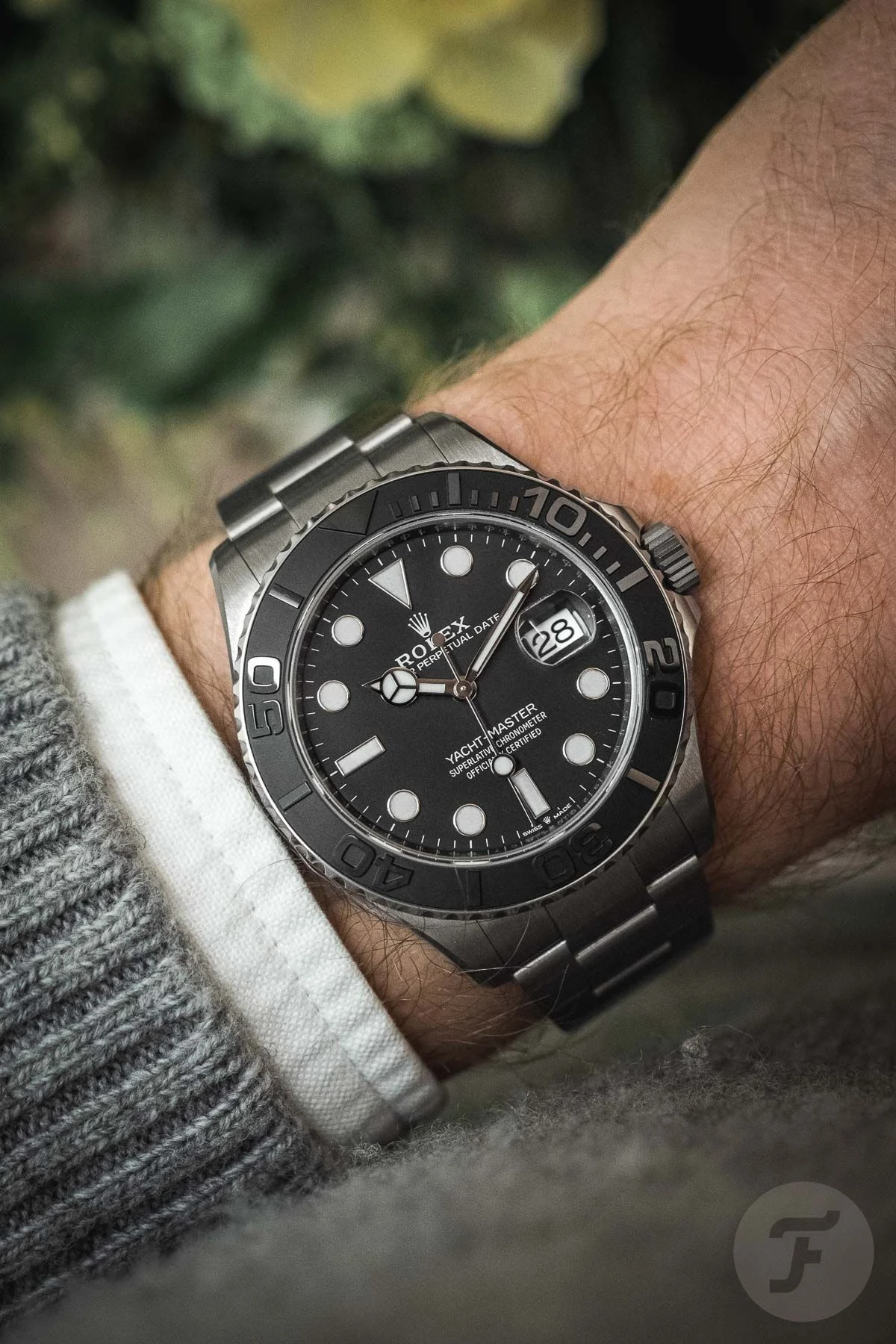
– **3.1. Dive Bezels (Ceramic vs. Aluminum):** Most modern Subs (116610, 126610) use a ceramic (Cerachrom) bezel insert, which is highly scratch-resistant but brittle. Older models (16610) use anodized aluminum, which fades and scratches easily but is easier to replace. The bezel assembly includes a steel ring, a click-spring, and a tension ring—not just the insert.
– **3.2. GMT Bezels:** These feature a 24-hour scale (often bi-color ceramic on modern models like 126710BLRO). The ceramic GMT bezel is a single piece that clicks in both directions. The insert is permanently bonded to the bezel ring, so you must replace the entire assembly.
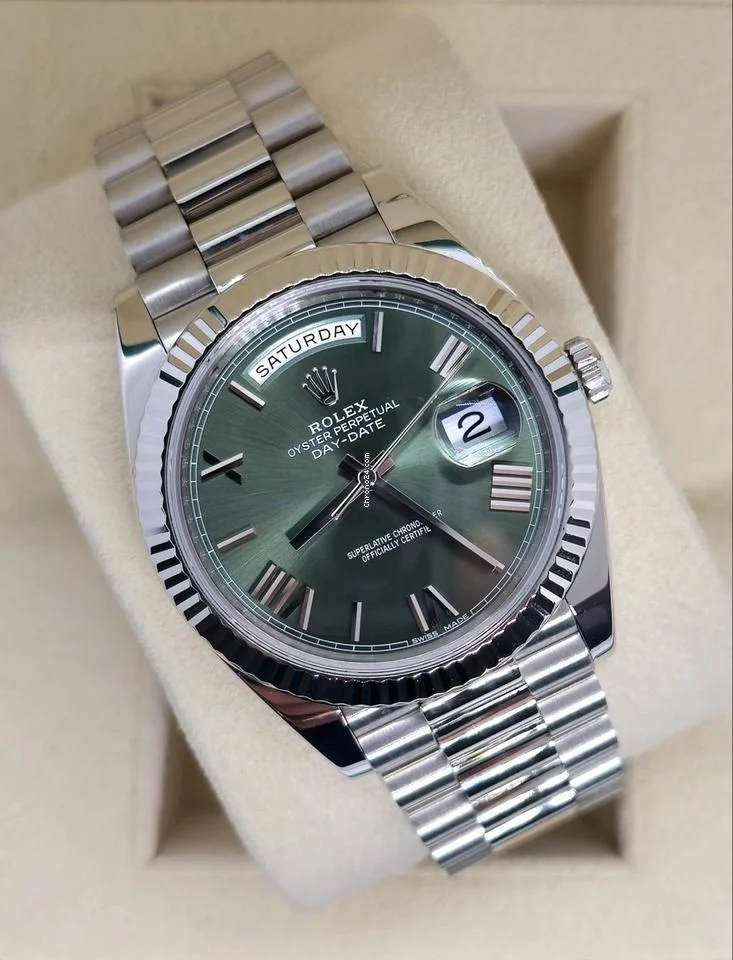
– **3.3. Fixed Bezels (Day-Date, Datejust):** These bezels are not designed for rotation and are usually press-fit or mounted with a friction ring. They serve a purely aesthetic or gem-setting function. Changing them requires removing the crystal, case tube, and sometimes the crown—a job for a professional only.
—
**The Compatibility Question: Which Models Allow Bezel Swaps?**
– **4.1. Submariner 5/6-Digit Series (Compatible):** The Submariner 14060, 16610, 116610, and 126610 all have modular bezel systems. You can swap the entire bezel assembly (ring + insert) or just the insert if you have the correct tools. The 5-digit models (16610) have a tension ring that holds the aluminum insert; the 6-digit models have a click-spring system for the ceramic insert.
– **4.2. GMT-Master II (Ceramic) – Compatible with Caution:** The ceramic GMT bezel (e.g., 116710LN) is a single, high-cost unit. While you can swap it, aftermarket options are often poor quality, and the original insert is glued to the bezel ring. A swap is best left to a Rolex-trained watchmaker.
– **4.3. Daytona vs. Yacht-Master – Limited Compatibility:** The Daytona bezel (stainless steel with engraved tachymeter) is a single-piece ring that is press-fit and often includes the crystal. Changing it is complex and requires crystal removal. The Yacht-Master bezel is similar but uses a 60-minute dive scale. Aftermarket options exist but are not recommended for value retention.
—
**Methods of Changing a Rolex Bezel**
– **5.1. The Click-Spring System (Ceramic Submariner):** Modern Subs use a bezel held by a 1.2mm click-spring that sits in a groove beneath the bezel ring. To remove, you pry the bezel slightly upward with a 1.5mm slot screwdriver while compressing the spring. Reassembly requires aligning the spring with the case’s notch and pressing the bezel back into place until it clicks.
– **5.2. The Tension Ring & Friction Fit (Older Subs & GMTs):** Aluminum bezels are held by a thin, flexible tension ring. Using a crystal lift tool or a bezel removal tool, you press the ring inward to release the bezel. This is a high-skill task; improper torque can crack the tension ring or damage the case tube.
– **5.3. Adhesive-Backed Inserts (Vintage Models):** Many older (pre-1980s) Rolex bezel inserts are glued to the steel bezel ring. Removal requires heat (a specialized 50°C heating block) to soften the adhesive, then careful prying. Reapplication uses 3M 468MP adhesive or equivalent. Never use superglue—it compromises water resistance and future swaps.
—
**DIY vs. Professional Installation: Risks & Rewards**
**DIY (High Risk, Low Reward for Most):**
– **Risks:** Scratched case, broken ceramic insert (costly to replace), water resistance failure, misaligned bezel, lost click-spring.
– **Tools Needed:** Bergeon 6825 bezel remover, case back opener, plastic-tipped tweezers, magnifying loupe.
– **Who Should Do It:** Only if you have disassembled a Rolex before and have a clean, vibration-free workbench.
**Professional Installation (Recommended):**
– **Cost:** $100–$300 for labor, plus cost of parts.
– **Benefits:** Guaranteed water resistance testing, correct torque, genuine Rolex parts, no risk of damage.
– **Who to Use:** RSC (Rolex Service Centre) for OEM parts; an independent watchmaker with Rolex experience for aftermarket.
**Verdict:** For a 6-digit ceramic Sub, a professional swap costs around $150. DIY could cost you $1,000+ for a cracked bezel. Unless you are a trained watchmaker, avoid DIY.
—
**Authenticity & Aftermarket Parts: What You Must Know**
– **Genuine Rolex Parts:** Only from Rolex service centers or authorized parts dealers (rare). A genuine ceramic bezel insert for a 116610LN costs $350–$500 (retail). A certified Rolex guild member can source them.
– **Aftermarket Options:** Brands like “Classic” or “YC” produce ceramic inserts that fit Sub and GMT cases. They are 90% accurate but differ in font, lume pip shape, and color saturation. Using an aftermarket bezel significantly reduces the watch’s resale value (20–40% drop) and voids any remaining Rolex warranty.
– **Counterfeit Parts:** Avoid “China-grade” inserts sold on eBay. They fade quickly, have poor alignment, and can cause water ingress.
– **Legal Warning:** Selling a Rolex modified with aftermarket bezels as “original” is fraud. Always disclose modifications.
—
**The Impact on Value: Does Changing the Bezel Devalue a Rolex?**
– **OEM Replacement (Same Style):** If you replace a damaged OEM bezel with another genuine Rolex part (e.g., swapping a faded 16610 aluminum for a new OEM aluminum), value stays neutral or may increase slightly if the watch looks mint.
– **OEM Upgrade (Different Style):**
The Ultimate Guide: Can You Change the Bezel on a Rolex? A Comprehensive Pillar Page
**Topic Map** 1. **The Short Answer: Is It Possible?** 2. **Why Change a Rolex Bezel? Common Motivations** 3. **Types of Rolex Bezels: A Technical Breakdown** – 3.1. Dive Bezels (Ceramic vs. Aluminum) – 3.2. GMT Bezels – 3.3. Fixed Bezels (Day-Date, Datejust) 4. **The Compatibility Question: Which Models Allow Bezel Swaps?** – 4.1. Submariner 5/6-Digit […]
admin ·