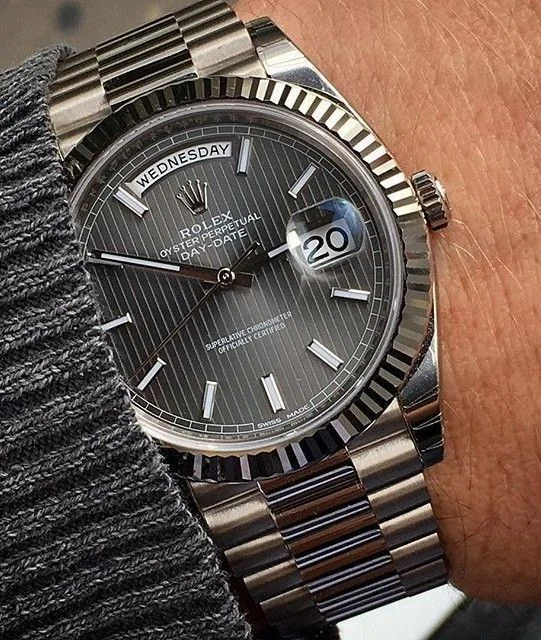
Classic Cartier watches represent a pinnacle of luxury horology, blending timeless design with innovative craftsmanship. These timepieces have endured for over a century, symbolizing elegance and precision. Originating from a storied Parisian jeweler, classic Cartier watches continue to captivate collectors and enthusiasts with their distinctive shapes, materials, and heritage. This article explores their defining models, history, features, and enduring appeal.
What Defines a Classic Cartier Watch?
A classic Cartier watch is typically characterized by its rectangular or square cases, Roman numerals, blued steel hands, and cabochon crown. These elements stem from early 20th-century designs that prioritized aesthetic harmony over mere functionality. Unlike round sport watches of the era, classic Cartier watches often feature soft, curving lines inspired by architecture and art deco motifs.
Materials like yellow gold, platinum, or stainless steel, combined with sapphire crystals and mechanical movements, further distinguish them. The focus on symmetry and minimalism ensures these watches remain relevant across generations.
Which Models Exemplify Classic Cartier Watches?
Several iconic models stand out as quintessential classic Cartier watches. The Tank, introduced in 1917, draws inspiration from the Renault tanks of World War I, featuring a rectangular case with brancard lugs that mimic tank tracks. Its variants, like the Tank Louis Cartier and Tank Américaine, offer subtle evolutions while preserving the original silhouette.
The Santos, launched in 1904, was the first wristwatch for men, commissioned for aviator Alberto Santos-Dumont. Its square case with exposed screws and riveted bezel marked a departure from pocket watches. Other notables include the Pasha with its distinctive grille and the Must de Cartier line, which made classic designs more accessible in quartz form during the 1970s and 1980s.
What Is the History of Classic Cartier Watches?
Cartier’s journey into watchmaking began in the late 19th century under Louis Cartier, who transformed the family jewelry house founded in 1847. The Santos in 1904 addressed the need for a pilot’s wristwatch, replacing cumbersome pocket watches. The Tank followed in 1917, becoming a favorite of royalty and celebrities, including Jackie Kennedy and Andy Warhol.
Through the art deco era of the 1920s and 1930s, classic Cartier watches evolved with bolder geometries and enamel dials. Post-World War II, they adapted to quartz movements in the 1970s, ensuring longevity. Today, these models are reissued with modern refinements, honoring their origins.
How Do Classic Cartier Watches Incorporate Innovative Features?
Classic Cartier watches pioneered several horological advancements. The Santos introduced a waterproof case with internal dust covers, a rarity at the time. The Tank’s slim profile housed complex manual-wind movements, achieving elegance without bulk.
Many feature high-beat calibers for accuracy, like the 1904 MC in reissues, with column-wheel chronographs in some Pasha variants. Rail-track minute tracks and guilloché dials add texture and readability. These technical elements are seamlessly integrated into the aesthetic, prioritizing wearability.
What Materials and Craftsmanship Distinguish Classic Cartier Watches?
Classic Cartier watches employ premium materials such as 18-karat gold, white gold, and sometimes leather straps with gold buckles. Cases are often hand-polished to a mirror finish, contrasting with brushed flanks for depth. Dials use grand feu enamel for durability and luster.
Craftsmanship involves over 100 steps per watch, including hand-setting jewels and bevelling bridges. The signature blue cabochon spinel on the crown adds a jewel-like flourish. These details ensure that classic Cartier watches not only tell time but serve as wearable art.
How Do Classic Cartier Watches Compare to Modern Interpretations?
Modern versions of classic Cartier watches retain core designs but incorporate contemporary updates like automatic movements and ceramic bezels for durability. Sizes have increased slightly to suit larger wrists, and complications such as perpetual calendars appear in limited editions.
However, purists prefer vintage or faithful reissues for their slimmer profiles and historical authenticity. Classic models emphasize discretion, while newer ones may include bolder colors or diamonds, expanding appeal without diluting heritage.
What Are Common Misconceptions About Classic Cartier Watches?
One misconception is that all classic Cartier watches are overly delicate; in fact, models like the Santos were built for rugged use. Another is that they lack complications—many house tourbillons or chronographs. Vintage pieces are often undervalued compared to modern hype-driven models.
Quartz versions from the 1980s, like the Must line, are dismissed as lesser, yet they democratized access to classic designs with reliable accuracy.
How Should Classic Cartier Watches Be Maintained?
Proper care extends the life of classic Cartier watches. Store them in a dry, dust-free environment, avoiding magnets and extreme temperatures. Wind manual models daily or have them serviced every 3–5 years by specialists.
Clean with a soft cloth; for gold cases, use a jeweler’s polish sparingly. Water resistance varies, so check specifications before exposure. Regular overhauls preserve movement oils and prevent wear on pivots.
In summary, classic Cartier watches embody enduring style and technical prowess, influencing luxury watchmaking profoundly. Their legacy lies in balancing form, function, and history, making them perennial favorites for discerning collectors.
What Is the Most Famous Classic Cartier Watch?
The Tank is widely regarded as the most famous, with its 1917 debut and endorsements from figures like Princess Diana solidifying its status.
Are Classic Cartier Watches a Good Investment?
Vintage classic Cartier watches can appreciate, especially rare models in excellent condition, due to limited supply and growing demand.
How Can You Tell a Real Classic Cartier Watch?
Authentic pieces feature precise engravings, matching serial numbers, and smooth movements; professional appraisal confirms genuineness.