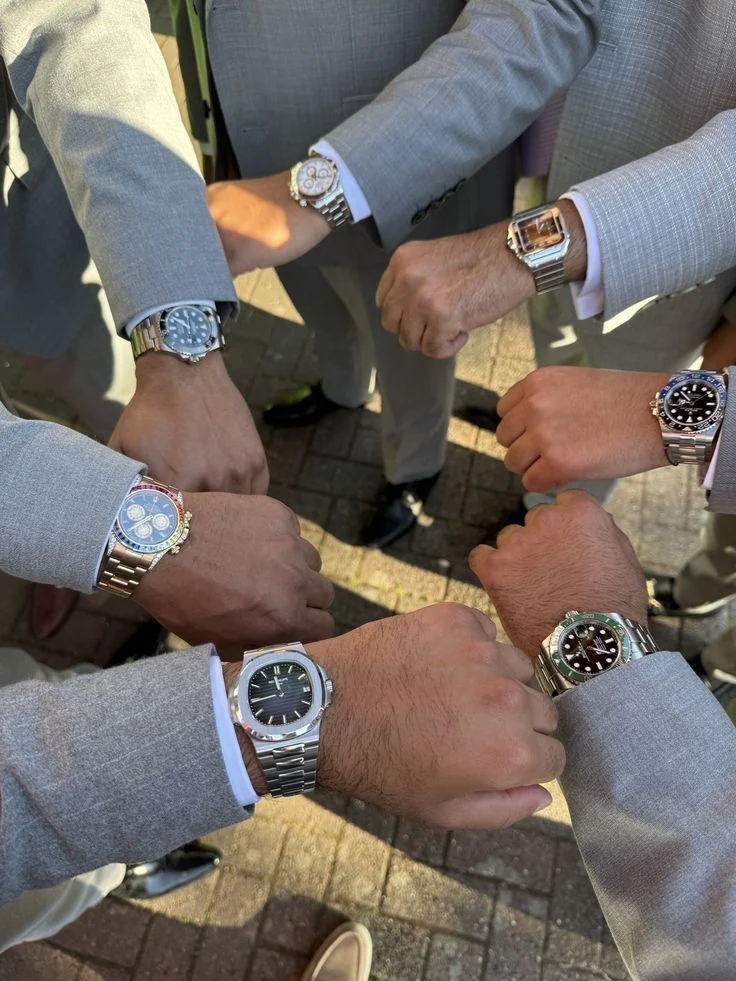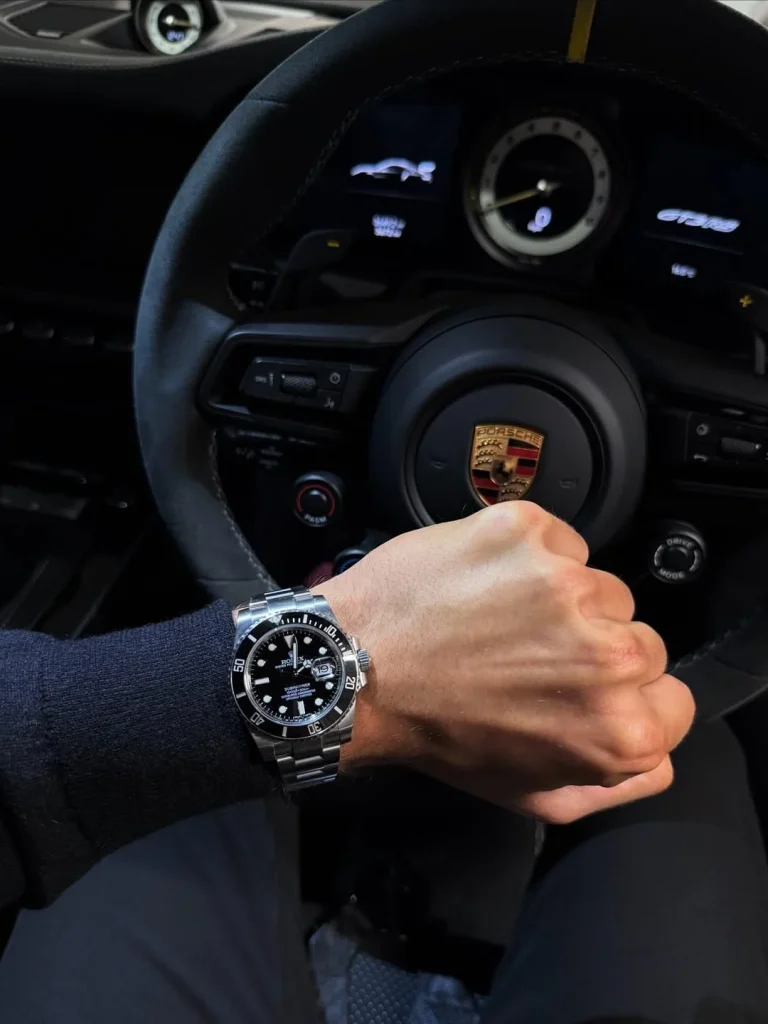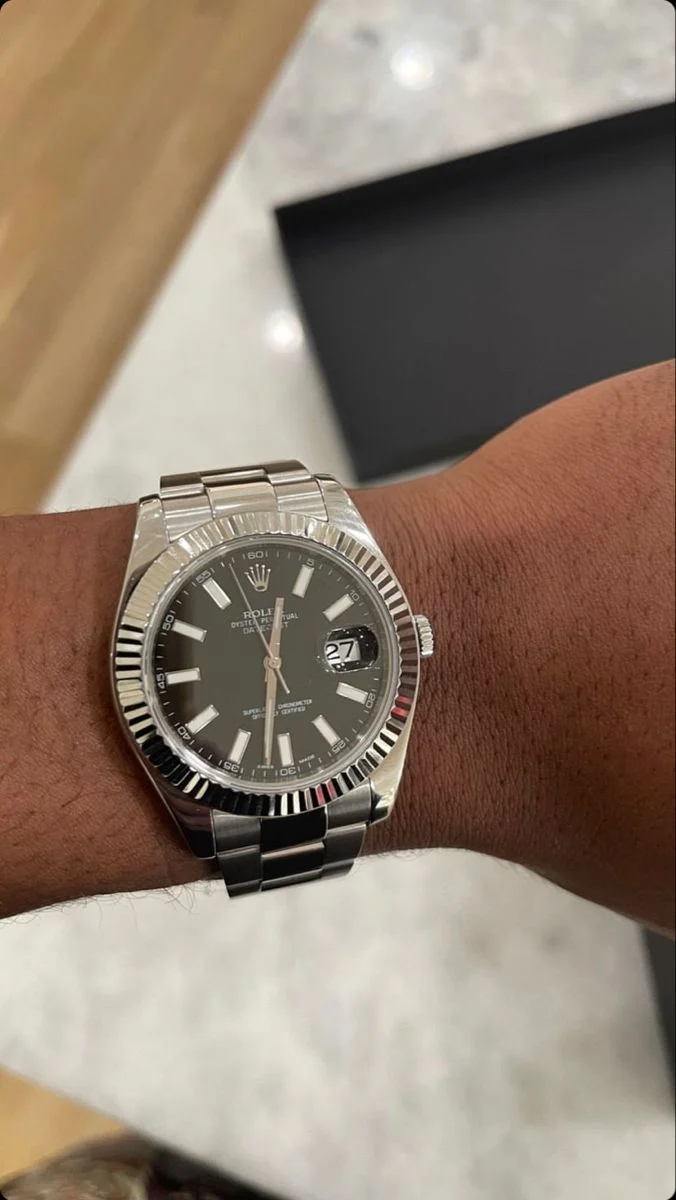
Short answer: For many buyers, Rolex watches are worth the price because they combine durable engineering, strong resale value, and enduring brand prestige; however, whether a Rolex is worth its cost depends on your priorities—style, investment potential, daily durability, or horological purity.
Detailed explanation
When people ask “are Rolex worth the price” or “are Rolex watches worth it,” they are really weighing several things: the upfront cost, long-term value retention, quality of manufacturing, and what owning a Rolex means socially and personally. Rolex occupies a unique position in the watch world as a luxury brand that also functions as a robust tool watch. That blend explains both the high price tags and the remarkable demand in the market.
Rolex controls production tightly, uses high-quality materials (904L/ASTM grade stainless steel, proprietary alloys like Everose gold, ceramic bezels, and Chromalight lume), and builds movements that are reliable and chronometer-certified. The company’s scale, integrated manufacturing, and focus on consistency contribute to higher prices but also to watches that often last decades with proper service.
Another major factor is perceived value: Rolex has established itself as a symbol of achievement. That intangible factor increases desirability and, in many cases, resale price. For buyers focused purely on horological innovation, brands that emphasize finishing or complications at similar prices (for example, independent watchmakers or certain Swiss maisons) might offer more “watchmaking value” per dollar. For buyers who want durability, brand recognition, and liquidity, Rolex often makes sense.
Key reasons / factors
- Build quality and materials — Solid cases, robust movements, and corrosion-resistant steels and alloys.
- In-house movements — Most modern Rolex calibers are made entirely by Rolex and are COSC-certified or superior, emphasizing reliability over spectacle.
- Brand prestige and recognition — Rolex is one of the most recognized luxury brands globally, which affects desirability and social signaling.
- Resale and investment potential — Many Rolex models retain value well, some even appreciate due to scarcity and collector demand (e.g., Submariner, Daytona).
- Availability and scarcity — Controlled distribution and popular models being hard-to-find can push prices on the secondary market above retail.
- Service and longevity — Rolex offers global service networks; regular maintenance can keep a watch running reliably for generations.
- Model and purpose — Value proposition varies by model: a tool-focused Submariner differs from a dress-focused Cellini in resale and utilitarian value.
- Alternatives and opportunity cost — Depending on taste, brands like Omega, Tudor, Grand Seiko, and independent makers may offer better finishing or value at similar prices.
Comparison (if relevant)
| Aspect | Rolex | Omega | Grand Seiko / Tudor |
|---|---|---|---|
| Price Range (new) | Medium–High | Medium | Low–Medium |
| Resale Value | Very strong (certain models excel) | Good (some models hold value) | Tudor fair, Grand Seiko improving |
| Finishing & Horology | Very good, focused on robustness | Excellent value with innovative tech | Exceptional finishing (Grand Seiko); Tudor strong for price |
| Brand Prestige | Top-tier mainstream luxury | High, sport & heritage | Respected, niche prestige growing |
Pros and Cons
-
Pros:
- Strong brand recognition and social cachet
- Excellent durability and proven movements
- High resale value and secondary market demand
- Wide service network and long-term support
- Iconic designs that have stood the test of time
-
Cons:
- High initial cost, sometimes above intrinsic manufacturing value
- Certain models are subject to waiting lists and inflated secondary prices
- Less finishing detail than comparably priced independent haute horlogerie
- Maintenance costs (servicing by authorized centers is not cheap)
- Risk of counterfeits and grey-market pitfalls
FAQs
1. Are Rolex watches a good investment?
Many Rolex models have historically held value well and some have appreciated, particularly limited or discontinued references (e.g., certain Daytonas, vintage Submariners). However, not every Rolex will be a guaranteed investment. Investment potential depends on model, condition, rarity, and market trends. Buy what you love first; potential appreciation is a bonus.
2. Is a pre-owned Rolex a better value than buying new?
Pre-owned Rolex watches can offer strong value because you avoid initial depreciation on some models and can find rare or discontinued pieces. That said, buying pre-owned requires vetting for authenticity, service history, and condition. Certified pre-owned dealers or Rolex-authorized retailers with warranty transfers are the safest options.
3. How much does maintenance cost and how often is service needed?
Rolex recommends servicing every 8–10 years, though this varies with usage. Service costs depend on the model and region but can range from a few hundred to over a thousand dollars for full overhauls or repairs. Regular care (avoiding shocks, keeping straps/bracelets maintained) extends intervals between services.
4. Are there cheaper alternatives that offer similar quality?
Yes. Tudor (Rolex’s sibling brand) offers similar design language and excellent value. Grand Seiko, Omega, and higher-end microbrands provide outstanding finishing, in-house tech, and compelling alternatives across different budgets and tastes. The best choice depends on whether you value brand prestige or mechanical and finishing qualities more.
5. Should I buy a Rolex for status or for the watch itself?
Both are valid reasons. If you value the social and emotional significance of owning a Rolex, that can justify the price. If you prioritize technical innovation, fine finishing, or indie craftsmanship, other brands might offer more horological “bang for your buck.” Ideally, choose a watch that satisfies both your aesthetic and practical expectations.