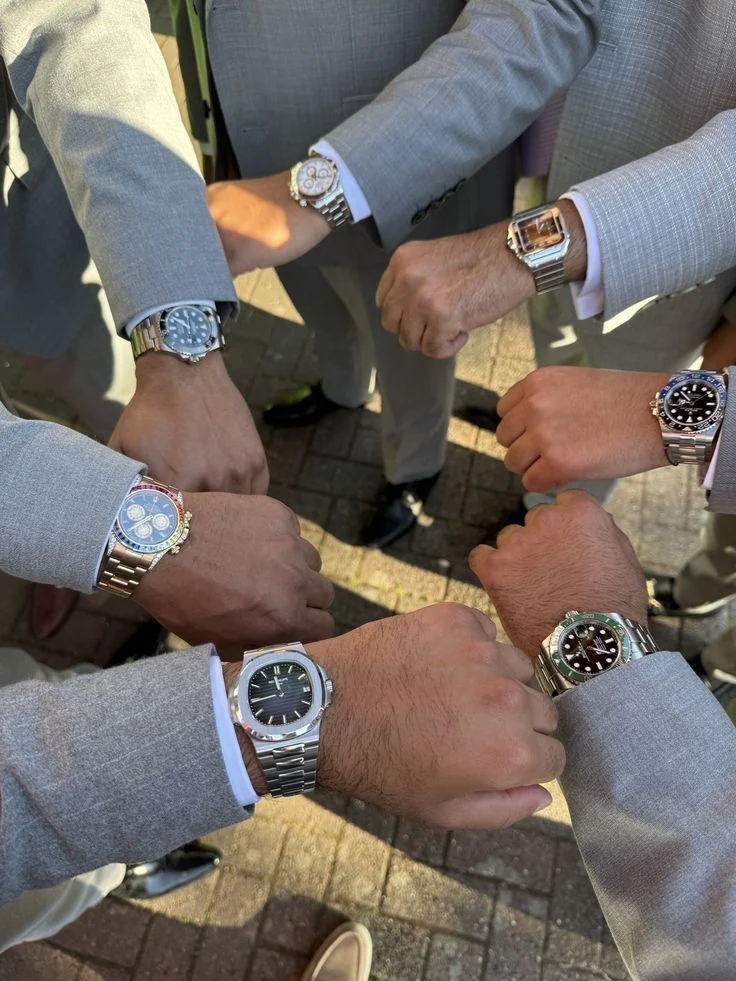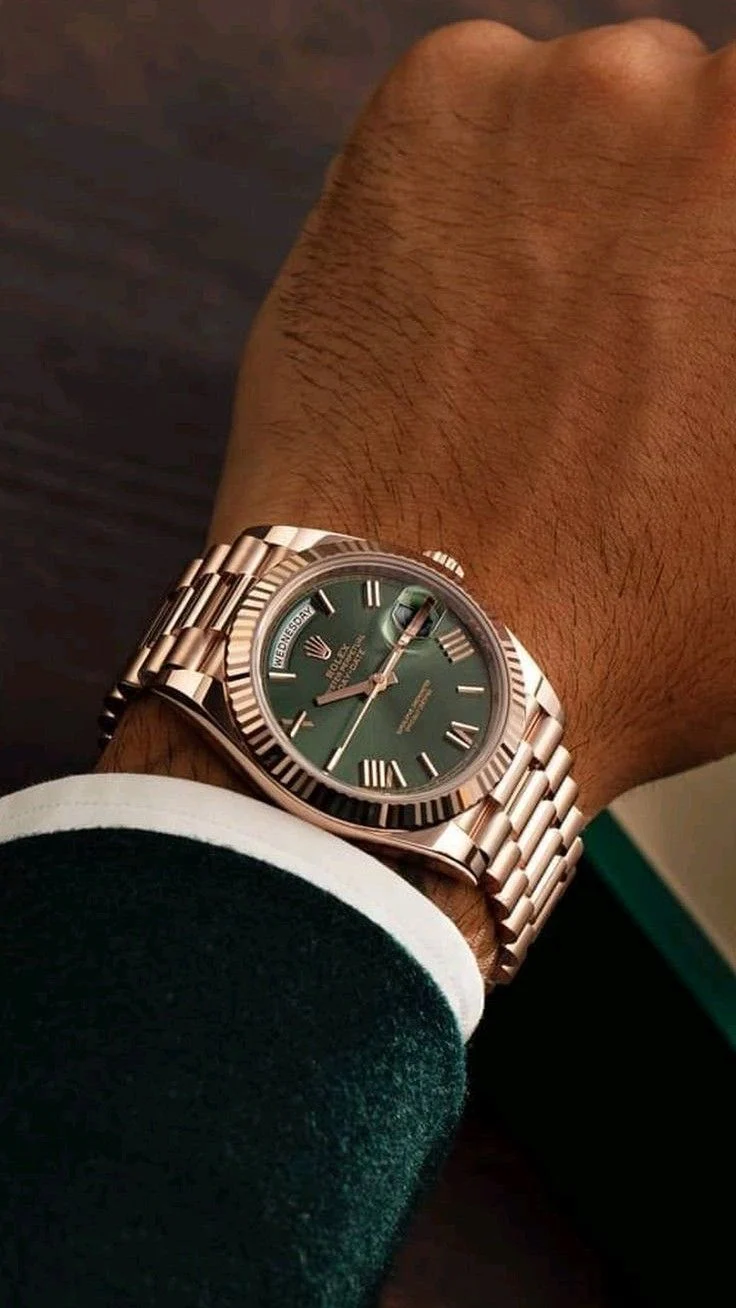
Direct answer: Most Rolex watches do not need batteries — the vast majority are mechanical (automatic or manual) and run on a wound mainspring. Only a small number of Rolex models are quartz and require a battery (notably the discontinued Oysterquartz line and a few vintage quartz pieces).
Detailed explanation
Rolex is best known for its mechanical movements. The brand’s signature automatic movements (often called “Perpetual”) are self-winding: a rotor inside the watch winds the mainspring as you move your wrist, storing energy that powers the watch without any battery. Some Rolex watches are manual-wind mechanical pieces that you wind by hand. Neither automatic nor manual mechanical Rolex models use batteries.
However, Rolex has produced quartz (battery-powered) watches. The most famous example is the Oysterquartz Datejust and Oysterquartz Day-Date, introduced in the late 1970s and produced into the early 2000s. These models use a quartz crystal regulated movement and therefore require a watch battery that typically lasts several years. Apart from the Oysterquartz and a handful of vintage or specialty quartz references, modern mainstream Rolex collections (Submariner, Daytona mechanical, Datejust mechanical, GMT-Master II, Explorer, Sea-Dweller, etc.) are all mechanical and battery-free.
When a Rolex quartz battery does run out, the battery must be replaced. Because Rolex cases are engineered for high water resistance, battery replacement should be done by an authorized Rolex service center or a qualified watchmaker to preserve seals and gaskets and to ensure the crown and caseback are properly reinstalled and pressure-tested.
Key reasons / factors
- Movement type: Whether a Rolex needs a battery depends entirely on the movement—quartz needs batteries; mechanical (automatic/manual) does not.
- Model history: Oysterquartz and some vintage references are quartz; most current Rolex lines are mechanical.
- Accuracy expectations: Quartz generally offers higher short-term accuracy without regulation, while Rolex mechanical movements are designed and regulated for strong mechanical accuracy and longevity.
- Maintenance and service: Mechanical Rolex require periodic servicing (typically every 5–10 years) but no battery swaps; quartz Rolex require battery replacement every few years plus occasional service.
- Water resistance and sealing: Battery changes risk compromising gaskets unless done properly, so professional service is recommended for quartz Rolex.
- Collector and resale factors: Quartz Rolex models are rarer and can be collectible; however, many collectors favor mechanical Rolex for heritage and resale value.
Comparison
| Feature | Mechanical Rolex (Automatic/Manual) | Quartz Rolex (e.g., Oysterquartz) |
|---|---|---|
| Power source | Wound mainspring (self-winding or manual) | Battery-powered (quartz crystal regulation) |
| Battery required? | No | Yes |
| Typical service interval | Every 5–10 years (movement service, gaskets, lubrication) | Battery every ~2–5 years; full service less frequently |
| Accuracy | Very good when regulated; chronometer standards apply | Generally more accurate day-to-day (quartz precision) |
| Examples | Submariner, Datejust (modern), Daytona | Oysterquartz Datejust, vintage quartz models |
Pros and Cons
- Pros of mechanical (battery-free) Rolex:
- Long heritage and craftsmanship; iconic Rolex identity.
- No periodic battery replacements; continuous operation if worn or wound.
- High resale and collector value for many mechanical models.
- Cons of mechanical Rolex:
- Requires periodic servicing to maintain accuracy and longevity.
- May stop if left unworn for extended periods (unless kept on a winder).
- Pros of quartz Rolex:
- Higher short-term accuracy and low maintenance between battery changes.
- Rare models can be collectible in their own right.
- Cons of quartz Rolex:
- Requires battery changes every few years, which must be done carefully to preserve water resistance.
- Less aligned with Rolex’s modern identity as a mechanical watchmaker; fewer contemporary options.
FAQs
1. How can I tell if my Rolex needs a battery?
If your Rolex stops running and it’s not a model with a manual-wind crown winding (or it’s an Oysterquartz/quartz reference), it could be a drained battery. For mechanical watches, a stopped watch usually indicates it needs winding, wear, or servicing rather than a battery. Check your model reference or consult documentation to confirm the movement type.
2. How often does a Rolex battery need replacing?
For quartz Rolex models, batteries typically last between 2 and 5 years depending on movement and usage. Have the battery replaced by an authorized service center or qualified watchmaker to protect water resistance and movement integrity.
3. Can I replace a Rolex battery myself?
It’s not recommended. Opening the case risks damaging gaskets, seals, or the caseback threads and can compromise water resistance. Have battery replacement performed professionally to ensure correct resealing and pressure testing.
4. Are there modern Rolex watches that use batteries?
Today, almost all current Rolex models are mechanical. Rolex discontinued the Oysterquartz line around 2001, so modern collections do not generally include battery-powered watches.
5. Does a mechanical Rolex ever need a battery for auxiliary functions?
No. Traditional mechanical Rolex movements power timekeeping and typical complications (date, GMT, chronograph) via mechanical energy. Some specialized modern watches from other brands use hybrid systems, but Rolex’s mainstream models do not use batteries for auxiliary functions.