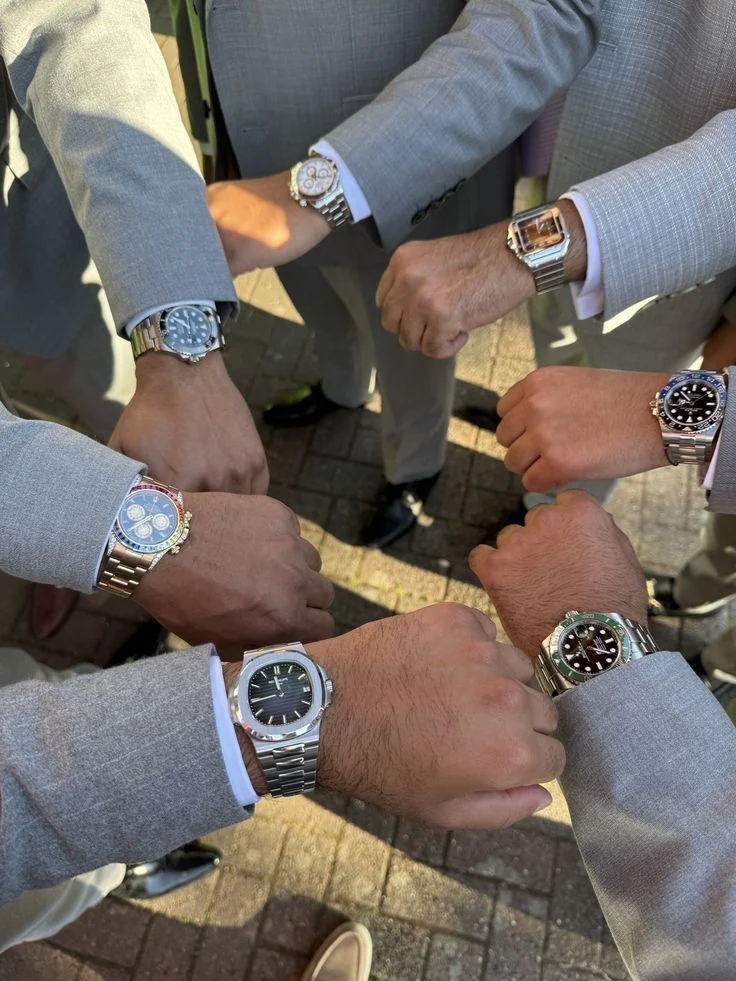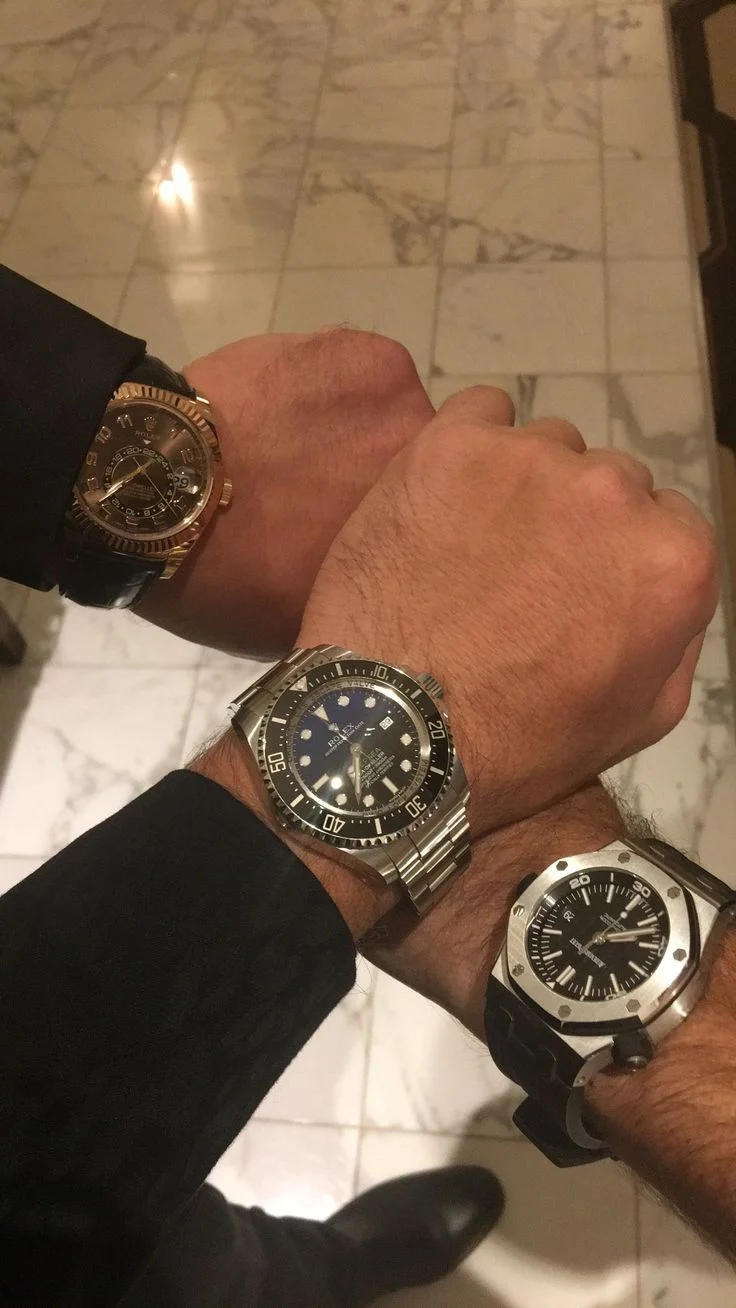
Short answer: For the vast majority of Rolex watches sold today—no, Rolex watches do not have a battery. Rolex’s current mainstream lineup uses mechanical movements (automatic or manual) that are powered by a wound mainspring. A notable historical exception is the Rolex Oysterquartz family (late 1970s–early 2000s), which used quartz movements and required a small watch battery.
Detailed explanation
Rolex is best known for mechanical watchmaking. Most Rolex models—Submariner, Datejust, Day‑Date, GMT‑Master, Explorer, Daytona (mechanical versions), Oyster Perpetual, and others—use automatic movements. An automatic movement is driven by a mainspring that is wound by the motion of a rotor or by hand winding. These movements do not need a battery; instead they store energy in the mainspring and release it through the gear train and escapement to keep time.
In response to the quartz crisis of the 1970s, Rolex developed and produced a small number of in‑house quartz models under the Oysterquartz name. Oysterquartz Datejust and Oysterquartz Day‑Date (and some other limited references) used Rolex quartz calibers and therefore required batteries like any standard quartz watch. Production of Oysterquartz models was limited and ended in the early 2000s; these watches are now niche, collectible pieces rather than part of Rolex’s modern, battery‑free offerings.
Because Rolex focuses on mechanical craftsmanship, the brand emphasizes long service intervals and mechanical reliability instead of battery changes. If you own an Oysterquartz or other quartz Rolex, the battery should be replaced periodically by a qualified watchmaker or an authorized Rolex Service Center to preserve water resistance and prevent battery leakage. For mechanical Rolex watches, routine servicing (typically every 5–10 years depending on use and conditions) is recommended, but not battery replacement.
Key reasons / factors
- Rolex heritage and identity: Rolex is historically a mechanical watchmaker; mechanical calibers are central to the brand’s image and collector appeal.
- Automatic movement design: Most Rolex watches are self‑winding (automatic) and rely on a rotor and mainspring—not a battery—for power.
- Limited quartz production: Rolex made quartz Oysterquartz models in the late 1970s through the early 2000s; these used batteries, but they are exceptions, not the rule.
- Maintenance concerns: Battery replacement requires opening the case, which can compromise seals; authorized service is recommended to maintain waterproofness and warranty.
- Accuracy trade-offs: Quartz (battery) movements are typically more accurate day‑to‑day than mechanical movements, but Rolex prioritizes mechanical prestige and craftsmanship.
- Collectibility: Oysterquartz and other Rolex quartz pieces are rarer and often collectible, which affects how owners manage battery replacements and servicing.
Comparison
| Feature | Rolex Mechanical (Typical modern lineup) | Rolex Quartz (Oysterquartz) |
|---|---|---|
| Battery required? | No | Yes (button cell) |
| Power source | Mainspring (automatic winding) | Battery + quartz oscillator |
| Accuracy | Very good for mechanical (COSC or in‑house tolerances), subject to slight daily variation | Typically more accurate than mechanical day‑to‑day |
| Service / maintenance | Serve every ~5–10 years (cleaning, lubrication, seals) | Battery change every few years; full service periodically; seal checks important on battery change |
| Collectibility / value | High—core to Rolex value proposition | Collectible—rarer, niche market |
Pros and Cons
- Pros of mechanical Rolex (no battery):
- Traditional craftsmanship and prestige.
- Potentially long service life when maintained correctly.
- No periodic battery changes—power is generated by movement or winding.
- High resale and collector demand for mechanical models.
- Cons of mechanical Rolex:
- Generally less accurate than quartz on a per‑day basis.
- Requires periodic servicing, which can be costly.
- Pros of Rolex quartz (Oysterquartz):
- Higher daily accuracy and lower timekeeping drift.
- Often thinner or different case aesthetics in some references.
- Rarer in the market—appeals to certain collectors.
- Cons of Rolex quartz:
- Requires battery replacement every few years; battery changes should be done carefully to protect water resistance.
- Less aligned with Rolex’s dominant mechanical branding.
- Fewer authorized service options historically and parts may be scarcer as models age.
FAQs
Do modern Rolex watches use batteries?
No—modern Rolex watches in the standard collections are mechanical (automatic or manual) and do not use batteries. Only historical quartz models, notably the Oysterquartz family, used batteries.
How often does a Rolex battery need to be changed?
For Rolex quartz models like the Oysterquartz, battery life depends on the movement and usage but is typically every 1–3 years. Always have the battery replaced by an authorized Rolex Service Center or experienced watchmaker to ensure the case remains water‑resistant and to avoid battery leakage.
Can I put a battery in my Rolex Submariner or Datejust?
No—those models are mechanical and are not designed for batteries. Opening a mechanical Rolex to try to fit a battery would damage the movement and make the watch nonfunctional. If you suspect a problem, take it to an authorized service center.
Are Oysterquartz models still serviced by Rolex?
Rolex historically serviced Oysterquartz models, but parts and service availability can vary. Authorized Rolex Service Centers can often service these pieces, but because Oysterquartz models are discontinued, owners may face longer wait times or higher costs for rare parts.
Why did Rolex stop making quartz watches?
Rolex shifted away from quartz to focus on its core competency: mechanical watchmaking. While Rolex produced quartz watches during the quartz crisis, the brand doubled down on mechanical engineering, durability, and the luxury heritage that appeals to collectors and enthusiasts.