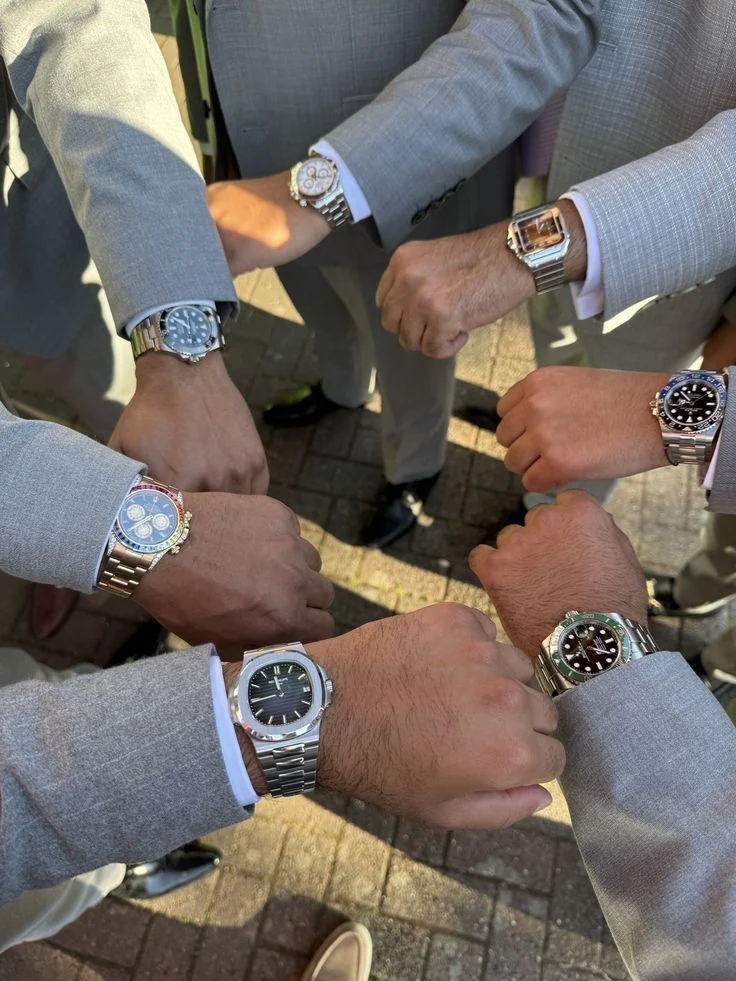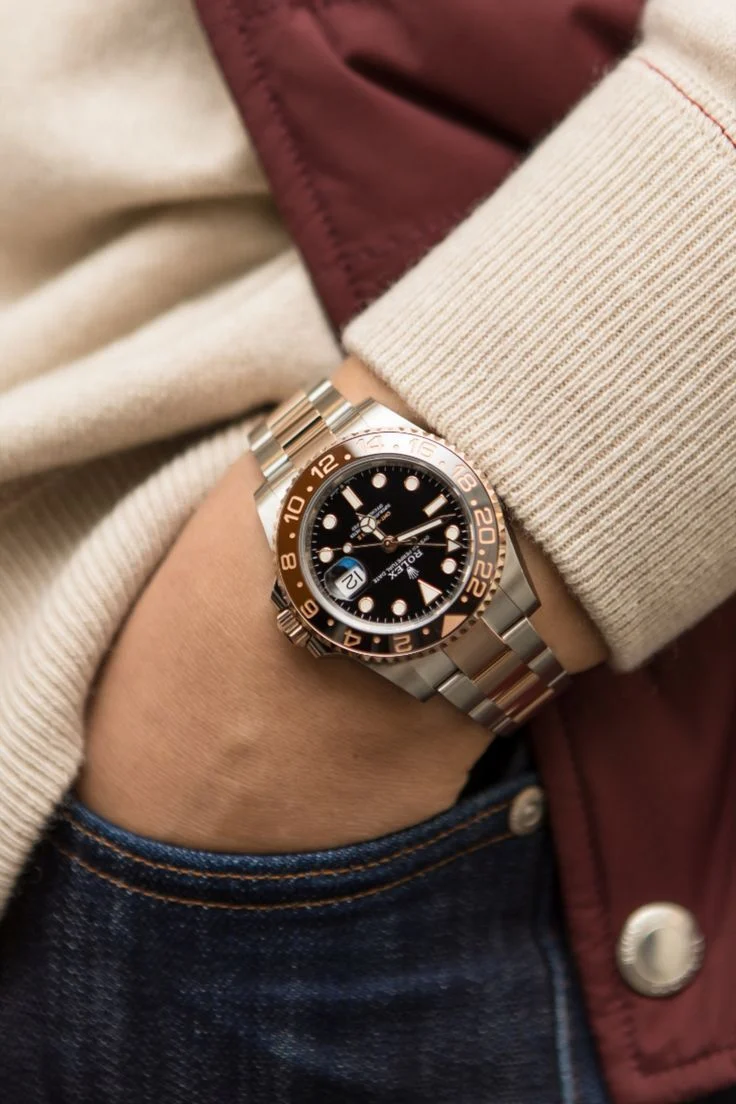
Short answer: Most Rolex watches do not have a battery—modern Rolex timepieces are predominantly mechanical, driven by automatic (self-winding) or manual-wind movements. However, Rolex has produced battery-powered quartz models in the past (notably the Oysterquartz and some Cellini examples), so some vintage or discontinued Rolex watches do contain a battery.
Detailed explanation
Rolex is best known for its mechanical watchmaking. The majority of current Rolex models—such as the Submariner, Datejust, Day-Date, GMT‑Master II, Explorer, and Oyster Perpetual—use automatic movements that are powered by a mainspring and wound by the motion of a rotor inside the case. These watches do not require a battery; they run on stored mechanical energy and a fully wound movement will run for a specific power reserve (commonly 48–70 hours depending on the caliber).
That said, Rolex did respond to the quartz revolution of the 1970s by developing and producing quartz watches. The most famous of these is the Rolex Oysterquartz line, introduced in the late 1970s and produced into the early 2000s. These Oysterquartz models used a battery to drive a high-quality quartz movement. Rolex also offered a handful of quartz models in the Cellini line and other limited productions during that era. Today, Rolex’s regular catalog is almost entirely mechanical, and new battery-powered Rolex watches are no longer part of the mainstream lineup.
How you determine whether a specific Rolex has a battery: inspect the model name (Oysterquartz is a clear indicator), observe the seconds hand (quartz typically ticks once per second while mechanical sweeps smoothly), and consult the reference number or paperwork. For vintage watches, factory service records or an authorized Rolex service center can confirm movement type.
Key reasons / factors
- Movement type: Rolex’s modern identity centers on mechanical calibers (automatic/self-winding or manual) that do not use batteries.
- Historical quartz models: Rolex produced battery-powered models (e.g., Oysterquartz) during the quartz crisis, so some older Rolex watches do contain batteries.
- Seconds-hand motion: Quartz Rolex movements have a one-second tick; mechanical Rolexes have a smoother, multi-beat sweep.
- Service and battery replacement: If you own a vintage Rolex quartz, battery changes should be performed by an experienced watchmaker to maintain water resistance and protect the movement.
- Resale and collectibility: Mechanical Rolex models are generally more sought-after and common in the current market; quartz Rolexes are niche and can be collectible depending on model and condition.
Comparison
| Feature | Rolex Quartz (battery) | Rolex Mechanical (automatic/manual) |
|---|---|---|
| Power source | Battery (electrical) | Mainspring (mechanical energy) |
| Accuracy | Highly accurate (quartz-regulated) | Very good, but typically less accurate than quartz in short term |
| Maintenance | Battery replacement every ~2–4 years + periodic service | Regular servicing every ~5–10 years depending on use |
| Availability | Discontinued in modern catalog (vintage/used market) | Main catalog; widely available new and pre-owned |
| Collectibility | Can be collectible (Oysterquartz is sought-after by some collectors) | Generally very collectible and in high demand |
Pros and Cons
- Pros of Rolex with a battery (quartz):
- Very accurate timekeeping out of the box.
- Less frequent adjustment for daily accuracy.
- Potentially lower short-term maintenance costs (no regular winding).
- Cons of Rolex with a battery (quartz):
- Battery changes are required (typically every 2–4 years) and should be done carefully to maintain water resistance.
- Quartz Rolex models are discontinued—finding parts or authorized service may be more complicated.
- Less traditional mechanical craftsmanship appeal for many collectors.
- Pros of mechanical Rolex (automatic/manual):
- Classic watchmaking craftsmanship and appeal.
- No battery—powered by the mainspring and wearer’s movement.
- High resale value and strong collector demand for many models.
- Cons of mechanical Rolex:
- Requires periodic servicing and regulation.
- Less inherently precise than quartz in absolute seconds-per-day terms without regulation.
FAQs
How can I tell if my Rolex has a battery?
Look for model markings like “Oysterquartz,” check the seconds hand (a quartz Rolex will tick once per second; mechanical Rolexes have a smooth multi-beat sweep), or have an authorized watchmaker open the case to inspect the movement. Reference numbers and paperwork can also identify the movement type.
Does Rolex still make battery-powered watches?
No—Rolex’s current catalog is essentially all mechanical. Battery-powered Rolex watches were produced historically (notably the Oysterquartz), but Rolex stopped mainstream quartz production decades ago.
How long does a Rolex battery last if it has one?
Typical battery life for vintage Rolex quartz movements is roughly 2–4 years depending on the movement and features. Battery replacement should be done by a qualified professional to preserve seals and water resistance.
Can I replace the battery myself?
It’s not recommended. Opening a Rolex case and replacing a battery can compromise water resistance and risk damage. Use an authorized Rolex service center or reputable watchmaker experienced with Rolex quartz models.
Do quartz Rolex watches hold value?
Some discontinued models like certain Oysterquartz references have become collectible and can hold or appreciate in value, but mechanical Rolex models typically dominate demand and overall resale strength.