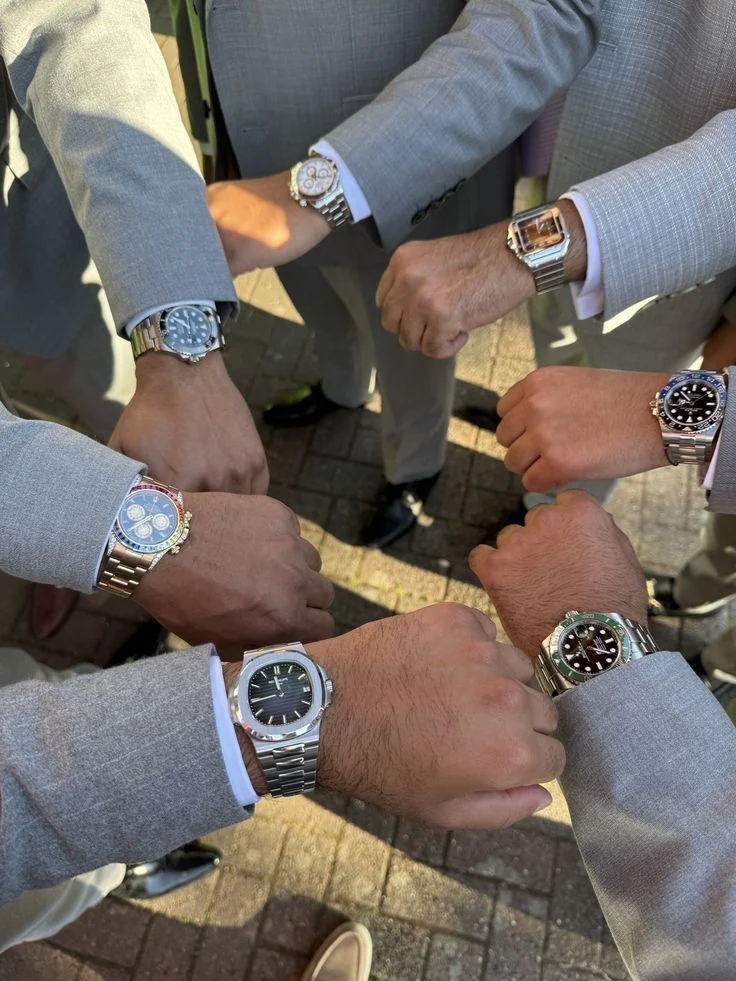
Direct answer: Rolexes are made through a highly controlled, vertically integrated process that combines in-house design, proprietary metallurgy, precision CNC machining, expert hand-finishing and assembly, and rigorous testing (including chronometer and waterproof tests). From raw metal to finished Rolex watch, most components are produced within Rolex facilities and assembled by skilled technicians, then subject to strict quality control before leaving the factory.
Detailed explanation
Understanding how Rolex watches are made requires looking at the full production chain. Rolex practices vertical integration: the company designs and manufactures the majority of parts — cases, bracelets, movements, dials, bezels and even many of the specialty alloys — at its Swiss sites. The process begins with research and design, followed by material selection and metallurgical work (Rolex is known for its own steel and gold alloys such as Oystersteel and Everose gold). Precision machining using state-of-the-art CNC machines produces components to micron tolerances. More delicate parts, like balance wheels and escapements, are finished and adjusted by watchmakers with decades of experience.
Movements are developed in-house as complete calibres, featuring Rolex’s proprietary technologies such as high-performance hairsprings and efficient escapements. Each movement goes through assembly, regulation and quality testing — typically starting as a COSC-certified chronometer movement (where applicable) and then undergoing Rolex’s internal “Superlative Chronometer” testing after being cased, which tightens accuracy to around -2/+2 seconds per day.
Once mechanical components are completed, the aesthetic elements are added. Dials are printed, applied indices attached, hands finished and, where required, gemstones set by hand. Cases and bracelets are polished or satin-brushed depending on the model’s finish. Rolex also performs strict waterproofing procedures — including pressure testing and condensation tests — to ensure each watch meets the brand’s standards (e.g., Oyster case water resistance). Finally, every finished Rolex undergoes final inspection and functional testing before being serialized, packed and shipped.
Key reasons / factors
- Vertical integration: Rolex manufactures most components in-house, reducing reliance on outside suppliers and ensuring consistent quality.
- Proprietary materials: Use of special alloys (e.g., Oystersteel, Everose, white and yellow gold formulations) and unique components like Parachrom hairsprings.
- Precision machining and tooling: CNC milling, EDM and micro-machining for parts produced to micron tolerances.
- Hand finishing and assembly: Skilled watchmakers perform regulation, finishing and complex assembly tasks that machines cannot replicate.
- Rigorous testing: Chronometry, water resistance, power reserve and shock tests ensure reliability under real-world conditions.
- Quality control and traceability: Serial numbers, component tracking and final inspections maintain consistency across production.
- Design and R&D: Continuous innovation in movement architecture, materials science and manufacturing processes.
Comparison
How Rolexes are made compared to other types of watches highlights different philosophies. Compared with mass-market quartz watches (e.g., many fashion or entry-level brands), Rolex emphasizes mechanical engineering, in-house components and hand assembly, resulting in higher production cost and longer build time. Compared with other high-end Swiss manufacturers, Rolex is distinctive for its extreme vertical integration and high-volume consistency: many haute horlogerie brands focus on small-batch, artisanal finishing and complication-centric pieces, while Rolex standardizes robust movements and production to achieve both precision and scale. Compared to brands that source parts widely, Rolex’s in-house approach yields greater control over metallurgy, tolerances and long-term serviceability.
Pros and Cons
- Pros:
- Exceptional durability and waterproofing (Oyster case legacy).
- High accuracy and robust, proven movements.
- Strong resale value and brand recognition.
- Consistent quality control and reliable after-sales service worldwide.
- Cons:
- High initial cost due to materials, manufacturing and brand premium.
- Service and maintenance can be expensive outside warranty.
- Limited visible customization from factory — most models are standardized.
- Long wait times for popular models due to production allocation and demand.
FAQs
How long does it take to make a Rolex?
There’s no single answer because it depends on the model and complexity. A standard sports model may require weeks from component production to final assembly and testing; more specialized or gem-set dials add time. Rolex’s vertically integrated production and in-house testing extend lead times compared to mass-market watches but ensure rigorous quality.
Are Rolex movements made in-house?
Yes. Rolex designs and manufactures most of its movements within its own factories. These calibres include proprietary components and technologies developed by Rolex, ensuring tight control over performance, reliability and servicing.
Why are Rolex watches so expensive?
Rolex’s pricing reflects its materials (high-grade steel and gold), in-house manufacturing, sophisticated R&D, skilled labor for assembly and finishing, rigorous testing, global service network and strong market demand. Vertical integration and quality control add to production costs, which are passed to the customer.
Does Rolex machine everything with robots?
No. While Rolex uses advanced CNC machines and automation for high-precision parts, many critical tasks remain manual: movement regulation, hand-fitting, dial finishing, gem-setting and final polishing are performed by trained craftsmen to achieve the brand’s standards.
How does Rolex test water resistance?
Rolex uses multiple methods: pressure testing in specialized chambers to confirm resistance ratings, condensation tests to detect leaks, and checks of gaskets and seals. The Oyster case, screw-down crown and caseback designs are central to achieving the stated water-resistance levels.