Short answer: You know a Rolex is real by checking a combination of physical details (weight, finishing, dial printing, cyclops date magnification, micro-etched crown at 6 o’clock, bracelet and clasp markings), movement quality (smooth sweep, factory movement details visible to a watchmaker), correct serial/reference numbers and documentation, and—when in doubt—having an experienced watchmaker or authorized dealer open and inspect the movement. No single check is definitive; authentication is based on several consistent signals.
Detailed explanation
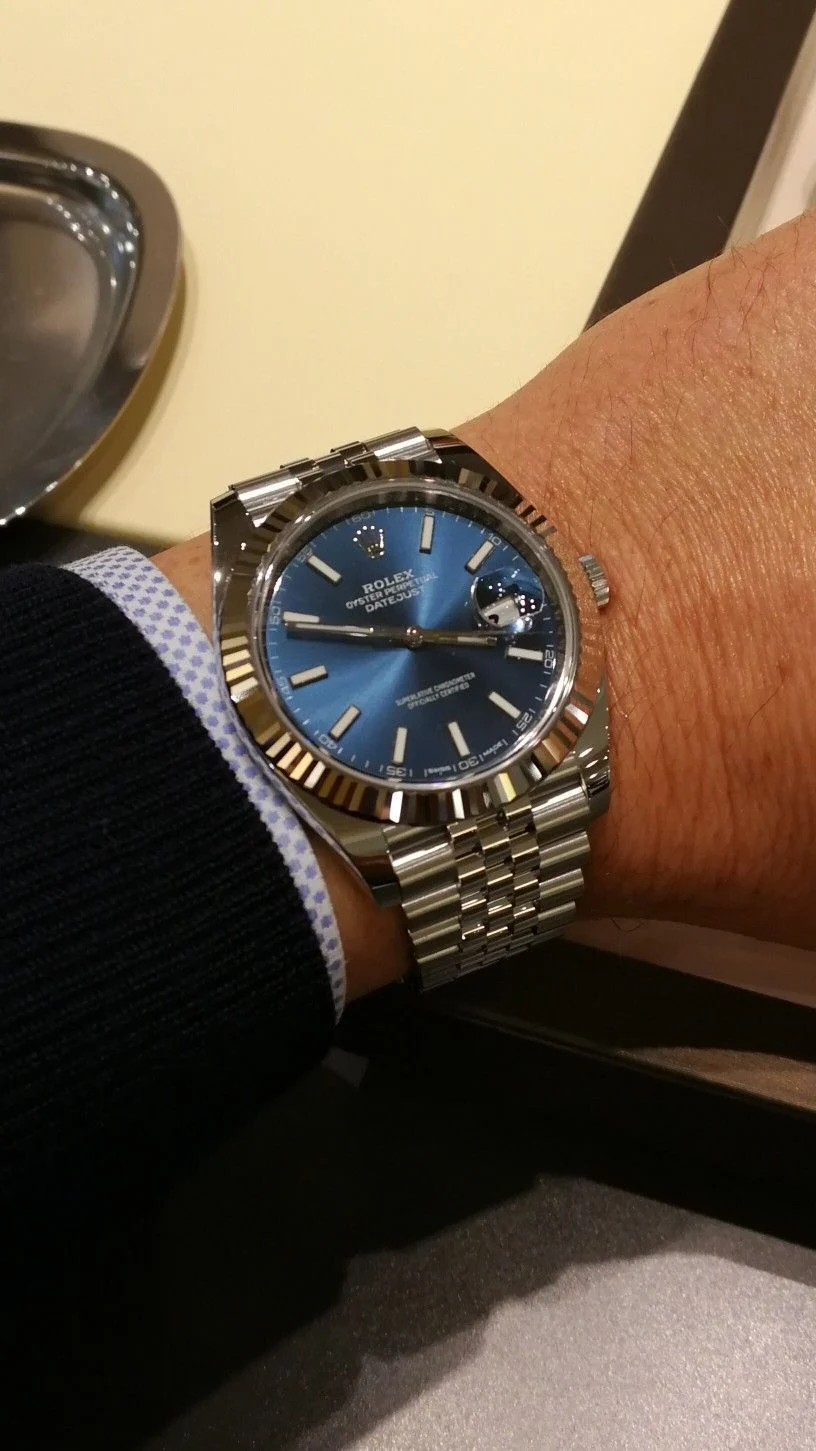
Rolex counterfeiters range from crude replicas to highly sophisticated fakes; therefore, a layered approach is best. Start with obvious external cues: Rolex uses high-quality materials, precise machining, and consistent finishing. Real Rolex watches feel substantial for their size, have smooth polishing and brushing transitions, perfectly aligned text and markers, and finely detailed crowns and bezels. The date magnifier (cyclops) usually magnifies 2.5x on modern models and centers perfectly over the date. The seconds hand of a genuine automatic Rolex appears to sweep smoothly thanks to a high-beat movement (often 28,800 bph or similar), whereas cheap quartz or poor automatics may tick or stutter.
Beyond looks and feel, internal verification is decisive. A certified watchmaker can open the caseback to inspect the movement: genuine Rolex calibers have specific finishing, engraving, rotor design, and component layout. Serial and model numbers engraved between the lugs (and on the rehaut for modern pieces) should match paperwork and show the correct engraving depth and font. Paperwork and provenance (original box, warranty card, service records) add confidence but can also be forged—so treat documentation as supportive, not conclusive.
Key reasons / factors
- Weight and materials: Rolex uses 904L / 904L-equivalent stainless steel, solid gold, or platinum which gives a distinct heft and feel.
- Dial and printing quality: Crisp fonts, perfectly applied hour markers, no smudging, aligned luminous plots.
- Cyclops magnification: Genuine Rolex typically magnifies the date ~2.5x and centers it precisely under the magnifier.
- Micro-etched crown at 6 o’clock: Modern Rolex dials (post-2002/2003) have a tiny etched crown in the crystal at 6; visible with loupe or magnification.
- Sweep of the seconds hand: Smooth sweep due to Rolex automatic movement; not a jagged tick like quartz fakes.
- Rehaut engraving and serial numbers: Recent models have serial/model and Rolex engraving on the inner bezel; font and placement must match Rolex standards.
- Caseback design: Most modern Rolex casebacks are plain; engraved exhibition backs are a red flag unless the model is historically known for one.
- Bracelet and clasp quality: Solid end links, precise clasp code, correct stamped logos, and tight tolerances distinguish a real Rolex bracelet.
- Movement inspection: Only a qualified watchmaker can confirm the caliber, finishing, and authenticity of the movement.
- Documentation and provenance: Original warranty card, receipts, and service history increase confidence; verify serials against paperwork.
Comparison
| Feature | Genuine Rolex | Typical Fake |
|---|---|---|
| Weight | Substantial, dense metals | Often lighter, low-grade materials |
| Dial printing | Crisp, perfectly aligned | Smudged or slightly off-center fonts |
| Cyclops | 2.5x magnification, centered | Weak magnification or misaligned |
| Seconds hand | Smooth sweep (automatic) | Ticking or jerky movement |
| Caseback | Plain, high-quality finishing | Clear or engraved back on models that shouldn’t have it |
| Movement | Rolex in-house caliber, fine finishing | Generic movement, poor finishing |
Pros and Cons
- Pros of authenticating a Rolex:
- Protects resale value and investment
- Ensures reliability and correct servicing
- Preserves legal and ethical ownership
- Cons / challenges:
- High-quality fakes are increasingly convincing—requires expert inspection
- Opening the caseback may be needed for definitive proof, which demands a watchmaker and cost
- Documentation can be forged; visual inspection alone may not be enough
FAQs
How accurate is the seconds hand sweep as a test for a real Rolex?
The sweep is a useful initial test: genuine Rolex automatics produce a smooth, fluid motion thanks to their high-frequency movement. However, some high-grade fakes use Asian automatic movements that also sweep relatively smoothly. Use this test alongside other checks like movement inspection and serial verification.
Can serial numbers prove a Rolex is genuine?
Serial and model numbers are strong indicators when they match Rolex records and paperwork and have the correct depth, font, and placement. But counterfeiters can replicate numbers and create forged papers, so serial checks should be combined with physical inspection and, if possible, verification through an authorized dealer or reputable watchmaker.
Is the micro-etched crown at 6 o’clock always present on real Rolexes?
Most Rolex watches produced after the early 2000s have a tiny laser-etched crown on the crystal at the 6 o’clock position. It’s tiny and may require magnification to see. Absence of the etch on a modern Rolex is suspicious, but its presence alone does not guarantee authenticity since some fakes attempt to replicate it.
Should I buy a Rolex only from an authorized dealer?
Buying from an authorized dealer offers the highest assurance of authenticity, factory warranty, and correct paperwork. Reputable secondary-market sellers and certified pre-owned dealers can also be safe, but always verify provenance, request service history, and consider an independent inspection before purchase.
What’s the most reliable method to confirm a Rolex is real?
The most reliable method is a full inspection by a trusted watchmaker or an authorized Rolex service center who can open the caseback and verify the movement, check serials, and pressure-test the watch. Combining this with documentation checks and visual verification gives near-conclusive authentication.