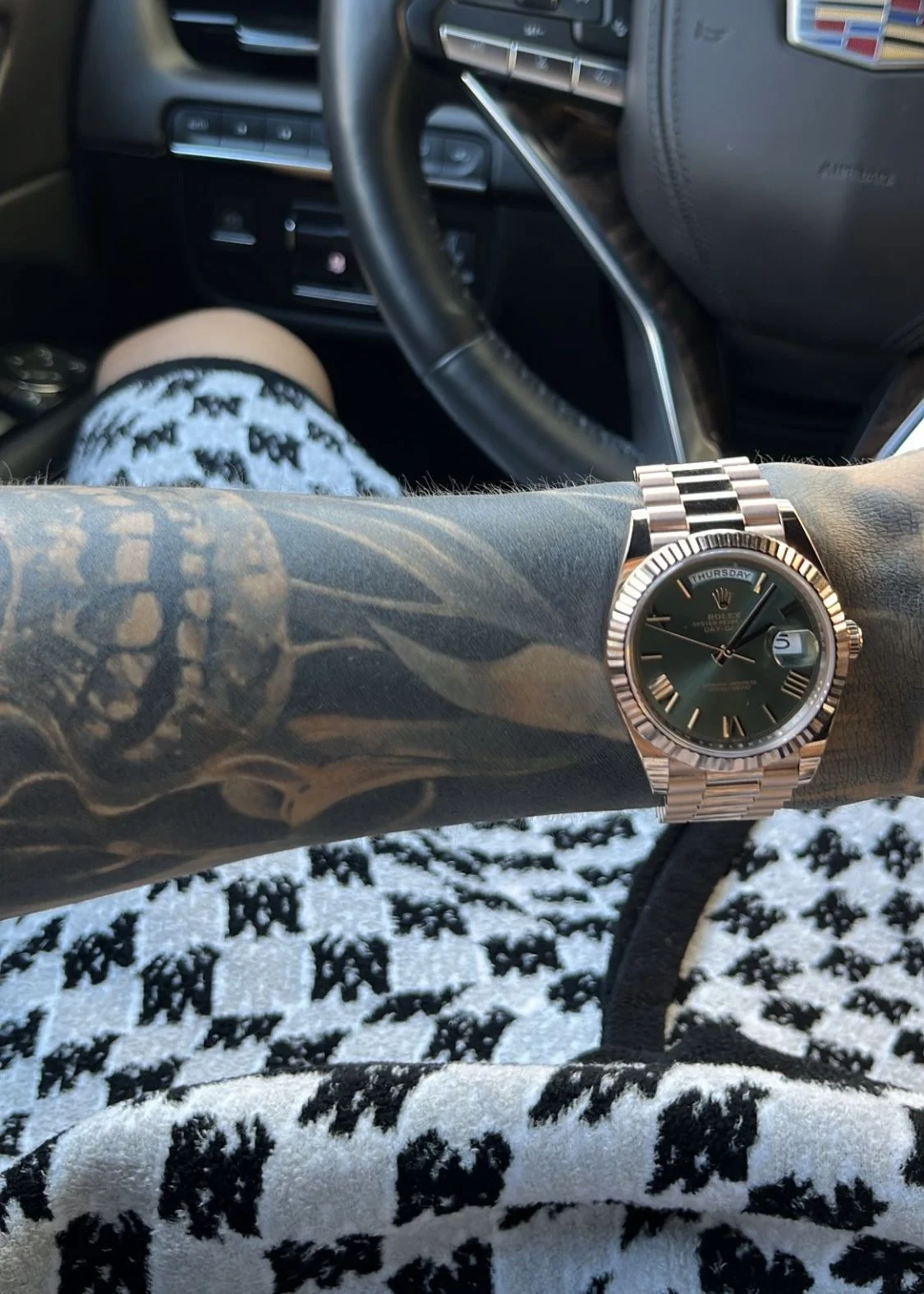
Short answer: To set the time on most Rolex watches, unscrew the crown, pull it out to the time-setting position (usually the second click), rotate the crown to move the hands to the correct time, push the crown back in, and screw it down to restore water resistance. For models with a quickset date or independent hour hand (GMT/Calibre variations) follow model-specific steps and avoid changing the date when the movement is in the date-change window (typically between 8pm and 4am).
Detailed explanation
Rolex watches are primarily automatic mechanical watches with a screw-down crown on most models. Setting the time safely and correctly preserves accuracy and water resistance. Below is a step-by-step guide that covers the typical Rolex Oyster Perpetual, Submariner, Datejust, GMT-Master II and Day-Date behaviours.
- Prepare the watch: If the watch has stopped, wind it first. Unscrew the crown counterclockwise until it pops free (the crown is now in the winding position).
- Hand-wind if needed: In the first (unscrewed) position, turn the crown clockwise about 20–40 full turns to build up power reserve. This avoids jumping or slow behaviour when you set the time.
- Pull to the date-setting position (models with quickset date): For Datejust/Day-Date most Rolex movements have a first click that allows quick date change. Pull the crown gently to the first click to adjust the date by turning the crown one way. If your model uses a different change direction check your manual.
- Pull to the time-setting (hacking) position: Pull the crown out to the second click (or third on some models) to stop the seconds hand—this is called hacking and allows precise time setting.
- Set the time: Rotate the crown to move the hour and minute hands to the correct time. Move the hands forward rather than backward if possible to reduce stress on the movement, especially if you’re unsure of the internal mechanism.
- Pay attention to AM/PM and date-change window: If your watch has a date, ensure you set the time to the correct 12-hour period by advancing the hands past midnight to observe the date change. Do not change the date manually between roughly 8pm and 4am when the date-change mechanism is engaged.
- Re-seat the crown: Push the crown back in to its normal position (you should hear/feel the click) and screw it down clockwise firmly while pressing in to restore waterproofness.
Special case — GMT/independent hour hand: Many modern Rolex GMT-Master II and some other models allow independent hour-hand adjustment. With the crown in the quickset hour position (one click out), you can advance the local hour without stopping the seconds or affecting the 24-hour GMT hand. Consult your model manual for the exact crown clicks and directions.
Key reasons / factors
- Crown type: Screw-down crowns must be unscrewed before use and screwed down after to maintain water resistance.
- Movement type: Most Rolex movements hack (stop seconds) and have quickset date functions; older calibres may behave differently.
- Model-specific features: GMT complication, Day-Date mechanism, or no-date models change the procedure (independent hour hand, day wheel).
- Date-change window: Avoid manual date changes during the engagement window (approx. 8pm–4am) to prevent damage.
- Power reserve: If the watch stopped, wind before setting time to ensure accurate operation.
- Water resistance: Failing to screw the crown down properly can compromise the watch and void service expectations.
Comparison
Setting time on a Rolex vs other watches:
- Rolex (screw-down crown, mechanical): requires unscrewing, possibly multiple crown positions (winding, date quickset, time/hacking). Most Rolexes have robust hacking seconds and quickset features making precise setting easier.
- Generic automatic watches: Similar steps but crown may not screw down or the watch may not have quickset or hacking, so you might need to advance hands repeatedly to change date.
- Quartz watches: Simpler — push crown to one position and set time; no winding. But quartz often lacks screw-down crowns and robust waterproof seals found on Rolex divers.
- GMT/complex Rolex models: More advanced setting options (independent hour hand) compared with single-time-zone watches, so may require an extra crown click or specific sequence.
Pros and Cons
- Pros of setting yourself: Immediate control, no service delay, saves money, simple once you learn the crown positions.
- Cons of setting yourself: Risk of damaging the date mechanism if you change date in the forbidden window, potential to forget screwing crown down and compromise water resistance, confusion with GMT or vintage models.
- When to seek help: If the crown feels gritty, does not screw down, the hands do not move smoothly, or you suspect internal damage—send it to an authorized Rolex service center.
FAQs
Can I set the date at any time on my Rolex?
No — avoid changing the date manually between approximately 8pm and 4am because the date-change mechanism is engaged and manually forcing it can damage gears. If unsure, move the hands outside that window first (advance to 6am/9am), then set the date and time.
How many turns do I need to wind a Rolex?
Typically 20–40 full clockwise turns when the crown is in the winding position will give the movement enough reserve. Modern Rolex movements have about 48–70 hours of power reserve depending on the calibre, so daily wear usually keeps it wound.
What does “hacking” mean and why is it useful?
Hacking stops the seconds hand when the crown is in the time-setting position, allowing you to set the time precisely to a reference (e.g., atomic time). Most modern Rolex movements hack, enabling exact synchronization.
Can I set the time while wearing the watch?
Yes, you can set the time while wearing it, but it’s easier and safer to remove the watch to avoid putting stress on the crown stem or accidentally knocking the case. Always ensure the crown is fully screwed down afterward.
What if my Rolex crown won’t unscrew or feels stuck?
Do not force it. A stuck crown can indicate dirt, a damaged thread, or internal issues. Take the watch to an authorized Rolex dealer or service center to avoid further damage.