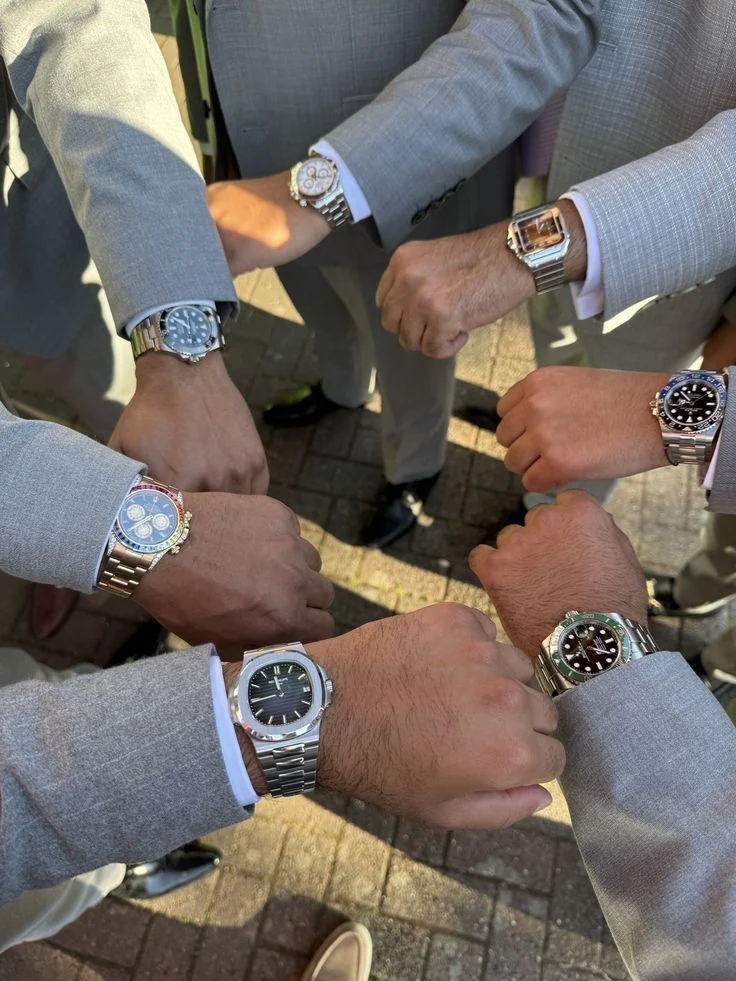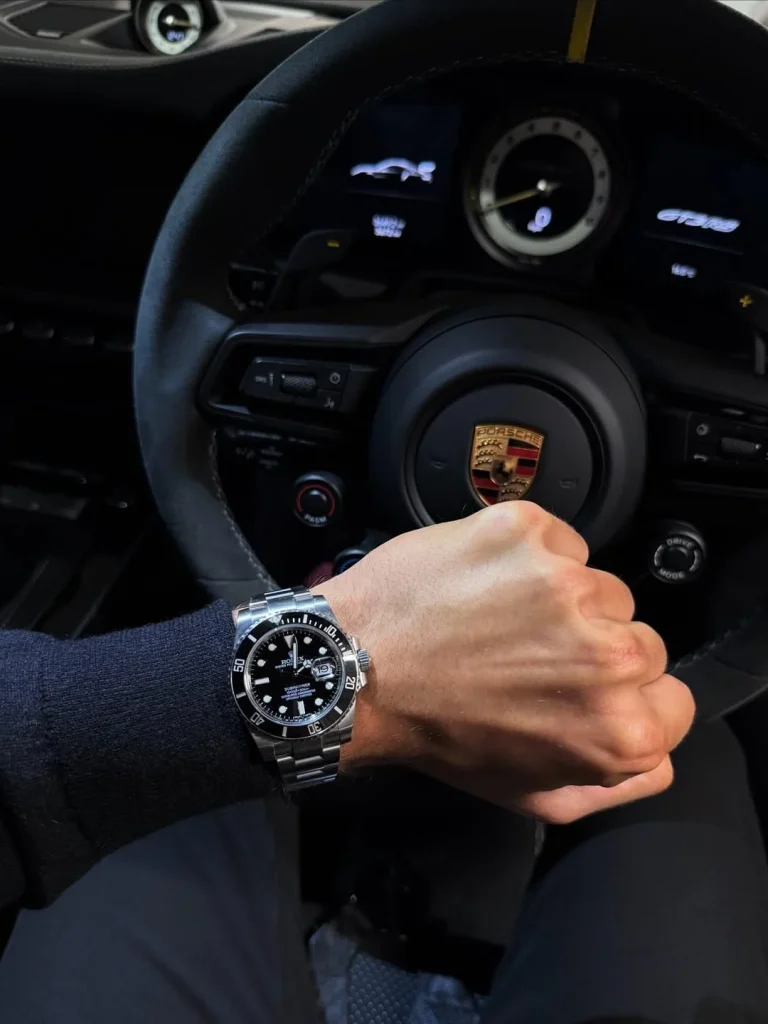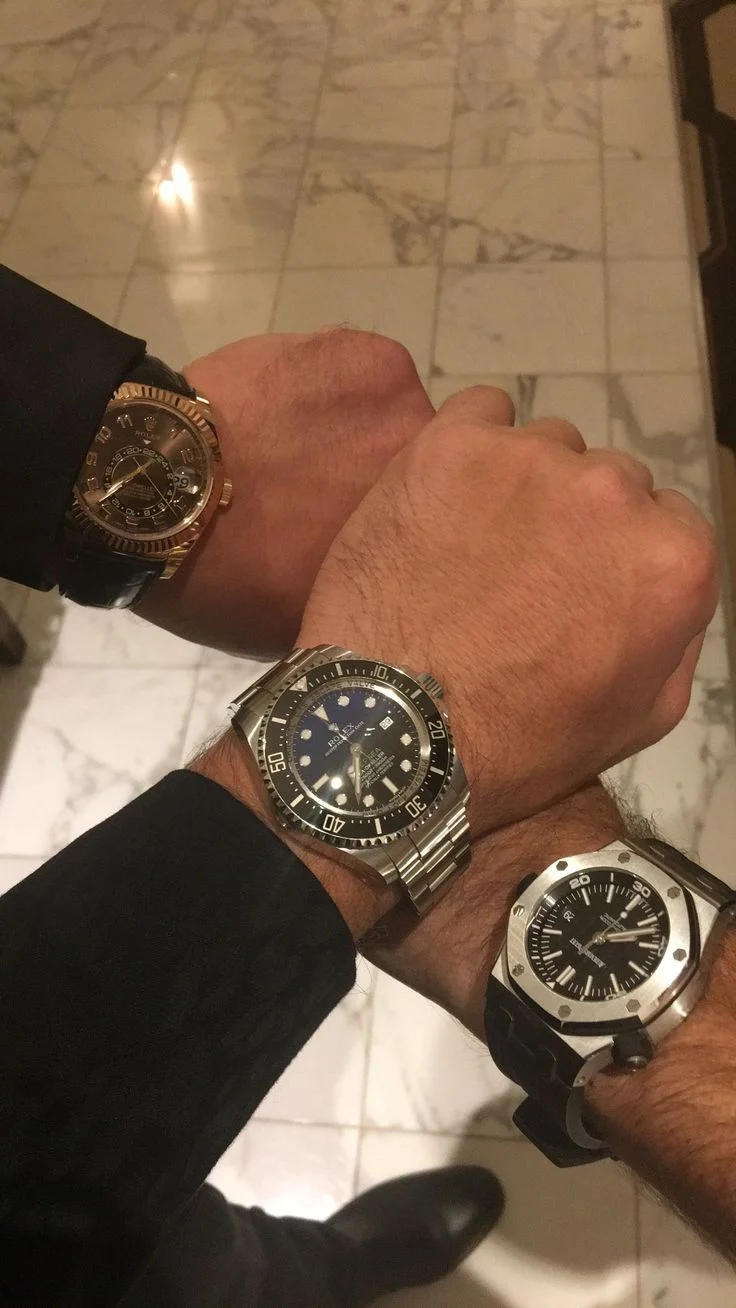
Short answer: Rolex watches typically range from about $6,000 for the most affordable new models to well over $100,000 for high-end, precious-metal, vintage or highly sought-after pieces. Most buyers encounter prices between $6,000 and $40,000 depending on model, material, and whether buying new from an authorized dealer or on the secondary market.
Detailed explanation
When people ask “how much are Rolexs” or “how much is a Rolex,” the answer depends on several variables: model, materials, market demand, condition, and where you buy. Rolex lists Manufacturer Suggested Retail Prices (MSRPs) for new watches sold by authorized dealers, but in practice many popular models trade above MSRP on the secondary market because demand exceeds supply. Entry-level stainless steel models like some Oyster Perpetual or Explorer references often have MSRPs in the low thousands (commonly around $6,000–$8,000), yet popular sports models such as the Submariner or GMT-Master II can sell for substantially more than MSRP when new supply is limited.
Higher-end Rolexes—solid gold, two-tone (Rolesor), and platinum models such as the Day-Date or certain Yacht-Master and Sky-Dweller configurations—have MSRPs that start in the tens of thousands and can escalate quickly based on dial, bezel, and gem settings. Iconic chronographs like the Daytona, especially vintage or limited-run pieces, regularly reach six-figure sums at auction. Rare vintage models with provenance or unique dials can also sell for hundreds of thousands to millions.
There are three common buying channels: authorized dealers (ADs), private sellers/pre-owned dealers, and auctions. Each channel affects price: ADs will normally sell at MSRP but may have waitlists; secondary market dealers and private sellers price according to current demand and availability; auctions set prices through bidding, which can spike for rare pieces.
Key reasons / factors
- Model and collection: Submariner, GMT-Master II, Daytona, Datejust, Day-Date, Oyster Perpetual, Explorer, Sea-Dweller—all have different base prices.
- Materials: Stainless steel is least expensive; two-tone (steel + gold) and full gold or platinum raise prices significantly; gem-set bezels add premium.
- Condition and age: New, unworn, mint pre-owned, or worn/vintage—condition drives value.
- Rarity and demand: Discontinued references, limited dials, or sought-after colors (e.g., “Hulk” Submariner, Pepsi GMT) command premiums.
- Box and papers / provenance: Complete set or documented ownership history increases resale value.
- Market dynamics: Supply constraints, waitlists, economic cycles, and collectible trends influence pricing.
- Servicing and authenticity: Service history from Rolex and verified authenticity protect value but add cost.
Comparison
Below is a general comparison of Rolex price ranges by model category (USD). These are approximate and vary with market conditions, reference, year, and condition.
| Model / Category | New MSRP (approx.) | Typical Secondary Market |
|---|---|---|
| Entry-level (Oyster Perpetual, Air-King) | $5,000–$9,000 | $5,000–$12,000 |
| Classic Datejust / Explorer | $8,000–$12,000 | $8,000–$18,000 |
| Sports steel (Submariner, GMT-Master II) | $9,000–$14,000 | $12,000–$40,000+ |
| Two-tone / Gold (Rolesor, Day-Date) | $14,000–$40,000 | $15,000–$60,000+ |
| Professional complications (Sky-Dweller, Yacht-Master) | $14,000–$50,000 | $15,000–$80,000+ |
| Chronographs & rare/vintage (Daytona, collectible vintage) | $14,000–$40,000 (modern) | $30,000 to several million (vintage/rare) |
Comparatively, Rolex tends to hold value better than many luxury brands; brands like Omega or Tudor offer lower entry points (Tudor being Rolex’s sister brand with lower prices), while Patek Philippe and Audemars Piguet generally start at higher price tiers and often command even stronger collector premiums.
Pros and Cons
- Pros: Strong resale value, excellent build quality, iconic designs, widespread service network, brand recognition and prestige.
- Cons: High initial cost for popular models, long waitlists at ADs, premiums over MSRP on the secondary market, notable servicing costs, risk of counterfeits if buying from unreliable sellers.
FAQs
1. Are Rolex prices negotiable?
At authorized dealers, new Rolex watches are usually sold at or near MSRP with limited negotiation; accessories or pre-owned trade-ins may be negotiable. On the secondary market, prices are typically negotiable depending on seller urgency and market demand.
2. Is it better to buy a new Rolex or pre-owned?
Buying new from an authorized dealer guarantees authenticity and warranty but may involve waitlists. Pre-owned can offer immediate access to discontinued models and sometimes better value, though you should verify condition, service history, and authenticity through reputable dealers.
3. Why do some Rolexs cost so much more than others?
Materials (gold, platinum), complications (chronograph, annual calendar), rarity, and collector demand drive higher prices. Some references are discontinued or limited, making them more valuable to collectors.
4. How much does a Rolex service cost?
Service costs vary by model and region; expect several hundred to a few thousand dollars for a full Rolex service. Regular servicing keeps the watch running reliably and preserves resale value.
5. Can Rolex watches be a good investment?
Many Rolex models retain value better than typical luxury goods and some appreciate significantly. However, not every Rolex will increase in value—buying what you love rather than purely for investment is the safest approach.