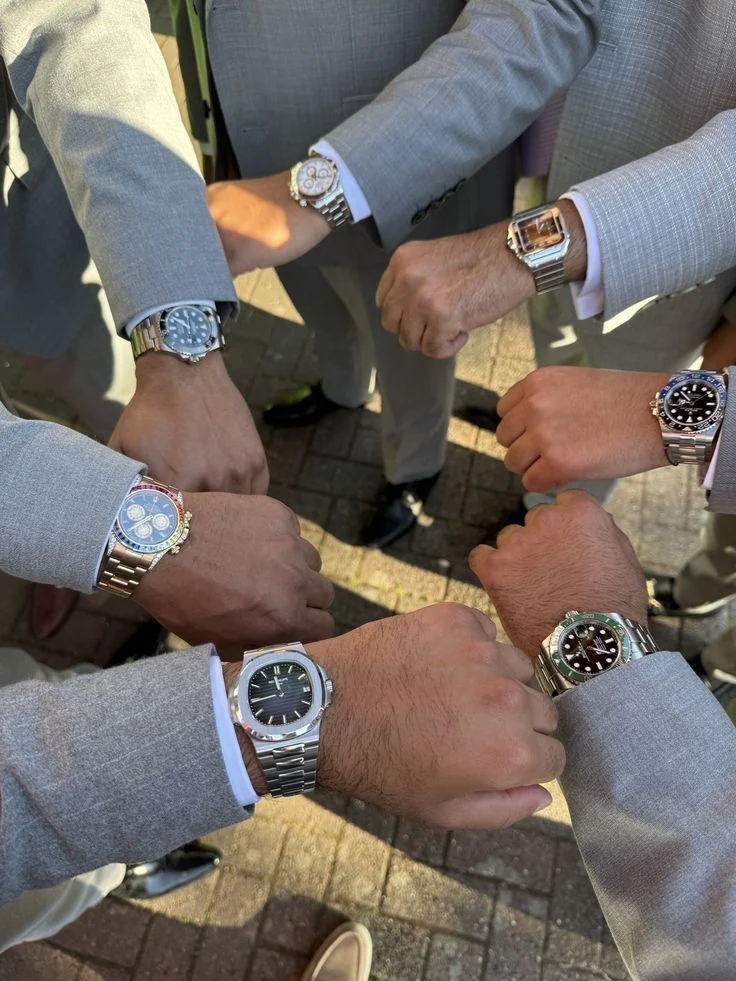
Short answer: A typical new Rolex today generally costs between $6,000 and $15,000 at retail for many steel models, while popular sports models and precious-metal versions commonly range from $10,000 to $50,000+ on the retail and secondary markets. Pre-owned and vintage Rolex prices can be lower or far higher depending on model, condition, rarity and provenance.
Detailed explanation
When people ask “how much does a typical Rolex cost” they usually mean the price for a mainstream model a buyer might expect to see on offer—think Oyster Perpetual, Datejust, Submariner, GMT-Master II or Explorer. Retail price lists (the Manufacturer’s Suggested Retail Price or MSRP) for Rolex change periodically and vary by market, but a realistic picture for most buyers in recent years is:
- Entry-level steel models: roughly $6,000–$8,500 (Oyster Perpetual, some Datejust configurations).
- Popular sports steel models: roughly $8,500–15,000 at retail (Submariner, Explorer, GMT-Master II), with secondary-market premiums often pushing prices higher.
- Steel & gold (Rolesor) and precious-metal models: typically $12,000–50,000+ depending on gold content, size and complications.
- High-complication or gem-set models: these can exceed $50,000–100,000+ easily.
However, the secondary market (gray market, authorized dealer waiting lists, pre-owned dealers, auction houses) often changes the effective price a buyer pays. For many high-demand sports models—stainless Submariner or stainless Daytona—market prices have been substantially above MSRP for years due to limited supply and strong demand. Conversely, some less in-demand sizes or configurations may sell close to or below original retail on the pre-owned market.
Key reasons / factors
- Model and complication: simple three-hand models cost less than chronographs, GMTs or watches with extra complications.
- Materials: stainless steel is the most affordable; two-tone (steel + gold) and full gold (yellow, white or Everose) increase cost significantly; gem-set pieces are premium priced.
- Market demand and scarcity: popular sports models frequently trade at premiums due to waiting lists and limited supply.
- Condition and provenance: new with box/papers commands more; well-documented vintage pieces can command high collector prices.
- Country, taxes and duties: MSRP differs by country; taxes and import duties can add substantially to the final retail price.
- Distribution and dealer practices: authorized dealer allocation, waiting lists, and promotions affect availability and street pricing.
- Secondary market dynamics: pre-owned marketplaces, auctions and grey dealers set prices that often deviate from retail, up or down.
Comparison
How does a typical Rolex price compare to other brands and buying options?
| Category | Typical price range (approx.) |
|---|---|
| Entry-level Rolex (new, steel) | $6,000–$8,500 |
| Popular sports Rolex (new, steel) | $8,500–$15,000 (often higher on secondary market) |
| Rolex precious metal / two-tone | $12,000–$50,000+ |
| Tudor (sister brand) | $2,000–$6,000 (lower-cost alternative) |
| Omega / Breitling / similar luxury | $3,000–$8,000 (varies by model) |
| Patek Philippe / Audemars Piguet | $20,000–100,000+ (higher-end collectors’ market) |
In short, Rolex sits above many mainstream Swiss brands in price and resale strength, but below or overlapping with the entry-level offerings of ultra-high-end makers like Patek Philippe for complicated or precious-metal pieces.
Pros and Cons
- Pros
- Strong resale value and broad recognition—Rolex often retains value better than many other brands.
- Wide model range—options from everyday steel watches to high-jewelry pieces.
- Reliable in-house movements, robust build quality and global service network.
- Cons
- Retail scarcity of popular models can lead to long waits or paying premiums on the secondary market.
- High initial cost compared with many luxury alternatives.
- Price increases over time (MSRP hikes) can make buying new feel expensive; market volatility affects investment prospects.
FAQs
How much does a used Rolex typically cost?
Used Rolex prices vary widely. Common steel models in good condition might sell for near retail or slightly above on the secondary market if they’re in demand; older or less popular configurations can be discounted. Vintage or rare references can fetch significantly more—sometimes many times retail—depending on rarity and condition.
Are Rolex watches a good investment?
Some Rolex models have historically appreciated or held value well (e.g., stainless sports models, certain vintage references). However, not every Rolex guarantees financial gain. Treat a Rolex primarily as a quality luxury purchase; potential investment upside depends on model, timing and market trends.
Why do some Rolex models cost more than MSRP on the secondary market?
Limited supply and high demand for specific models create premiums. Authorized dealers may have allocation systems and waiting lists, leaving collectors to pay more on secondary markets where scarcity and immediacy drive up prices.
Can I find a new Rolex at MSRP?
Yes, but availability at MSRP depends on model and dealer allocation. Some entry-level models are more accessible; high-demand sports models often require waiting lists or relationships with authorized dealers.
What additional costs should I expect when buying a Rolex?
Expect sales tax (or VAT), potential import duties, service costs over time, and insurance. If buying pre-owned, factor in authentication, potential service/overhaul, and dealer premiums or auction fees.