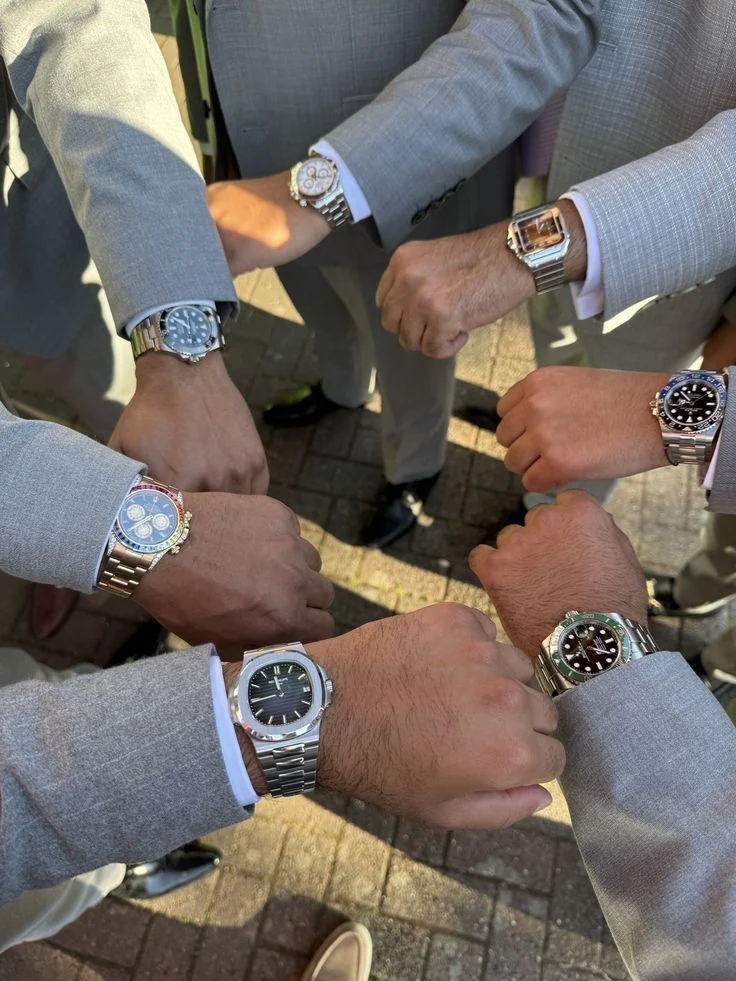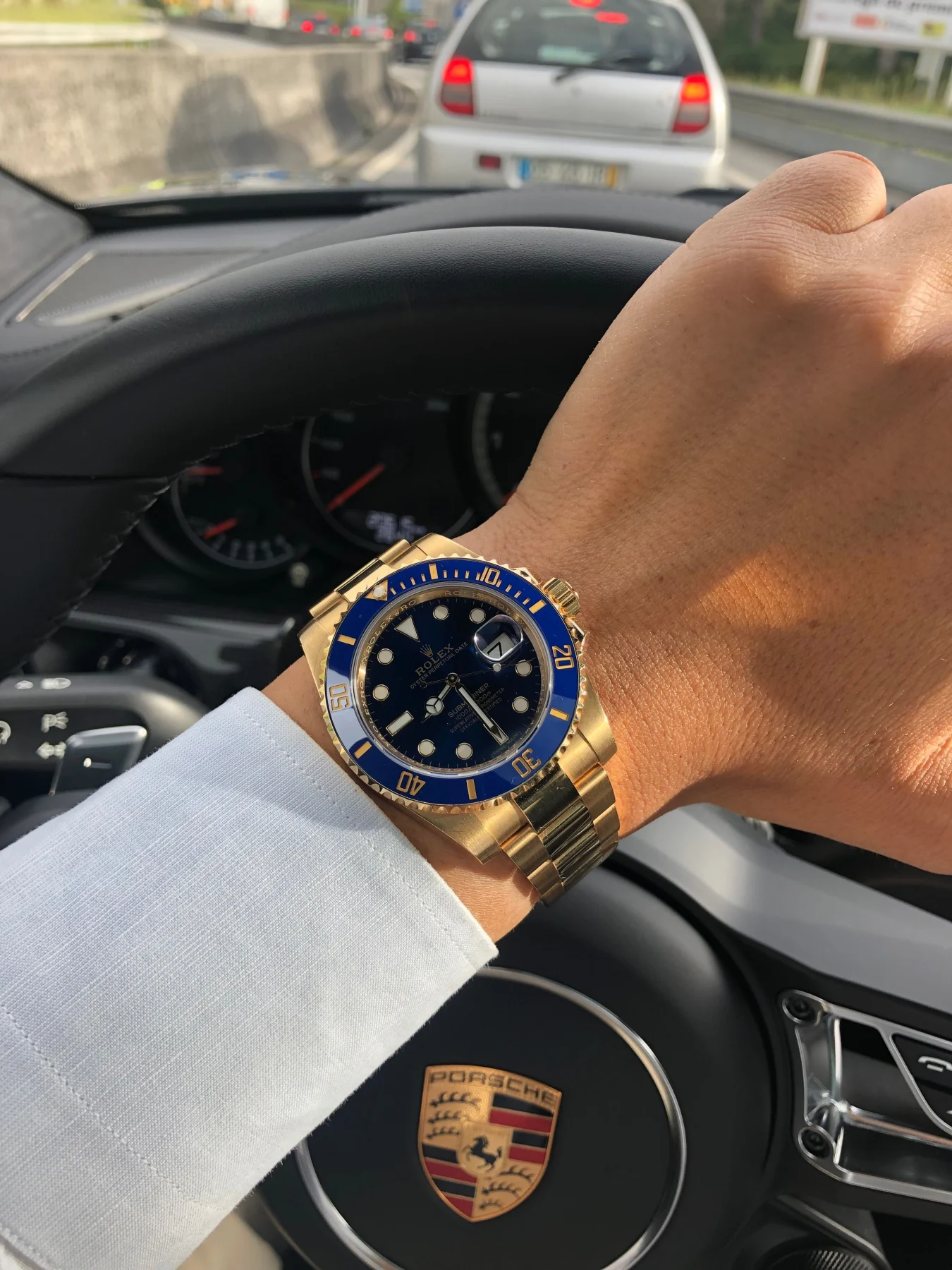
Direct answer: A Rolex Oyster Perpetual Date typically ranges from about $2,000 to $12,000+, depending on whether it’s a vintage or modern piece, the metal (steel vs. gold), condition, and market demand. Vintage pre-owned Oyster Perpetual Date models commonly sell for roughly $2,000–$6,000, modern steel examples or newer references usually trade around $4,000–$10,000, and gold or heavily optioned pieces can exceed $10,000. These are approximate ranges and actual prices vary by year, reference, and region.
Detailed explanation
The phrase “Rolex Oyster Perpetual Date” can refer to several related models across Rolex’s history. Rolex’s nomenclature is sometimes confusing: the current Oyster Perpetual line (introduced as a more simplified, no-date everyday Rolex) differs from older or vintage “Oyster Perpetual Date” references which include a date window. Many buyers also conflate the Oyster Perpetual Date with the Datejust, which is a separate collection that prominently features a date and often a cyclops lens. Because of those nuances, prices vary widely.
Key price determinants include the model reference, production year, case size, whether the watch is stainless steel or precious metal, original box and papers, service history, and overall condition. Market conditions and dealer markup (gray market premiums) play a major role—popular references or discontinued sizes can carry significant premiums above Rolex retail price. For vintage pieces, rarity and patina also influence value.
| Category | Typical Price Range (approx.) |
|---|---|
| Vintage Oyster Perpetual Date (steel) | $2,000 – $6,000 |
| Modern pre-owned Oyster Perpetual Date / similar (steel) | $4,000 – $10,000 |
| New retail (applies more to comparable models like Datejust / Oyster Perpetual) | $5,000 – $12,000+ |
| Gold or gem-set variants | $10,000 – $40,000+ |
Key reasons / factors influencing price
- Model and reference: Different references (e.g., older ref. 1500-series vs. later ref. numbers) command different prices.
- Material: Stainless steel is the most affordable; two-tone (steel + gold) and full gold versions are significantly more expensive.
- Condition and service history: Watches in excellent condition with documented servicing and original parts fetch higher prices.
- Box and papers: Original box, warranty card, and manuals add 10–30% value for collectors.
- Age and rarity: Certain vintage dials, rare dial colors, or discontinued sizes can raise value.
- Market demand and availability: Popular references can sell above retail; scarcity and dealer markups affect final cost.
- Authentication and provenance: Verified authenticity and clear ownership history reduce buyer risk and increase price.
- Geography and taxes: Regional taxes and import duties, as well as local demand, impact price.
Comparison
- Oyster Perpetual Date vs Oyster Perpetual (no date): The Oyster Perpetual Date includes a date complication; the modern Oyster Perpetual is simpler and often positioned as the entry-level Rolex. Prices for date models can be slightly higher than no-date equivalents, depending on the reference.
- Oyster Perpetual Date vs Datejust: The Datejust is Rolex’s dedicated date collection with more size and material options; Datejust prices typically start higher than vintage Oyster Perpetual Date and frequently overlap with modern Oyster Perpetual Date prices. Datejust models have a broader market and often higher retail MSRPs for new pieces.
- Vintage vs Modern: Vintage Oyster Perpetual Date models can be more affordable if common, but rare dial variants or well-preserved examples can be premium items. Modern pre-owned pieces may be closer to new-retail pricing.
Pros and Cons
- Pros:
- Classic Rolex styling with date function—wearable for everyday and dress occasions.
- Often more affordable than Datejust examples, especially for vintage steel pieces.
- Good long-term value retention for well-maintained examples.
- Cons:
- Model naming confusion—buyers must confirm exact reference to avoid surprises.
- Availability and dealer markups can push prices above reasonable retail ranges.
- Vintage models may require servicing or parts that add cost; authenticity checks are essential.
FAQs
Is the Rolex Oyster Perpetual Date the same as the Datejust?
No. While both have a date complication and share Rolex’s Oyster case and Perpetual rotor, the Datejust is its own line with a wider range of sizes, materials, and dial options. The term “Oyster Perpetual Date” historically refers to simpler date-equipped references, often smaller and less embellished than many Datejust variants.
Can I buy a new Rolex Oyster Perpetual Date at retail from an AD (authorized dealer)?
Buying new depends on current dealer allocations, local waitlists, and Rolex’s supply. Many buyers face waitlists or are offered alternative models. For vintage Oyster Perpetual Date references, you’ll find them only on the pre-owned market.
How much does a serviced Oyster Perpetual Date cost?
Service costs depend on the movement and parts required; an official Rolex service can range from several hundred to over a thousand dollars. A well-documented service history increases resale value but also adds to ownership cost over time.
Are pre-owned Oyster Perpetual Date watches a good investment?
They can hold value well, particularly rare or well-preserved references. However, like all watches, returns depend on model rarity, condition, and market trends. Buy what you like, and treat potential appreciation as a secondary benefit.
How do I verify authenticity before buying?
Have a reputable dealer, watchmaker, or Rolex service center authenticate the watch. Check the reference and serial numbers, movement, caseback, dial details, and overall finishing. Original box, papers, and service records help confirm provenance and increase buyer confidence.