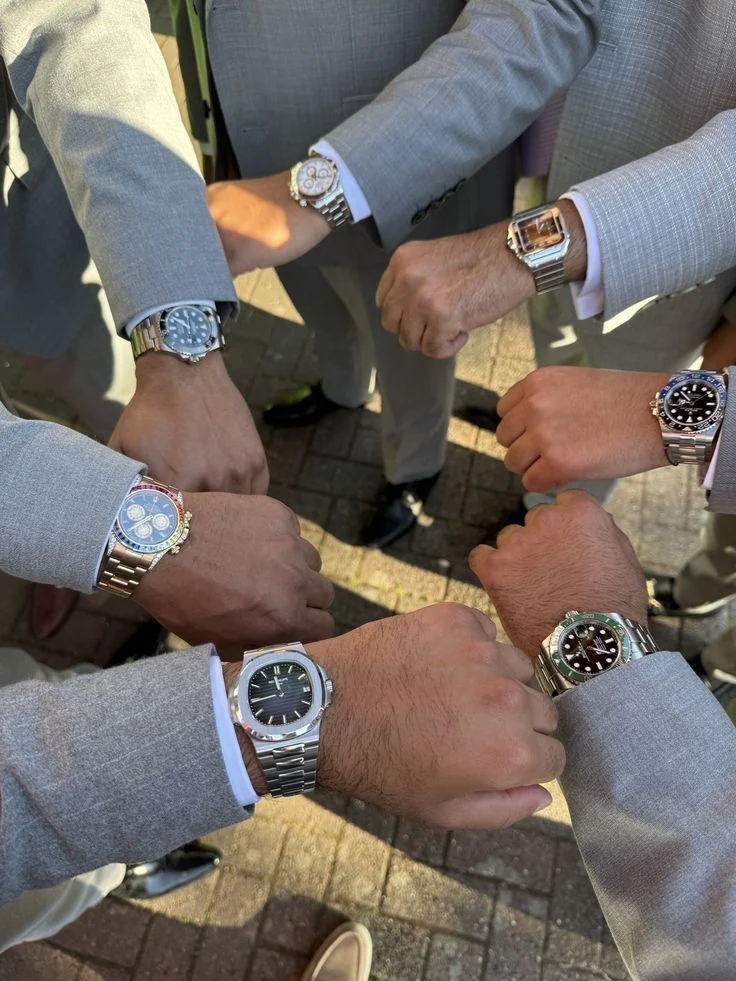
Short answer: A used Rolex typically ranges from about $2,000 for basic entry-level and older models to well over $100,000 for rare, vintage or precious-metal pieces. Most common pre-owned stainless steel models sell in the roughly $4,000–$30,000 band depending on model, condition and market demand — but specific prices vary widely based on many factors.
Detailed explanation
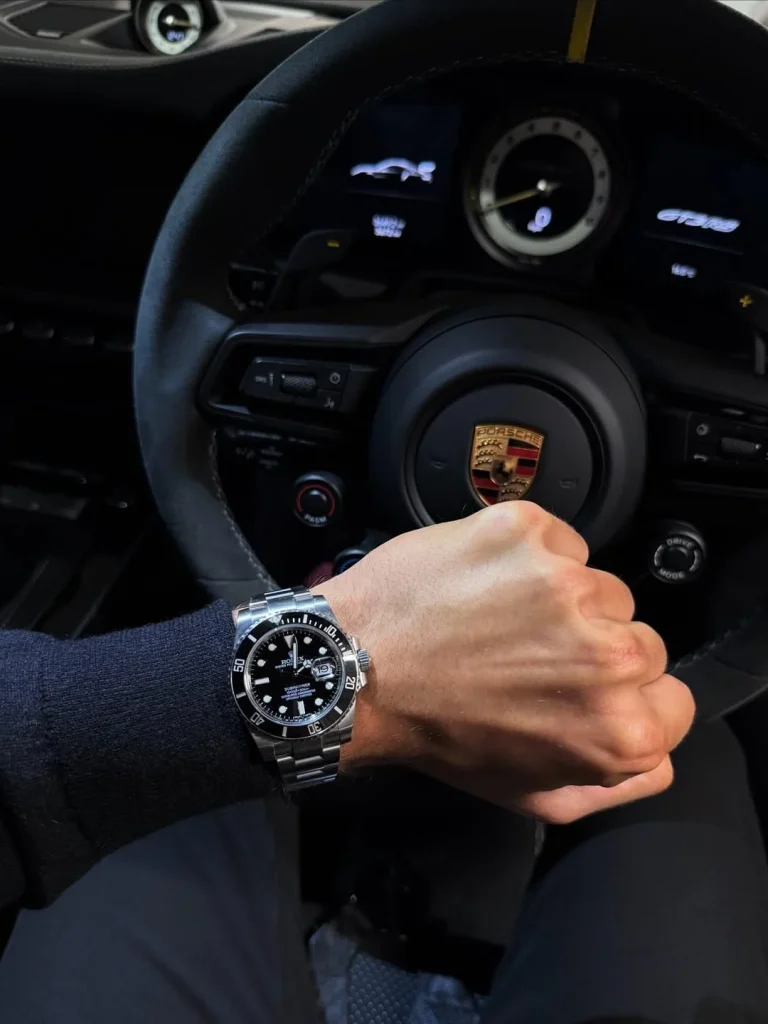
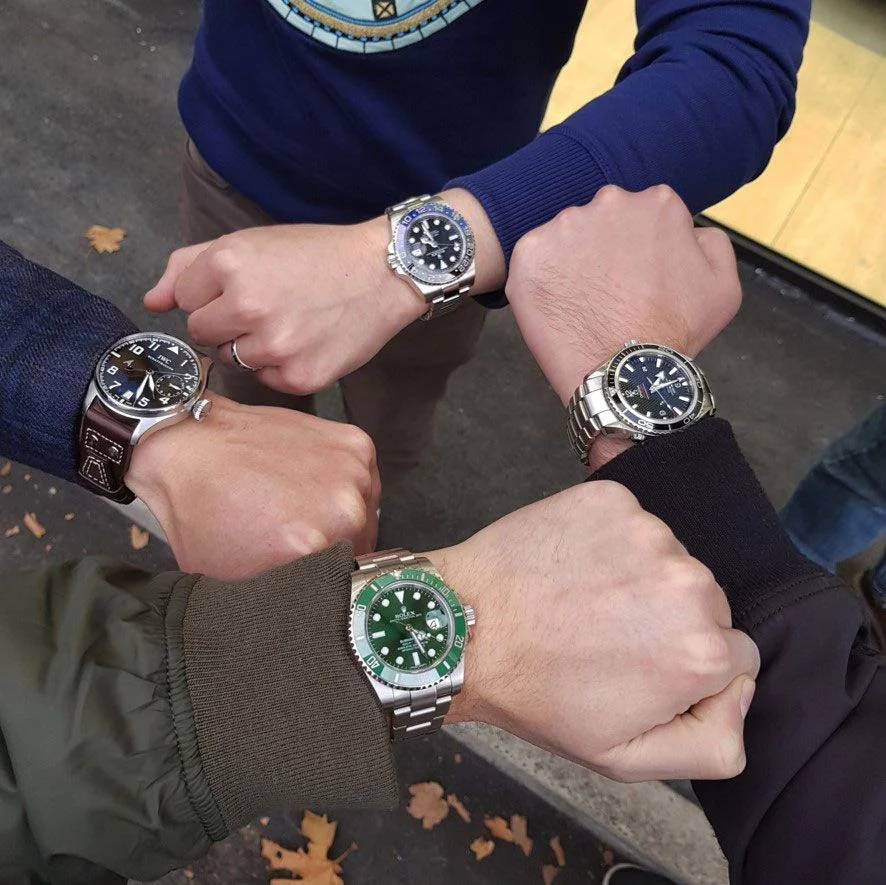
Answering “how much is a used Rolex” requires context: Rolex is a broad brand with many models, materials and vintages. Entry-level pieces such as older Oyster Perpetuals or Air‑Kings can be found for a few thousand dollars, while modern stainless-steel sport models (Submariner, GMT-Master II) usually command mid-five-figure prices on the secondary market. Iconic chronographs like the Daytona — especially vintage “Paul Newman” examples — can reach six or seven figures at auction. Precious-metal and gem-set Rolexes (gold, Rolesor with diamonds) typically start considerably higher than stainless steel equivalents.
Market conditions, collector trends and regional demand also drive prices. For example, scarcity of a specific reference or a craze for a particular dial can push certain used Rolex prices above retail and create sizable premiums. Conversely, heavily worn, modified or poorly documented watches sell for less. Where you buy — authorized pre-owned dealer, independent seller, auction house or private sale — also affects price and risk.
Key reasons / factors
- Model and reference: Popular sport models (Submariner, GMT, Daytona) usually cost more than Datejust or Oyster Perpetual.
- Material: Stainless steel is generally cheaper than two-tone (Rolesor), gold or gem-set variants.
- Condition: Case, bezel, crystal, dial and bracelet condition strongly affect value; refinishing and polishing can reduce collector value.
- Original box & papers: Watches with original warranty card, box and service records are worth a premium.
- Service history: Recent authorized service can raise price and buyer confidence; missing or poor service lowers it.
- Rarity & provenance: Limited production runs, celebrity ownership or important provenance significantly increase value.
- Age & vintage desirability: Certain vintage references are more collectible than newer models — condition and originality are paramount.
- Authenticity and modifications: Aftermarket dials, replaced parts or mismatched serial numbers reduce price or make a watch unsellable to serious buyers.
- Market trends & region: Currency, taxation, local demand and dealer mark-ups cause regional price variances.
Comparison
Used vs new: Buying used typically saves money versus retail, but premiums for scarce stainless-steel sport models sometimes cause used prices to exceed new-list prices on the gray market. A new stainless Submariner from an AD (authorized dealer) may be hard to source, pushing buyers to pre-owned dealers at a markup. Generally, less popular models depreciate more, while highly sought-after models hold or increase value.
Used Rolex vs other brands: Compared with brands like Omega or Tudor, pre-owned Rolexes usually command higher prices and stronger resale values. Compared with ultra-high-end brands (Patek Philippe, Audemars Piguet), Rolex often offers more liquidity and a lower entry point for collectors, though rare pieces from those brands may appreciate more dramatically.
| Model (typical pre-owned) | Approximate price range (USD) |
|---|---|
| Oyster Perpetual / Air‑King | $2,000 – $8,000 |
| Datejust / Explorer | $3,000 – $12,000 |
| Submariner (steel) | $8,000 – $25,000+ |
| GMT‑Master II (steel) | $8,000 – $30,000+ |
| Daytona (modern) | $15,000 – $100,000+ |
| Vintage rare models | $50,000 – millions |
Pros and Cons
- Pros:
- Lower entry price than brand-new for many models.
- Potential for immediate equity if buying a high-demand model.
- Access to discontinued and vintage references not available new.
- Established resale value and global recognition.
- Cons:
- Risk of counterfeit or heavily modified watches — requires expertise to spot fakes.
- Possible hidden service costs or imminent maintenance needs.
- Less warranty coverage if not from an authorized pre-owned dealer.
- Price volatility tied to trends and scarcity.
FAQs
1. Is buying a used Rolex a good investment?
Generally, buying a used Rolex can preserve value better than many other consumer purchases and may appreciate for certain models. However, treat it primarily as a purchase you enjoy wearing — only a subset of models reliably appreciate, and timing, model choice and market risk matter.
2. How can I avoid buying a fake used Rolex?
Buy from reputable sellers, request detailed photos and serial/reference numbers, compare movement and dial details to known examples, and consider independent authentication or purchasing through dealers who offer guarantees. Beware of prices that seem too good to be true.
3. Do used Rolex watches come with a warranty?
Some authorized pre-owned dealers provide limited warranties (e.g., 12–24 months) on movement and authenticity. Private sales usually have no warranty, so buying from established dealers or auction houses reduces risk.
4. How often should a used Rolex be serviced?
Rolex recommends servicing roughly every 5–10 years depending on use and condition. A recent full service from an authorized center increases confidence and may raise resale value, but service costs should be factored into the total ownership cost.
5. Where is the best place to buy a used Rolex?
Options include reputable pre-owned dealers, authorized pre-owned boutiques, well-known auction houses, and trusted private sellers. Each has trade-offs in price, warranty and risk; perform due diligence, check reviews and request documentation before buying.