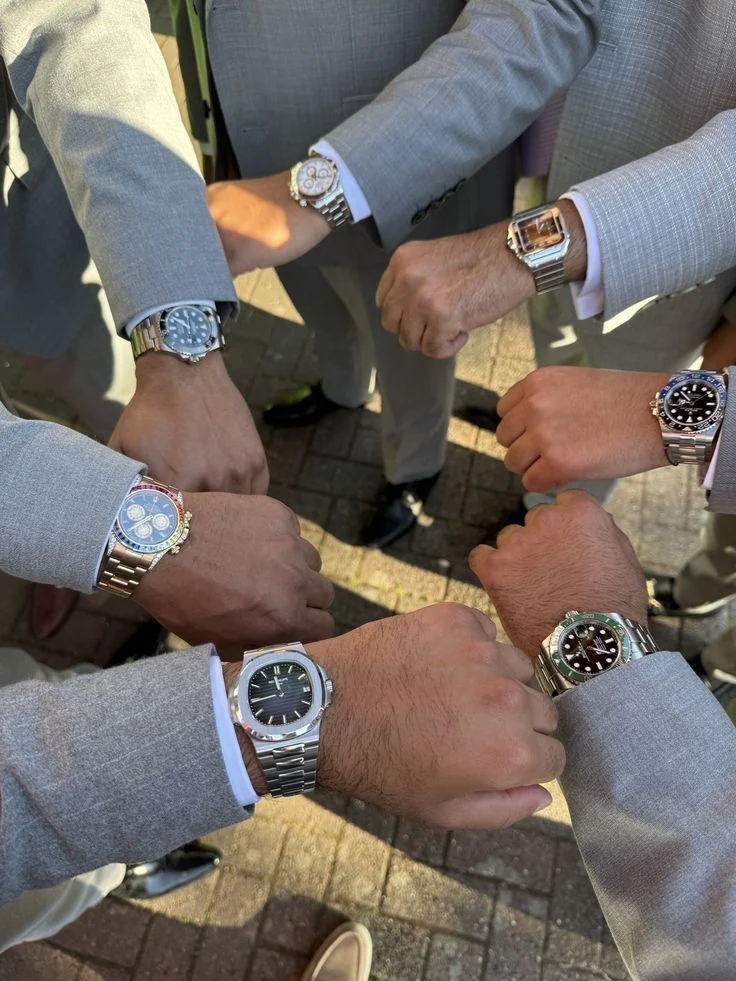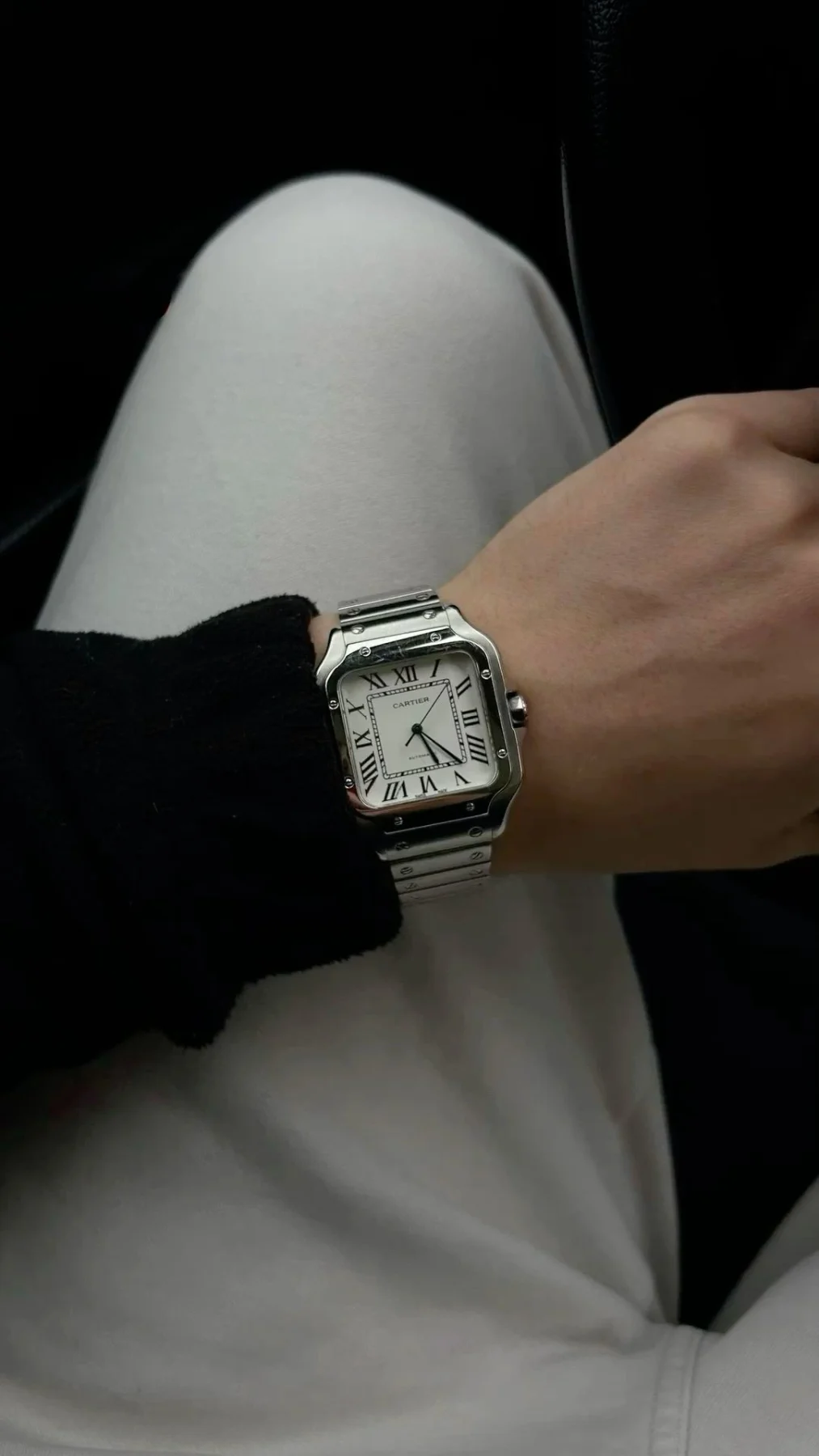
Direct answer: A new Rolex Oyster Perpetual typically sells for roughly $4,500–$6,500 USD at Rolex retail (MSRP) depending on size and market, while the pre-owned and grey-market price can range from about $5,000 to $20,000+ for rare or highly sought-after dials. In short: expect near-retail numbers for common references, and substantial premiums for popular colorful or discontinued Oyster Perpetual models.
Detailed explanation
When someone asks “how much is Rolex Oyster Perpetual” the answer depends on several variables: whether the watch is new from an authorized dealer, which case size and reference it is, the dial color, the condition, and current market demand. The Oyster Perpetual (often abbreviated OP) is Rolex’s entry-level, all-steel, no-date, time-only model family. It’s prized for Rolex build quality, in-house automatic movements, and versatile design. Because Rolex controls supply and demand tightly, retail availability is often constrained and certain dial colors have become collector darlings, pushing prices on the secondary market above official list prices.
Approximate retail (MSRP) ranges by size are useful as a starting point. These are ballpark figures (markets and official prices change over time):
| Case size (typical references) | Approximate MSRP (USD) |
|---|---|
| 28–31 mm | $4,500–$5,500 |
| 34–36 mm | $5,000–$6,000 |
| 41 mm | $5,500–$6,500 |
On the secondary market, prices fluctuate widely. Common-styled OPs often trade close to or slightly above retail when new pieces are scarce. In contrast, specific vibrant dials released in recent years (bright turquoise, candy colors, or discontinued shades) have commanded significant premiums—sometimes 2–3x MSRP or more. Vintage Oyster Perpetual models can vary even more, depending on rarity and condition.
Key reasons / factors
- Official MSRP vs market price: Rolex sets an official retail price, but availability at authorized dealers may be limited, causing grey-market premiums.
- Case size and reference: Smaller and larger sizes have different movement calibers and price points; reference number matters for collectors.
- Dial color and rarity: Unique or discontinued dials (bright colors, special finishes) dramatically increase demand and price.
- Condition and provenance: New-with-box-and-papers pieces sell for more; serviced or damaged watches sell for less.
- Market region and taxes: Local taxes, import duties, and currency fluctuations affect the retail and resale price.
- Supply constraints and hype: Rolex’s production control and collector interest drive premiums in the secondary market.
- Material and complications: The classic Oyster Perpetual is stainless steel and no-date; more precious materials or complications (in other Rolex models) cost more.
Comparison
Comparing the Rolex Oyster Perpetual price to other Rolex models helps put value in context:
- Oyster Perpetual vs Datejust: The Datejust generally costs more than the OP at retail due to the date complication, cyclops lens, and broader material/finish options (two-tone, gold, etc.). A comparable stainless Datejust often starts several hundred to a few thousand dollars above an OP MSI.
- Oyster Perpetual vs Submariner: The Submariner (diver, higher water resistance, rotating bezel) is positioned higher in price and desirability—both at retail and in the secondary market—often carrying a substantial premium.
- Oyster Perpetual vs Explorer/Air-King: These tool-model siblings may sit in a similar price band but reflect different design cues and sometimes slightly different market demand; collectible variants can command higher prices.
Pros and Cons
- Pros:
- Classic Rolex build quality and movement reliability.
- Clean, versatile designs that work casual to formal.
- Generally more attainable MSRP than many other modern Rolex sports models.
- Some dials have become modern icons and appreciate in value.
- Cons:
- High demand and limited availability mean many buyers pay above MSRP on the secondary market.
- No date complication may be a drawback for some buyers used to a date window.
- Price fluctuations based on fashion/dial trends; not every OP will appreciate.
FAQs
Can I buy a Rolex Oyster Perpetual at retail price?
Yes, it’s possible to buy one at MSRP from an authorized Rolex retailer, but availability varies. Many dealers have waiting lists, and priority is often given to long-standing customers or based on purchase history. If you can find a new piece in stock, you’ll usually pay near the official price.
Why do some Oyster Perpetual models cost so much more on the secondary market?
Limited supply, high demand for certain colors, and collector interest drive secondary-market premiums. When Rolex discontinues or changes popular dials, those existing pieces can become scarce and command higher prices.
Is the Oyster Perpetual a good investment?
Oyster Perpetual watches hold value better than many mass-market watches, particularly rare dials and well-maintained models. However, not every OP will appreciate; treat it primarily as a high-quality watch you enjoy wearing rather than a guaranteed financial investment.
Do prices differ by country?
Yes. Official retail prices vary between countries due to taxes, duties, and regional pricing strategies. Secondary market rates also reflect local demand, taxes, and import costs.
How do I determine the exact price for a specific Oyster Perpetual model?
Check the current Rolex catalog for official MSRP, contact authorized dealers for availability, and review reputable pre-owned marketplaces to see recent sale prices for the exact reference, dial, and condition you’re considering.