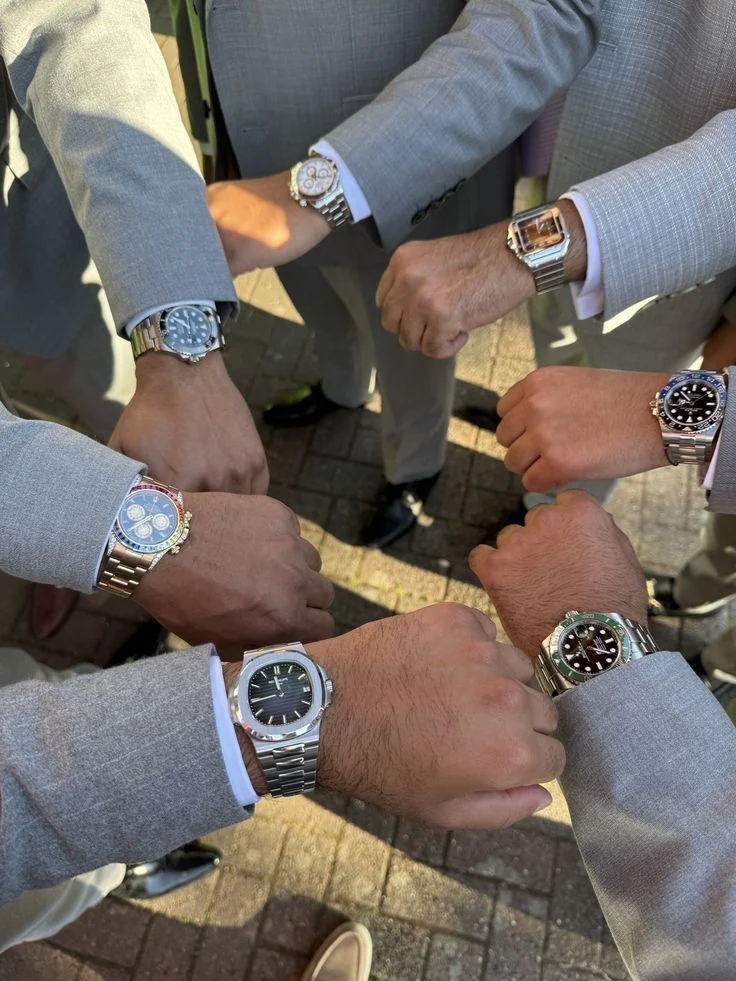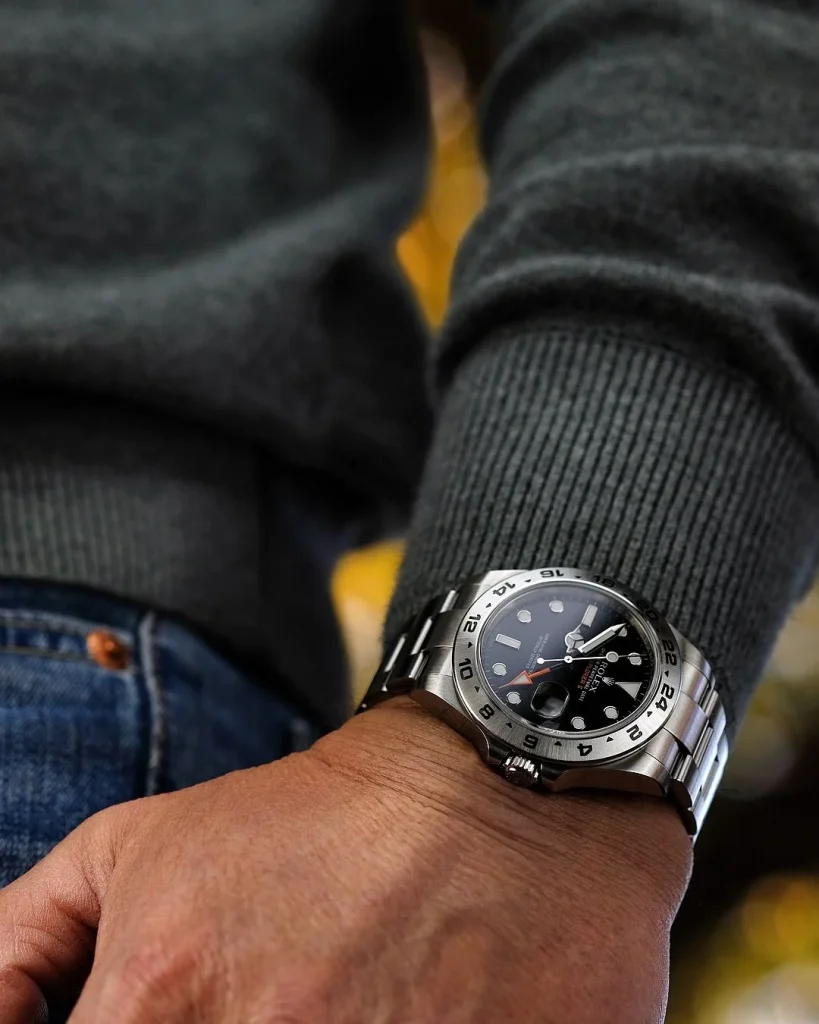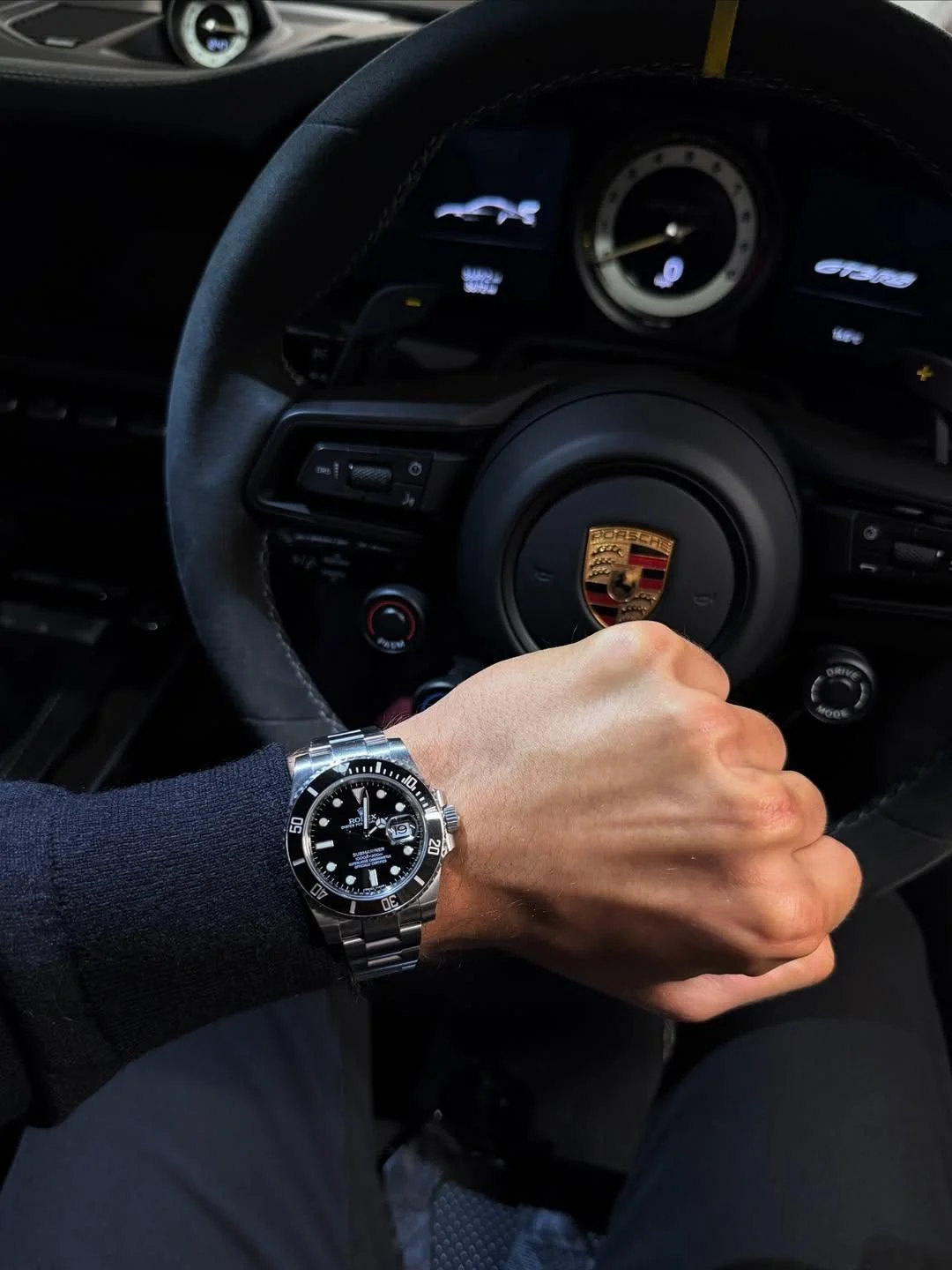
Short answer: To buy used Rolex watches safely, research model prices and market demand, choose a reputable seller (established pre-owned dealer, trusted auction house, or verified private seller), authenticate the watch by checking serial/reference numbers, movement, case, and documentation, request service history, and secure payment/shipping with insurance and a return policy. Prioritize condition, provenance, and seller reputation over the lowest price.
Detailed explanation
Buying a used Rolex (also called a pre-owned or second-hand Rolex) can be a great way to access iconic models and potential value retention, but it requires care to avoid counterfeits or overpriced listings. Start with clear goals: which Rolex model (Submariner, Datejust, GMT-Master, Daytona, Explorer, etc.), your budget, and whether you want original papers and box. Prices vary widely by model, age, condition, and rarity—so market research is essential.
Next, pick where to buy. Options include authorized dealers (rare for used stock), specialist pre-owned dealers, reputable online platforms with authentication, auction houses, and private sellers. Each has trade-offs between price, warranty, and risk. Reputable pre-owned dealers often offer warranties and return periods, which reduce risk. Private sales can be cheaper but require more diligence and proof of authenticity.
Authentication should be your top priority. Verify the serial and reference numbers against Rolex production years and model references. Inspect the movement (service marks inside caseback if possible), crown, clasp code, dial printing, magnification of date cyclops, bezel action, and caseback engraving. Many counterfeit watches mimic visual cues but fail in movement quality, bracelet finishing, or inside-case markings. If unsure, have the watch inspected by a certified watchmaker or a Rolex service center.
Documentation matters. Original box, warranty papers, manuals, and service receipts increase value and reassure provenance. However, many vintage Rolex watches sell without full paperwork—then the condition, service history, and seller reputation matter even more. Ask for detailed photos from multiple angles and, when possible, a timekeeping test or video showing the watch running.
Negotiate price with knowledge of recent sales for the specific reference and condition. Factor in upcoming service costs; Rolex service is recommended every 5–10 years and can be costly. Confirm return policy, warranty (dealer or manufacturer if recently serviced), payment security (avoid wire transfers to unknown parties), and insured shipping for valuables. Keep all receipts and communications for records and future resale.
Key reasons / factors
- Model and rarity: Popular models (Submariner, Daytona, GMT-Master II) command higher prices and hold value.
- Condition: Case, dial, hands, bracelet stretch, and crystal condition directly affect price and desirability.
- Provenance and documentation: Original box and papers increase trust and resale value.
- Service history: Regular servicing by qualified watchmakers reduces future repair risk.
- Authentication: Serial/reference checks and movement verification protect against counterfeits.
- Seller reputation: Established dealers and auction houses reduce fraud risk and often provide returns/warranties.
- Market pricing: Check completed sales on marketplaces and auction results to know fair market value.
Comparison
| Source | Pros | Cons |
|---|---|---|
| Authorized dealer (pre-owned stock) | High trust, may carry manufacturer service history, warranties | Limited selection, prices often higher |
| Reputable pre-owned dealer | Wide selection, authentication, warranties/returns | Mid-to-high prices; still verify independent reviews |
| Auction houses | Access to rare/vintage pieces; transparent provenance at times | Buyer’s premium and no guarantee beyond auction terms |
| Private seller / classifieds | Potential bargains | Higher risk of counterfeit, less recourse, requires thorough checks |
Pros and Cons
- Pros:
- Lower price than new models; access to discontinued or vintage variants
- Potential for value appreciation, especially for rare references
- Immediate availability—no waitlists for many used pieces
- Cons:
- Risk of counterfeit or heavily modified watches
- Potentially costly servicing or unexpected repairs
- Incomplete provenance can lower resale value
FAQs
How can I tell if a used Rolex is authentic?
Check the serial and reference numbers, dial printing quality, cyclops magnification (about 2.5x on genuine Rolex), crown logo, bracelet finish, and movement. Request service records and high-resolution photos of the caseback interior and movement. When in doubt, have an independent watchmaker or Rolex service center inspect it.
Is it safe to buy a used Rolex online?
Yes, if you use reputable platforms or dealers that provide authentication, warranties, buyer protection, and insured shipping. Avoid sellers with poor reviews, vague listings, or requests for unusual payment methods. Always get clear photos, provenance, and a return policy.
Do used Rolex watches hold their value?
Many Rolex models retain value well, especially popular sports models (Submariner, Daytona, GMT). Rarity, original condition, and documentation increase long-term value. However, not every used Rolex will appreciate; condition and market demand are key.
Should I buy a Rolex with replaced parts or after-market modifications?
Original parts usually command higher value. After-market or non-original dials, bezels, or movements can reduce collectibility and resale price. If authenticity and investment value matter, avoid heavily modified watches or ensure the price reflects those changes.
What paperwork should I expect with a used Rolex?
Ideally, original warranty card/papers, box, service receipts, and any appraisal documents. For vintage pieces, a service history and reputable dealer invoice are valuable even if original papers are missing.