Direct answer: To check if a Rolex is original, perform a combination of visual inspections (dial printing, cyclops magnification, crown logo, rehaut engraving, case back), physical checks (weight, bracelet/serial codes, clasp functions), and technical verification (movement inspection by a qualified watchmaker or Rolex service center and checking paperwork/serial numbers). If unsure, the most reliable method is professional authentication at an authorized Rolex service center.
Detailed explanation
Determining whether a Rolex is genuine involves more than a single quick test. High-quality replicas can mimic one or two features, so you need multiple consistent signs of authenticity. Start with the exterior: examine the dial printing, hands, bezel and the iconic cyclops magnifier over the date. Then inspect engraving details such as the rehaut (inner bezel) and the case/serial numbers. Finally, confirm by opening the case to examine the movement and any manufacturer markings—this should be done by a qualified watchmaker.
Key practical steps to check an original Rolex:
- Inspect the dial and printing: Genuine Rolex printing is razor-sharp. Look for any fuzziness around text like “Rolex,” “Oyster Perpetual,” or depth ratings. Markers and lume plots are neatly applied.
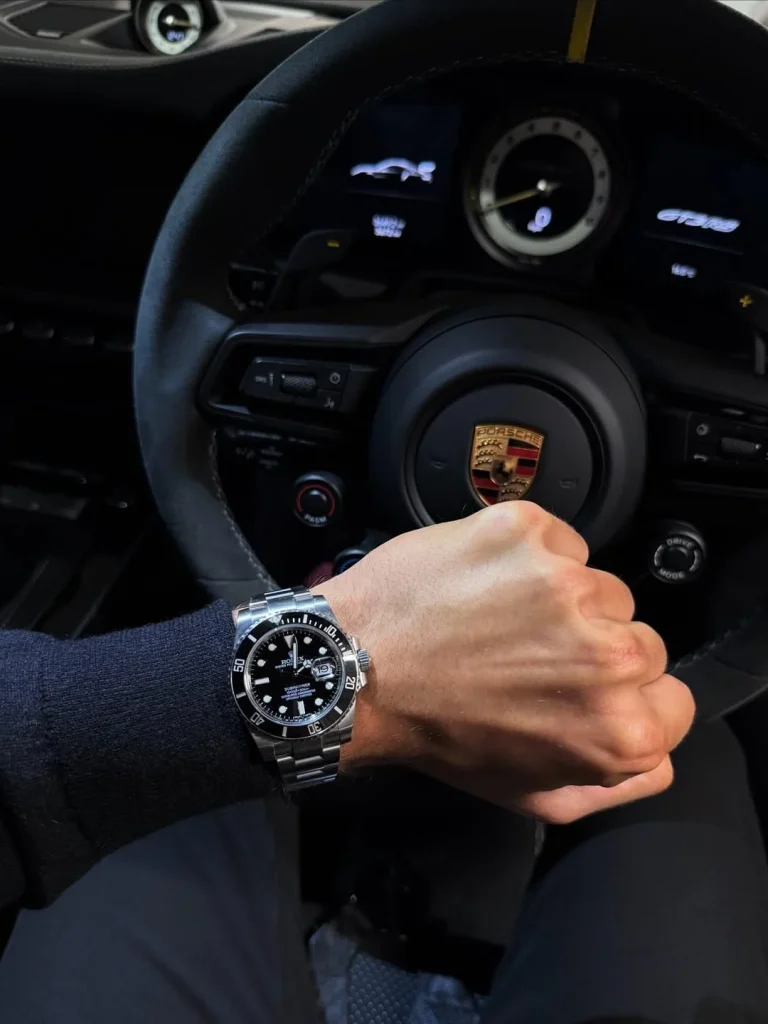
- Check the cyclops magnifier: On most modern Rolex models the date magnifier should enlarge the date ~2.5x. If the date appears only slightly larger or distorted, that’s suspicious.
- Examine the crown and crown guards: The winding crown should have the Rolex coronet logo crisply engraved and operate smoothly with precise screw-down threading.
- Feel the weight and finish: Rolex uses solid metal components. A genuine watch feels substantial and the finishing—polish and brushed surfaces—will be executed with tight tolerances.
- Look for the micro-etched crown: Since the early 2000s many Rolex crystals feature a tiny etched crown at the 6 o’clock position visible under magnification.
- Check the rehaut and serial/model numbers: Modern Rolex watches have “ROLEX” engraved repeatedly on the inner bezel (rehaut) and the serial number at the 6 o’clock gap. Older models may have serial numbers between the lugs. Engravings are precise and deep.
- Open the case (expert required): A genuine Rolex movement is beautifully finished and signed. Counterfeit movements often lack high-end finishing and correct part markings.
- Verify paperwork and service history: Original box, warranty card, and service records increase confidence. Cross-check serial/model numbers on paperwork with the watch itself.
Key reasons / factors
- Movement quality: Rolex movements are high-grade with specific model markings; a different movement is a strong indicator of falsification.
- Engravings and serials: Authentic Rolex engravings are precise, evenly spaced and deeply cut—replicas often have poor engraving quality.
- Cyclops magnification and date: Correct magnification is a reproducible sign; many fakes get this wrong.
- Weight and materials: Rolex uses solid stainless steel (904L in modern pieces), gold, or platinum—cheap alloys and hollow bracelets are red flags.
- Finish and assembly: Tight tolerances in bracelet end-links, clasp function and bezel action indicate authenticity.
- Service/Provenance: Original warranty cards, receipts and service invoices support authenticity; provenance matters for resale value.
Comparison
| Feature | Original Rolex | Fake / Replica |
|---|---|---|
| Dial printing | Sharp, even, perfectly aligned | Often fuzzy, misaligned or ink-bleed |
| Cyclops magnification | Approximately 2.5x enlargement, centered | Weak magnification, off-center or distorted |
| Rehaut/serial engraving | Precise engraving, consistent font | Shallow, uneven or incorrect font |
| Movement | Rolex-manufactured movement, high finish | Generic or poor-quality movement |
| Weight / materials | Substantial weight; quality metals | Feels light; cheaper metals/plating |
Pros and Cons
- Pros of doing checks yourself: Quickly rule out obvious fakes; no cost; useful when buying privately.
- Cons of DIY inspection: High-quality replicas can fool non-experts; opening the case voids warranties and should be done by a professional.
- Pros of professional authentication: Definitive result from an authorized Rolex dealer or certified watchmaker; movement-level inspection and pressure testing possible.
- Cons of professional authentication: May require fees and shipping; turnaround time can vary.
FAQs
How can I check the serial number to verify my Rolex?
Find the serial number between the lugs at 6 o’clock on older models or on the rehaut (inner bezel) of modern Rolexes. Compare it to paperwork, warranty card, or a reliable database. Do not rely solely on online lists—serial ranges can confirm production period but not guarantee originality without movement inspection.
Does the crown logo on the dial prove a Rolex is original?
The crown logo is necessary but not sufficient. Many replicas reproduce the coronet. Look for crisp printing, correct proportions, and matching coronet on the winding crown and clasp. Combine this with other checks such as movement and serial engraving.
Is the cyclops magnifier always 2.5x on real Rolex watches?
Most modern Rolex Date and Datejust models have a cyclops magnifier around 2.5x, but some vintage models and specific references may differ. If magnification is clearly weak or the date is distorted, it’s a likely red flag.
Can a replacement part make a genuine Rolex look fake?
Yes. Aftermarket crystals, dials, or movements can alter appearance and function. A genuine case with replaced parts may still be authentic but not original. For full provenance and value, confirm if parts were replaced during authorized service.
What’s the most reliable way to authenticate a Rolex?
The most reliable method is a professional inspection: an authorized Rolex service center or an experienced watchmaker who can open the case and verify the movement, serial/model numbers, and overall build. Always request documentation for the authentication.