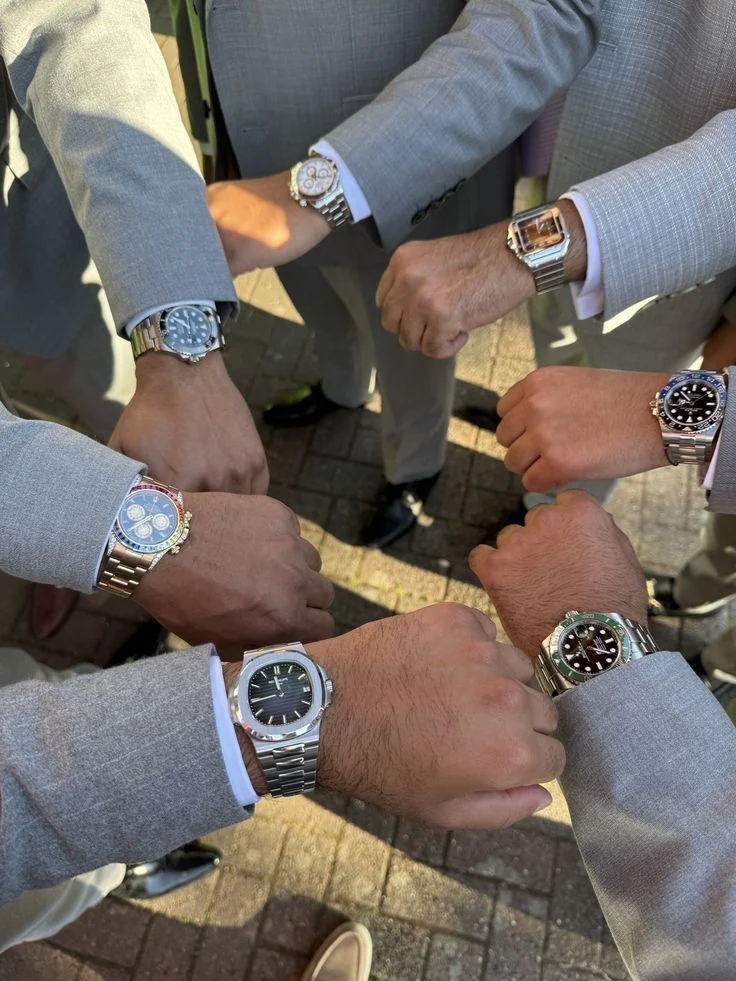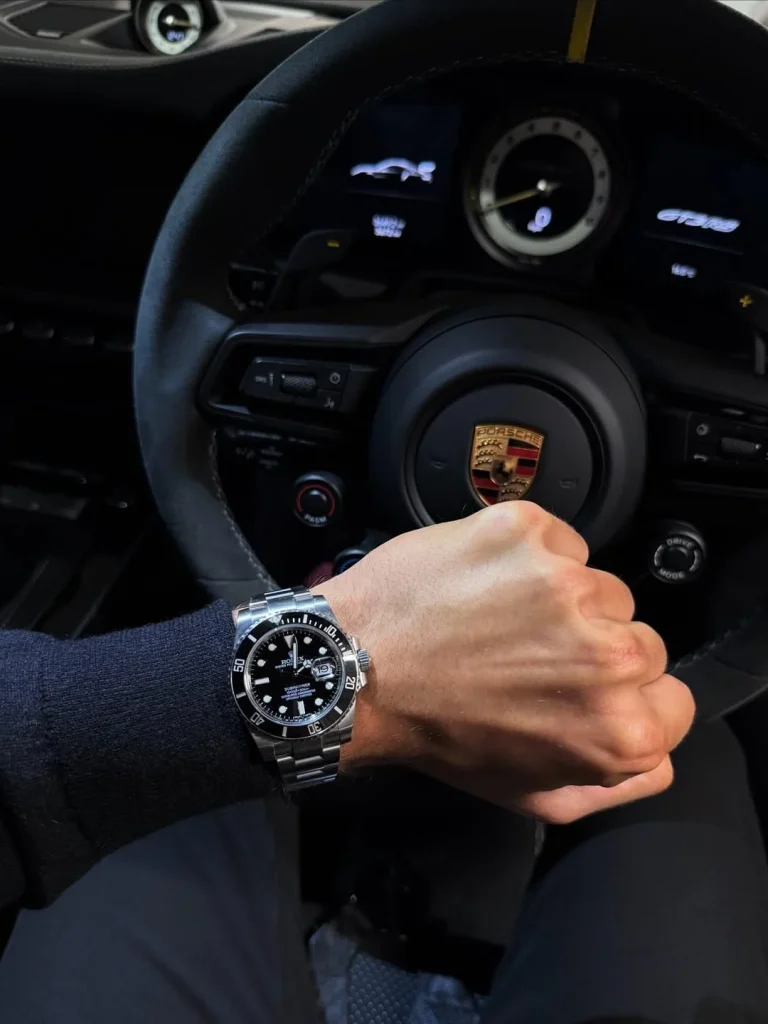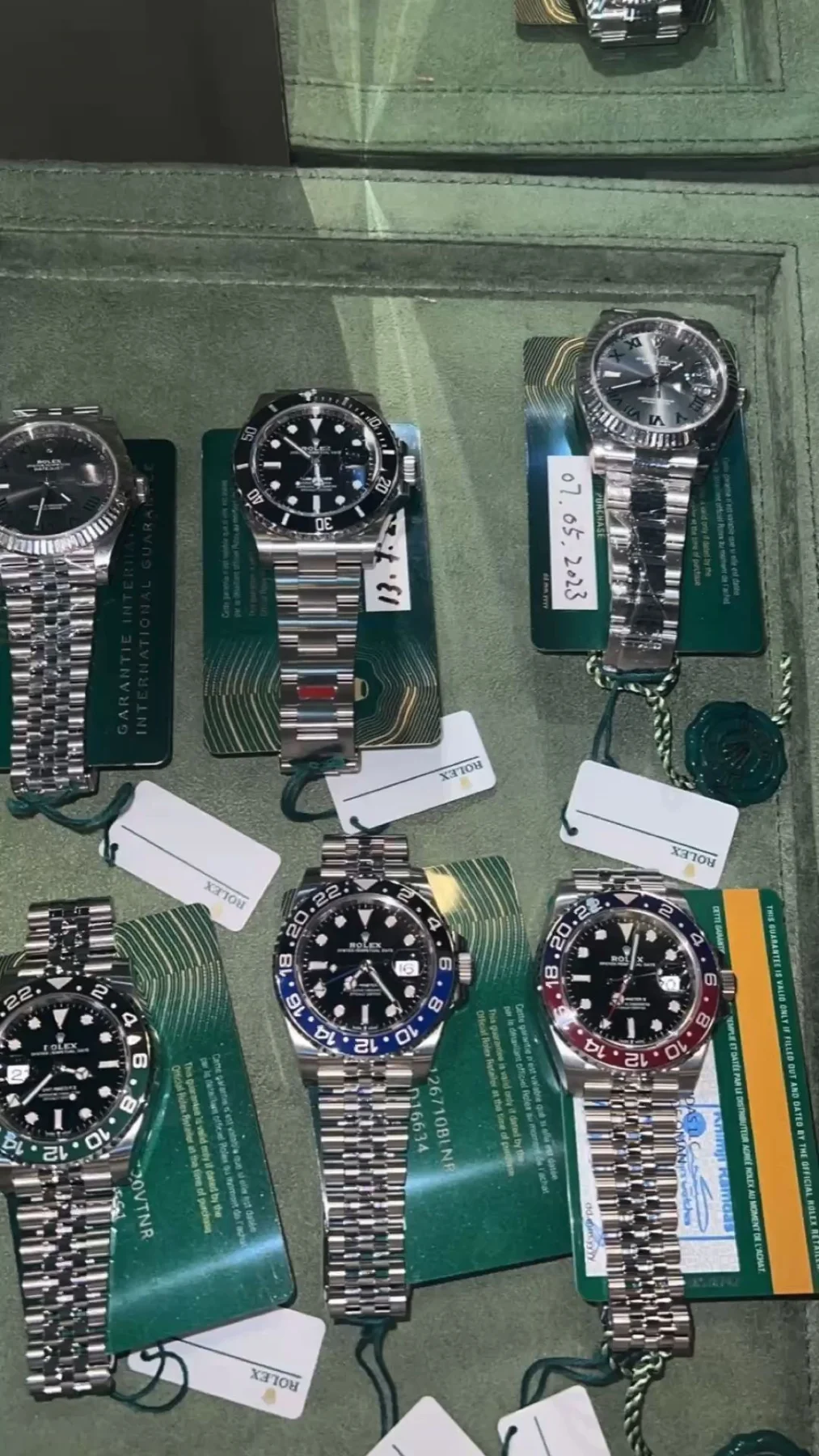
Direct answer: You can usually tell if a Rolex is fake by checking a combination of physical details and provenance: weight and finishing, the smoothness of the seconds hand (movement), cyclops magnification and date printing, correct serial/reference numbers and engravings (including the micro-etched crown), bracelet and clasp stamps, and original paperwork/authorized service history. If any of these key elements are wrong or missing, have the watch inspected by a qualified watchmaker or authorized dealer before buying.
Detailed explanation
Rolex is one of the most copied luxury watch brands, and counterfeiters range from poor-quality sellers to highly sophisticated workshops that make convincing clones. No single test guarantees authenticity, but a systematic inspection of case details, movement, and documentation will reveal most fakes. Genuine Rolex watches are manufactured to precise tolerances, with high-quality materials (Oystersteel/904L stainless steel or precious metals), crisp dial printing, perfect bezels, precise engravings, and movements finished and signed by Rolex. Replicas often cut corners on weight, finishing, dial font, lume, date magnification, and movement sound/behavior.
Start with obvious checks: does the watch feel heavy and solid? Does the seconds hand sweep smoothly (not loud one-second ticks)? Is the cyclops lens magnifying the date roughly 2.5x and centered? Examine the crown, caseback, and bracelet for crisp, accurate engravings and hallmarks. Check for the tiny Rolex coronet micro-etch at the crystal near 6 o’clock on models produced since the early 2000s. Verify the serial and model/reference numbers (on the rehaut or between the lugs depending on age) and match them to the paperwork and production era. Finally, when in doubt, open the caseback and inspect the movement — a genuine Rolex caliber will be finished and stamped by Rolex; most fakes use generic movements.
Key reasons / factors
- Movement behavior: Genuine Rolex automatic movements produce a smooth sweep (high beat) and minimal ticking; many fakes use quartz or cheap mechanical movements with noticeable tick-tick.
- Weight and material: Authentic Rolex watches feel heavier due to solid links and quality metals (Oystersteel or gold). Lightweight cases and bracelets are a red flag.
- Date magnification (Cyclops): Rolex cyclops magnifies about 2.5x and centers the date. Poor magnification or off-center date windows indicate a fake.
- Dial printing and lume: Text, logo, and indices are razor-sharp on a real Rolex; lume glows evenly and is neatly applied.
- Serial/reference numbers and rehaut engraving: Check correct placement, font, and alignment. Modern Rolex have repeated “ROLEX” and a tiny crown in the rehaut and serial at 6 o’clock.
- Caseback: Most Rolex models have plain casebacks; elaborate engravings or display backs are usually fake (exceptions exist for some vintage or special pieces).
- Bracelet and clasp: Inspect end links, solid vs hollow links, clasp engraving, and correct code/date stamps. Cheap bracelets or incorrect end-link fit are common in replicas.
- Documentation and provenance: Original warranty card, service records from Rolex-authorized centers, and box help confirm authenticity but can also be forged — treat them as part of the whole assessment.
- Price and seller reputation: If the price is too good to be true or the seller is unverified on reputable channels, be cautious.
Comparison
| Feature | Genuine Rolex | Fake / Replica |
|---|---|---|
| Weight | Solid, substantial | Often lighter, hollow links |
| Seconds hand | Smooth sweep (automatic movement) | Distinct ticking (quartz) or uneven sweep |
| Cyclops magnification | ~2.5x, centered | Weak magnification or misaligned |
| Engravings & rehaut | Crisp, precise, correct font | Poor engraving, wrong font, misalignment |
| Caseback | Plain for most models | Clear/display backs or decorative engravings |
| Price & paperwork | Consistent with market; verified docs | Unusually low price; questionable papers |
Pros and Cons
- Pros of doing a DIY inspection:
- Quick, free way to spot obvious fakes.
- Good first filter before paying for a professional appraisal.
- Cons of doing a DIY inspection:
- High-quality replicas can fool non-experts; movements require opening the caseback to confirm.
- Risk of damaging the watch if you try to remove links or open the case without tools and experience.
- Pros of professional/authenticated purchase:
- Authorized dealers and certified watchmakers provide reliable authentication and paperwork.
- Reduced risk when buying a pre-owned Rolex from trusted sellers.
- Cons of professional authentication:
- Costs money (service or appraisal fees).
- May require sending the watch away to a Rolex service center for full verification.
FAQs
How accurate is the seconds-hand sweep test?
The seconds-hand sweep is a good quick indicator: most authentic Rolex automatics have a smooth, high-frequency sweep (about eight ticks per second at the micro level). However, sophisticated replicas use aftermarket automatic movements that also sweep smoothly, so this test should be combined with other checks.
Can paperwork and boxes be forged?
Yes. Boxes, warranty cards, and service receipts can be forged. Paperwork increases confidence but is not definitive proof. Verify serial and reference numbers against the watch, and prefer reputable sellers or get a professional inspection.
If I open the caseback, what should I look for?
Only a qualified watchmaker should open the caseback. Inside, check for a Rolex-signed movement, correct caliber number, and quality finishing. Generic or unbranded movements are a clear sign of a fake.
Are there any Rolex models that are often faked more than others?
Yes. Popular models like the Submariner, Datejust, GMT-Master II, and Daytona are frequently counterfeited because of high demand. Limited-run or obscure models are less commonly faked but still possible.
What should I do if I suspect a Rolex I bought is fake?
If you suspect a fake, stop wearing it, contact the seller, request a refund, and get an independent appraisal from a certified watchmaker or authorized Rolex dealer. If the seller is uncooperative and the purchase was online, consider filing a dispute with your payment provider or marketplace.