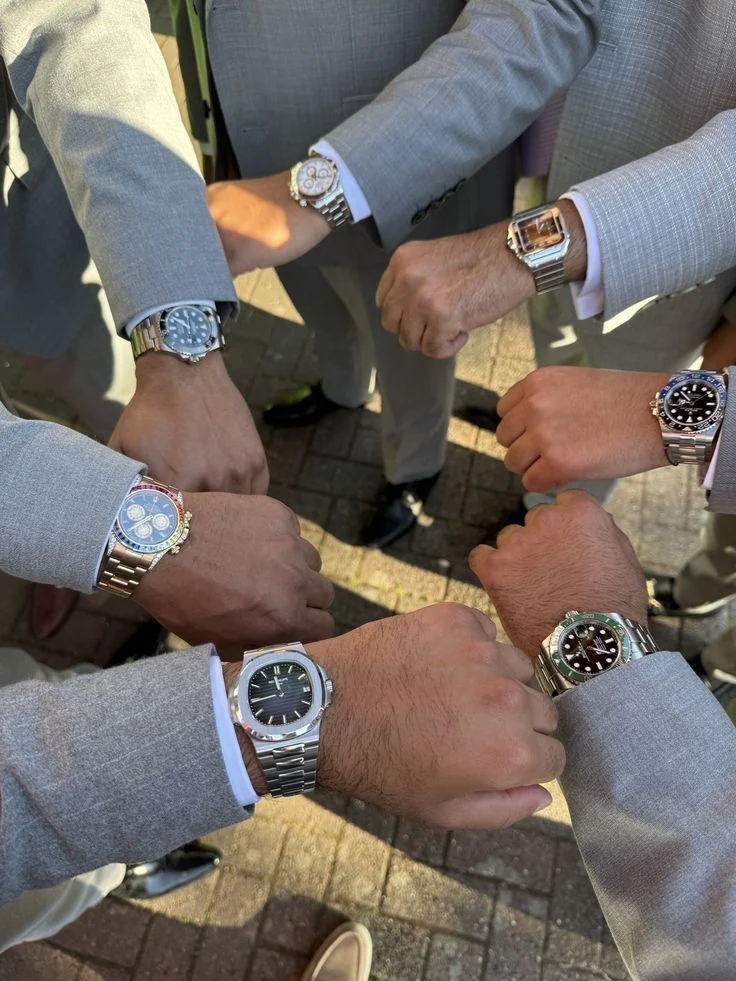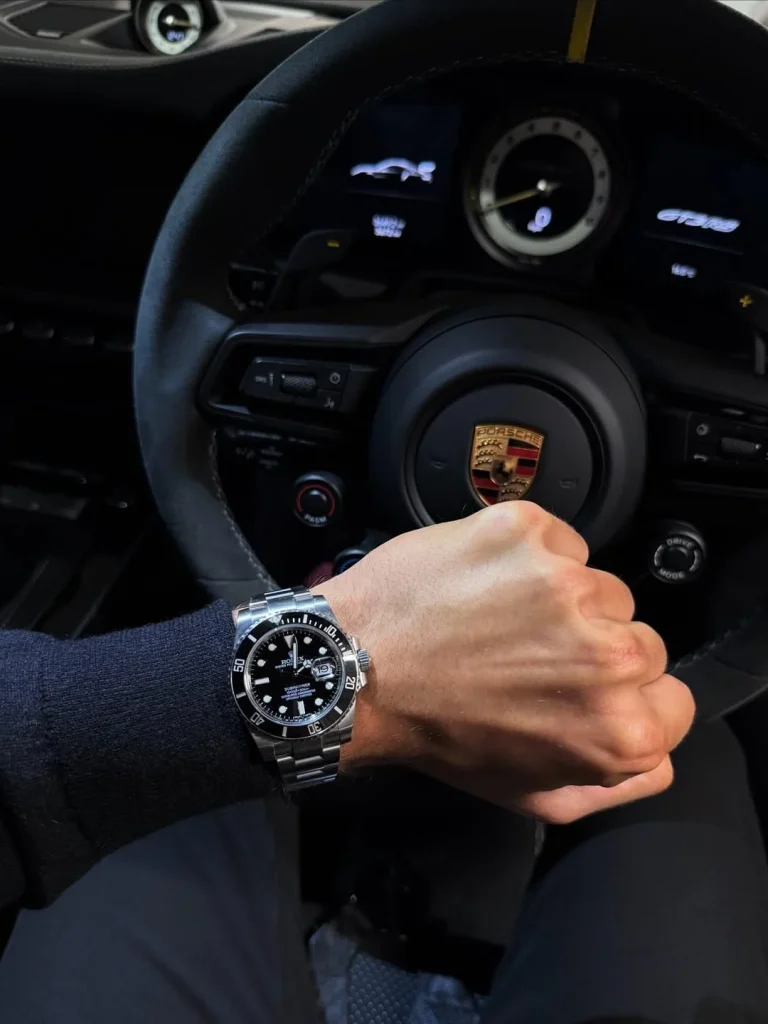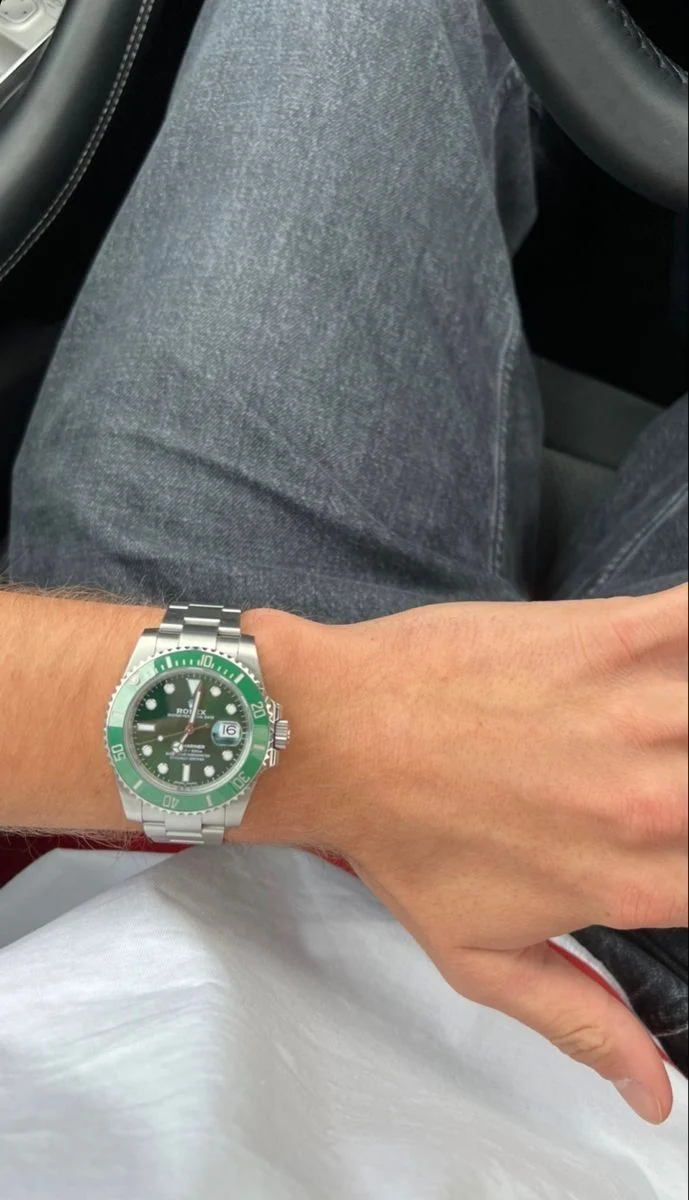
Direct answer summary: To know if a Rolex is authentic, combine visible checks (weight, dial quality, crown logo, cyclops magnification, bracelet and clasp markings, engraved rehaut/serial), functional checks (smooth sweep of the seconds hand, mechanical movement, bezel action, screw-down crown), documentation and provenance (original box, papers, service records), and—when in doubt—a professional inspection by a certified watchmaker or an authorized Rolex dealer. No single test is definitive; use multiple factors together.
Detailed explanation
Rolex is one of the most copied luxury watches, so authentication requires attention to small technical and visual details plus documentation. Modern Rolex watches have distinct manufacturing traits that are difficult and expensive for counterfeiters to perfectly reproduce. Start with basic visual cues and feel, then move to mechanical and mark-based checks. If you’re buying, insist on paperwork and a service history, and if uncertainty remains, have the case opened and the movement inspected by a trained watchmaker or an authorized Rolex service center. Professional verification is the only way to be 100% certain.
Key reasons / factors
- Weight and feel: Genuine Rolex watches feel substantial due to high-quality stainless steel (904L/now called Oystersteel), gold, or platinum. Counterfeits often feel lighter and cheaper.
- Movement and sweep: Rolex uses automatic mechanical movements (except vintage Quartz Oysterquartz models). The seconds hand should have a near-continuous smooth sweep. A quartz tick or rough stutter is a red flag.
- Dial printing and indices: The logo, font, and printing on a genuine Rolex are crisp with perfectly aligned indices and lume. Flawed or uneven printing indicates a fake.
- Cyclops magnification: On date models, the cyclops lens magnifies the date ~2.5x. Many fakes use weaker magnification or incorrectly positioned lenses.
- Micro-etched crown: Since ~2002, Rolex micro-etches a tiny crown at the 6 o’clock crystal—hard to reproduce accurately. It’s visible under magnification.
- Rehaut engraving and serial/model numbers: Modern Rolexes have the word “ROLEX” engraved repeatedly on the inner bezel (rehaut) and the serial number at 6 o’clock. Alignment and engraving quality matter.
- Case back: Most Rolex models have plain metal case backs. Clear, ornate, or engraved display backs are usually wrong unless it’s a special vintage or modified piece.
- Bracelet and clasp: Check end links, solid vs hollow links, clasp code/stamping, and overall finishing. Genuine Rolex bracelets are well-finished and secure; cheap linings or rough edges are suspect.
- Helium escape valve and bezel action: On specific models (e.g., Sea-Dweller), features like the helium escape valve and unidirectional bezel action are precise and robust—counterfeits often have sloppy mechanisms.
- Documentation and provenance: Original box, guarantee card/papers, purchase receipt, and service records increase confidence. However, counterfeiters can forge papers, so papers alone aren’t proof.
- Price and seller reputation: If the price is far below market, treat it as high risk. Buy from authorized dealers, reputable boutiques, or well-reviewed, established resellers with return policies.
Comparison
| Feature | Genuine Rolex | Fake/Counterfeit |
|---|---|---|
| Seconds hand motion | Smooth, near-continuous sweep (mechanical) | Stuttering or distinct ticking (often quartz) |
| Cyclops magnification | Approximately 2.5x and centered | Weak magnification (~1.2–1.5x) or misaligned |
| Rehaut and serial engraving | Sharp, aligned engraving; serial matches paperwork | Poor engraving, misalignment, or missing serials |
| Bracelet quality | Solid links, precise finish, correct clasp codes | Hollow/weak links, rough edges, incorrect stamps |
| Weight | Heavier due to quality materials | Often lighter and flimsy |
| Movement inspection | Factory Rolex movement with trademark engravings | Generic or incorrect movement, poor finishing |
Pros and Cons
- Pros of self-checks: Quick, free, and can spot obvious fakes (weight, dial, cyclops, sweep).
- Cons of self-checks: Skilled counterfeiters can reproduce many external features; visual checks aren’t definitive.
- Pros of paperwork and provenance: Good documentation supports authenticity and resale value.
- Cons of paperwork: Papers can be forged or separated from the watch; matching physical watch details to paperwork is essential.
- Pros of professional inspection: Opening the case and verifying the movement provides the highest confidence; authorized dealers provide warranty-quality verification.
- Cons of professional inspection: May require a fee and time, and an unauthorized seller may refuse to allow opening before sale.
FAQs
How important is the serial number for authenticating a Rolex?
The serial number is important but not decisive on its own. Match the serial and model numbers on the watch to the papers and the engraving on the case (rehaut or between the lugs on older models). Check that the serial range aligns with the watch’s production year. However, serials can be tampered with or replaced, so use this alongside other checks.
Can a smooth sweep guarantee a real Rolex?
No. A smooth sweep strongly suggests a mechanical movement like Rolex’s, but some high-quality counterfeits use aftermarket automatic movements that also sweep smoothly. Combine sweep observation with dial details, engravings, weight, and movement inspection for greater certainty.
Is the presence of the micro-etched crown at 6 o’clock conclusive proof?
It’s a strong indicator for models produced after the micro-etching was introduced (around 2002). However, counterfeiters have improved at reproducing this mark. Use it as part of a multi-point assessment rather than definitive proof.
Should I buy a vintage Rolex without papers?
Buying vintage Rolex watches without papers is common and acceptable if the watch’s physical characteristics match known examples for that reference, and if a reputable seller or watchmaker verifies the movement and case. Expect to pay for verification or servicing to confirm authenticity.
When should I get a professional inspection?
Get a professional inspection whenever you’re uncertain, when the price is significant, or if the seller can’t prove provenance. A certified watchmaker or an authorized Rolex service center can open the case, inspect the movement, and confirm serial/model authenticity.