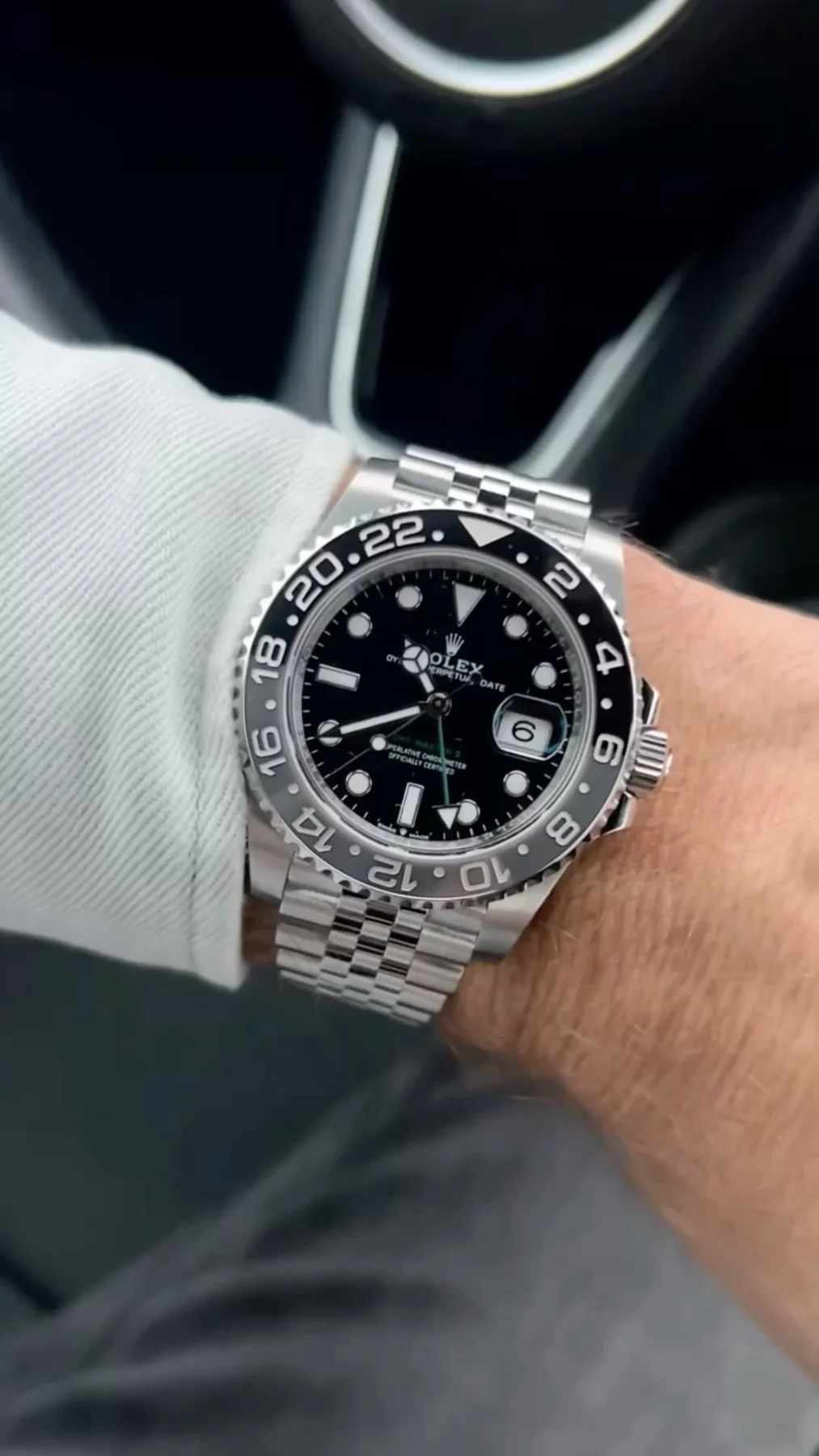
Direct answer: Most modern Rolex watches use a threaded screw-down case back that you can open with the correct tools—a Rolex/Jaxa-style case back opener or adjustable pin wrench—by unscrewing counterclockwise. While it is possible to open a Rolex case back at home using a friction ball or case wrench, doing so risks damaging seals, scratches, and voiding warranties; for best results and preserved water resistance, have an authorized watchmaker or Rolex service center remove the case back.
Detailed explanation
When people ask “how to open a Rolex watch back,” they usually mean how to remove the case back to access the movement or replace a battery (note: most Rolex mechanical watches do not have batteries). Rolex designs most of its modern watches with a threaded, screw-down case back—part of the Oyster concept—to ensure water resistance and durability. Opening a Rolex case back differs from opening a snap-on (press-fit) back: the screw-down requires a tool that engages the notches or grooves of the case back and turns it counterclockwise, while rare vintage Rolex models may have screw or snap styles that need different tools and techniques.
Before attempting to open a Rolex watch back, consider model-specific details: some vintage models have different back designs; certain Daytona and Sea-Dweller versions have thicker backs and stronger gaskets. The correct technique involves stabilizing the watch, using a case holder, selecting the right pins on a Jaxa-style wrench or a Rolex-specific case opener, and unscrewing with controlled, steady torque. After opening, inspect the gasket and movement environment—avoid touching internal parts and keep dust and moisture away. Reassembly must include a fresh case back gasket and proper torque to restore water resistance.
Key reasons / factors
- Case back type: Most modern Rolex watches have a screw-down case back; vintage models sometimes have snap-on or differently notched backs.
- Tools required: Jaxa/opening wrench with adjustable pins, case holder, friction ball (limited use), case knife (for vintage snap-backs), loupe, dust blower, new gaskets, silicone grease.
- Water resistance: Opening a Rolex back compromises factory seals; correct gaskets and torque are required to restore water resistance.
- Risk of damage: Scratching the polished case back, bending lugs, or contaminating the movement are real risks with improper technique.
- Warranty and authenticity: Unauthorized opening typically voids warranties and may affect resale value or originality.
- Skill level: Basic mechanical skill can handle unscrewing, but servicing the movement, re-greasing seals, and pressure testing require professional expertise.
Comparison
| Method | Tools | Ease | Risk | Results |
|---|---|---|---|---|
| Authorized Rolex service | Rolex tools, cleanroom, pressure tester | Easy for owner (send-in) | Low | Full service, preserved water resistance, warranty maintained |
| Jaxa / pin wrench (DIY) | Adjustable case back wrench, case holder | Moderate | Medium (scratches, gasket damage) | Access with care; gasket replacement recommended |
| Friction/rubber ball | Sticky rubber ball | Easy to try | Low to medium (limited effectiveness) | Works on lightly tightened backs; may slip |
| Case knife (vintage snap-backs) | Case knife, thin blade | Hard | High (prying damage) | Only for genuine snap-backs with a visible lip |
Pros and Cons
- Pros of opening at home:
- Immediate access for inspection or non-warranty tasks.
- Cost savings compared with sending to a service center for minor jobs (e.g., removing bracelet).
- Cons of opening at home:
- High risk of scratching or deforming the case back.
- Likely voiding of warranty and potential loss of water resistance.
- Incorrect gasket installation or torque can lead to moisture ingress and movement damage.
- Rolex-specific tools and experience are often required for safe reassembly.
FAQs
Can I open my Rolex watch back at home?
Yes, you can physically open many Rolex case backs at home using a Jaxa-style wrench or friction ball, but it is not recommended unless you have the correct tools, steady skill, and accept the risk of damaging seals or scratching the watch. For any warranty-covered or water-resistance critical work, send it to an authorized Rolex service center.
What tools do I need to remove a Rolex case back safely?
The typical tools are an adjustable case back wrench (Jaxa) with correctly sized pins, a soft case holder to protect the case, tweezers, loupe, and replacement gaskets. For some vintage models, a thin case knife is necessary for snap-backs. Never use improvised pliers or screwdrivers that can slip and damage the finish.
How do I preserve water resistance after opening a Rolex back?
Replace the case back gasket with a new, correct-size gasket, lightly coat it with silicone grease, and tighten the case back to the proper torque specification. Ideally, have the watch pressure tested by a professional—this is the only reliable way to confirm restored water resistance.
Are there Rolex models that are easier or harder to open?
Sea-Dweller, Deepsea, and some professional models have thicker backs and stronger sealing systems, making them harder to open and reseal. Vintage models with snap-on backs require different skills and are riskier to pry open. Oyster cases with screw-down backs are common and require the appropriate pin alignment on a wrench.
What should I do if the case back is stuck?
If the case back won’t budge, don’t force it. Apply penetrating lubricant briefly around the back edge (carefully), use a better-fitting wrench or friction ball, or consult a professional. Excessive force can strip the back or damage the case.