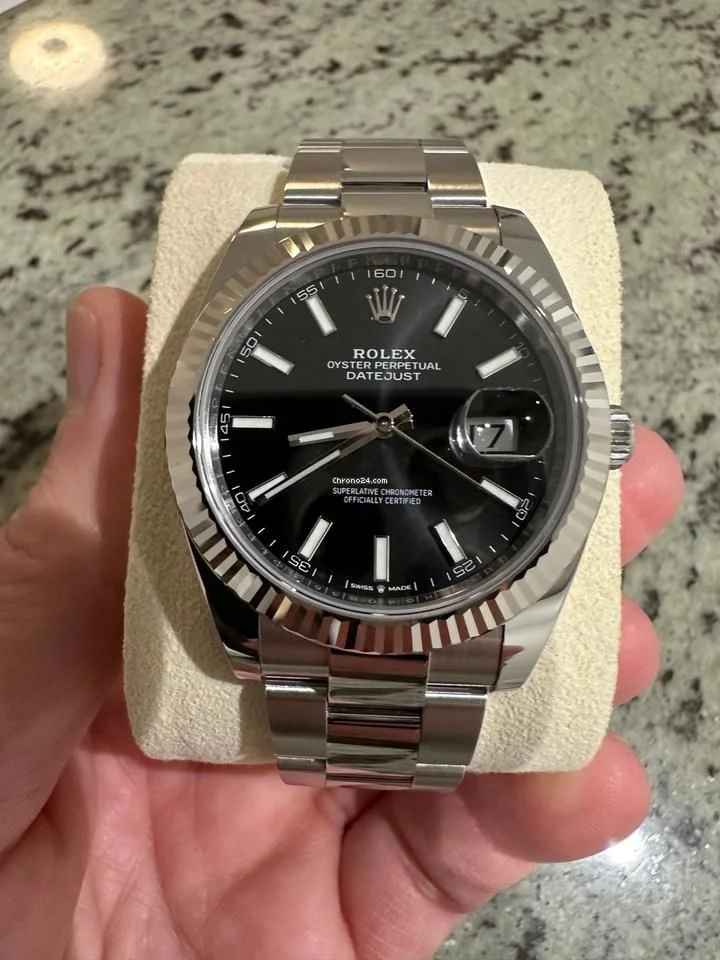
If you need to remove a Rolex bracelet, the direct answer is: prepare a clean, soft workspace and use the correct tools — primarily a spring bar tool and the correct flat-head screwdriver (usually around 1.4–1.6 mm for Rolex screws) — then carefully release the spring bars or unscrew the end-link screws depending on your bracelet type. Work slowly, keep small parts secure, and consider a professional service for complicated models or if you are unsure.
Detailed explanation
Removing a Rolex bracelet can mean one of two things: detaching the bracelet from the watch case, or removing links to size the bracelet. Rolex bracelets attach to the case and to each other in a few common ways: spring bars, screw pins, or specialized systems like Glidelock on dive models. The safest general approach is to identify the connection type first, gather the right tools, and follow careful, step-by-step technique to avoid scratching the case, losing screws, or damaging spring bars.
Step-by-step overview for detaching the bracelet from the case:
- Prepare your workspace: lay a soft, lint-free cloth on a flat table and work in good light. Use a small parts tray or container to hold screws and links.
- Open the clasp and lay the watch face down on the cloth so the caseback is down and the bracelet flares out. This stabilizes the watch and reduces risk of slipping.
- Identify the connection: look at the end link where it meets the case. If you see tiny screws on the side of the end link, the bracelet uses screw bars; if there’s a narrow gap with a spring bar flange visible, it’s a spring bar setup.
- If it’s a spring bar: use the forked end of a spring bar tool to compress the spring bar inward. Gently lever the end link away from the lug until the bar clears the lug hole. Repeat on the other side.
- If it’s a screw bar: use the correct-size high-quality flathead screwdriver to turn the screw counterclockwise until it loosens sufficiently. Keep steady downward pressure and avoid camming. Remove the screw and retain it safely; the bar or screw will come out and the bracelet will separate from the lug.
- When removing links to adjust size: unscrew the link screws (not the tiny clasp micro-adjust screws) one at a time. Turn slowly, store screws and pins in order, and remove only symmetric links so the clasp stays centered.
- Reattach by reversing the steps: seat spring bars in place or insert the screw/bar and torque gently until snug. For link screws, tighten carefully — do not over-torque as you can strip the screw head or thread.
Always inspect spring bars and screws for wear. Replace damaged spring bars and stripped screws — cheap replacements can fail. After any reassembly, check that the bracelet is secure and that the clasp functions properly.
Key reasons / factors
- Bracelet type: Oyster, Jubilee, President and integrated bracelets differ in end-link design, which determines whether you use spring bars or screws.
- Tool quality: Proper screwdrivers (not generic multi-bit sets) and a spring bar tool reduce risk of damage.
- Experience level: Skilled hands reduce slip and scratches; unfamiliar users may prefer a watchmaker.
- Condition of hardware: Old, corroded, or stripped screws require special care or replacement.
- Model-specific systems: Submariner/Sea-Dweller Glidelock and some modern bracelets have unique micro-adjustments and require careful technique.
Comparison
- Spring bar removal — Quick and common on many Rolex models; needs a spring bar tool. Less risk of losing screws but spring bars can pop and get lost if not controlled.
- Screw bar removal — Uses small flathead screws; needs precise screwdrivers and steady hands. Screws are easier to keep track of but are vulnerable to stripping if the wrong tool or poor technique is used.
- Glidelock and micro-adjust systems — Designed for tool-free micro-adjustments on the clasp but still require tools and care to remove the entire bracelet or adjust link count safely.
- Professional service — Bench service by a Rolex-authorized or competent independent watchmaker ensures no warranty issues and reduces risk, but costs more and takes time.
Pros and Cons
- Pros of DIY removal: immediate control, no service fee, learn your watch, convenient for quick sizing or strap swaps.
- Cons of DIY removal: risk of scratching the case or bracelet, losing or damaging tiny screws/spring bars, possible voiding of warranty if damaged, may require replacement parts.
- Pros of professional service: safe, clean, often includes polishing and checking for wear, warranty-safe if done by authorized center.
- Cons of professional service: cost and turnaround time, less immediate control if you prefer to do it yourself.
FAQs
Can I remove a Rolex bracelet at home?
Yes, you can remove a Rolex bracelet at home if you have the right tools (spring bar tool, correct flathead screwdriver) and steady hands. However, if the screw heads are worn, the parts are corroded, or you’re nervous about damaging the watch, take it to a professional.
What tools do I need to remove Rolex links and the bracelet?
Essential tools include a high-quality set of small flathead screwdrivers (commonly around 1.4–1.6 mm for Rolex screws), a spring bar tool with a forked end, a soft cloth or watchmaker’s pad, a loupe or magnifier, and a small parts tray to store screws and links.
Will removing the bracelet void my warranty?
Simply removing the bracelet for sizing or strap swaps does not automatically void Rolex warranty, but damage caused by improper handling could affect coverage. If the watch is under active warranty, consider an authorized service center for any work you’re unsure about.
How do I know whether my Rolex uses screws or spring bars?
Inspect the end link where it meets the lug. Visible screw heads on the sides indicate screw bars; a smooth end link with small spring-bar flange or groove usually indicates spring bars. If in doubt, consult model-specific documentation or a watchmaker.
Any tips to avoid scratches and lost parts?
Work on a soft pad, use non-slip tweezers or a parts tray, ensure good lighting, use the correct-size driver and maintain steady pressure, and consider putting a piece of tape over the lug to protect the case while levering spring bars.