Short answer: To sell your Rolex watch for the best price, verify authenticity and service history, gather original box and papers, clean and photograph the watch well, research comparable market prices, then choose the optimal sales channel—private sale, reputable dealer, consignment house, auction, or specialized online buyer—based on your priorities for price, speed, and security.
Detailed explanation
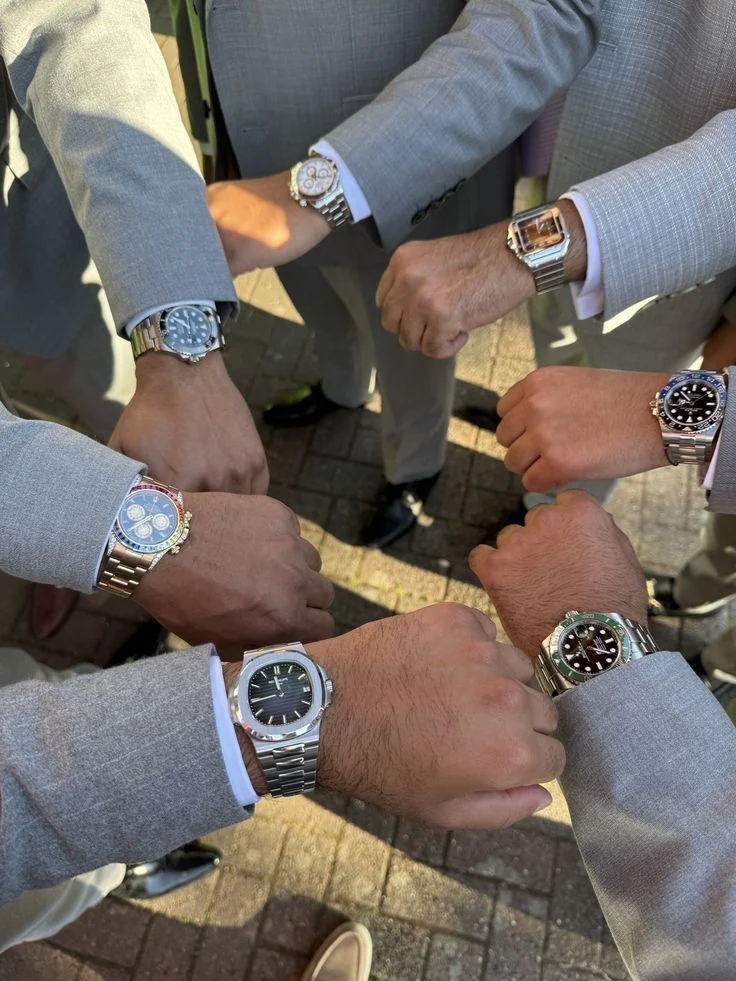
Selling a Rolex involves preparation, research, and selecting the right route to market. The goal is to maximize value while minimizing risk and hassle. Start by confirming the model, reference/serial numbers, and any service or repair records. The most sought-after models (e.g., Submariner, Daytona, GMT-Master II) typically command stronger resale prices, but condition, service history, original box and papers, and rarity significantly affect value.
Next, determine how quickly you want to sell and how much effort you’ll put into the sale. Private sales or peer-to-peer platforms can yield the highest prices but require time and careful vetting of buyers. Selling to a dealer or a watch buyer is faster and more convenient but often results in a lower net price due to wholesale margins. Consignment at a reputable retailer or auction house can strike a balance—potentially higher sale price with fees and longer wait time.
Presentation matters: detailed, high-quality photos, a clear description of condition, accurate measurements, and honest disclosure of any aftermarket parts or damage build buyer confidence and reduce returns. Be realistic about the watch’s condition and set a target price range (ideal, expected, and minimum acceptable). For security, prefer insured shipping, bank transfers, escrow services, or in-person transactions at a recognized location like a bank branch or a jeweler for high-value exchanges.
Key reasons / factors
- Model and Rarity: Some Rolex references are consistently in high demand and hold value better (e.g., Daytona, Submariner, GMT). Limited editions and discontinued references can fetch premiums.
- Condition: Dial, hands, case, bezel insert, and bracelet stretch or damage materially affect price. Original, unpolished cases often attract collectors.
- Box & Papers: Original box, warranty card/certificate, receipts, and service records increase buyer confidence and value.
- Service History: Recent service by an authorized Rolex service center or reputable watchmaker adds value, especially if documented.
- Market Demand & Timing: Prices fluctuate; research recent sold listings and market trends before listing.
- Authenticity & Provenance: Buyers prefer verified authenticity and clear ownership history—avoid sales that appear suspicious.
- Sales Channel: Private sale vs dealer vs auction vs online buyer affects net proceeds, fees, convenience, and security.
Comparison
| Sales Channel | Typical Net Price | Speed | Risk / Hassle | Fees |
|---|---|---|---|---|
| Private sale (online classifieds / forums) | Highest (if buyer is private collector) | Variable (days–weeks) | Higher (needs vetting, escrow recommended) | Low (platform fees may apply) |
| Authorized or independent dealer | Moderate to low (trade-in or buyout) | Fast (same day to few days) | Low (professional, secure) | Minimal to moderate (built into offer) |
| Consignment (retailer or specialist) | High (market price achievable) | Slow (weeks–months) | Low (retailer handles sale) | Commission (10–25%) |
| Auction House | Potentially high (if rare) or variable | Scheduled (weeks–months) | Moderate (auction fees, reserve prices) | High (buyer & seller fees apply) |
| Pawn or quick buyout services | Lowest | Immediate | Low (fast, simple) | Built into low offer |
Pros and Cons
- Private sale
- Pros: Highest potential price, control over negotiation.
- Cons: Time-consuming, security risks, need to handle transactions and shipping.
- Dealer / watch buyer
- Pros: Fast, secure, less hassle.
- Cons: Lower payout due to dealer margin.
- Consignment
- Pros: Professional marketing, potential for strong sale price.
- Cons: Commission fees, longer wait.
- Auction
- Pros: Good for rare pieces, potential for competitive bidding.
- Cons: Fees can be high, unpredictable results.
- Pawn / instant buy
- Pros: Immediate cash, simple.
- Cons: Significantly lower valuation.
FAQs
How do I find the value of my Rolex?
Research recent sold listings for your specific reference and condition on marketplaces and specialist platforms. Compare examples with similar condition, box/papers, and service history. Consider getting a professional appraisal or dealer estimate to set realistic expectations.
Do I need the original box and papers to sell my Rolex?
Original box and papers typically increase resale value and buyer confidence. A complete set can add a noticeable premium; however, watches without them still sell—value depends more on model and condition.
Is it better to sell to a dealer or privately?
It depends on your priorities. Sell privately for potentially higher proceeds if you can manage listings, vet buyers, and handle secure payments. Choose a reputable dealer for speed, convenience, and reduced risk but accept a lower offer.
How do I protect myself from scams when selling a Rolex?
Use secure payment methods (bank transfer, escrow), confirm buyer identity, avoid shipping before funds clear, insure shipments, and prefer in-person transactions at safe locations. For large sales, use an escrow service or sell via a trusted platform.
Should I service my Rolex before selling?
A recent documented service can increase buyer confidence and sale price, but weigh expected cost versus uplift. Minor servicing or authentication might be worthwhile; a full service from Rolex can be expensive, so obtain estimates first.