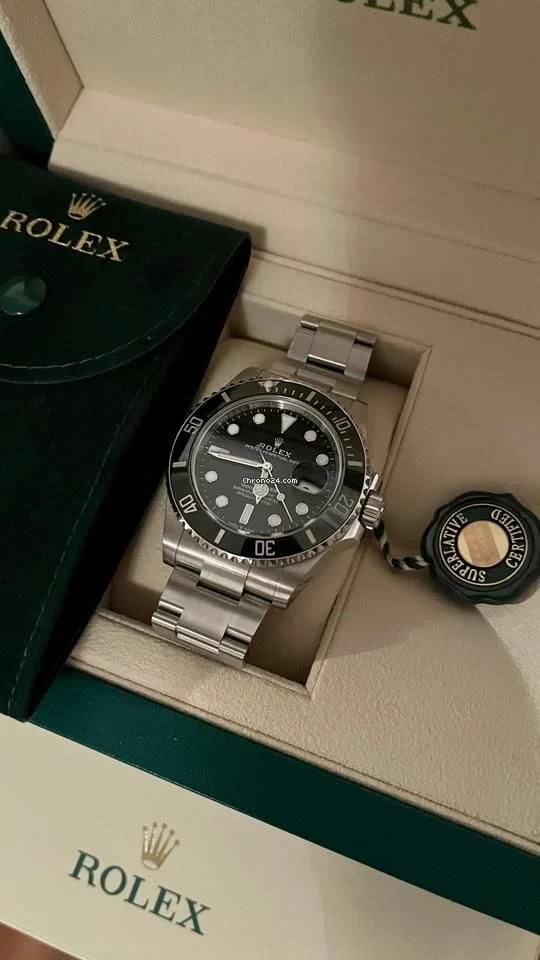
Direct answer: To set the date on a Rolex, first unscrew the crown, wind if necessary, pull the crown to the first or second position depending on your model (first for quickset date, second for time-setting on non-quickset models), advance the date using the quickset or by moving the hands past midnight, ensure the watch is set to the correct AM/PM cycle, then push the crown back in and screw it down to restore water resistance. Avoid changing the date between about 8:00 PM and 4:00 AM to prevent damage to the date-change mechanism.
Detailed explanation
Rolex watches have robust mechanical movements, but date-setting procedures differ by movement and model. Most modern Rolex models (Datejust, Submariner Date, GMT-Master II, Sea-Dweller, etc.) feature a quickset date function: with the crown pulled to the first detent (position), rotating the crown advances the date independently of the hour hand. Older models without quickset require you to advance the hour and minute hands repeatedly past midnight to change the date.
Step-by-step for a typical modern Rolex with a screw-down crown and quickset date:
- Unscrew the crown: Turn the crown counterclockwise until it pops free from the case threads. Do this gently; do not force it.
- Wind the movement (optional but recommended): In the first position (crown out one click if it’s a non-quickset or fully pushed in for some models), wind clockwise about 20–40 turns to ensure enough power reserve for accurate setting.
- Pull to the date-setting position: For quickset models, pull the crown to the first click (one detent). For models that require setting the time to change date, pull to the second click.
- Set the date: If in quickset position, rotate the crown clockwise (usually) until the correct date appears. If your model lacks quickset, pull to time-setting position and advance the hands past midnight until the date clicks, repeating until the desired date is reached.
- Confirm AM/PM: If you’re setting both time and date, move the hour hand forward past 12 to determine AM/PM and ensure the date changes at midnight, not noon.
- Return crown and secure: Push the crown back in to the case and screw it down clockwise until snug to maintain water resistance.
Important tip: Never change the date when the watch indicates a time in the typical date-change window (roughly 8:00 PM to 4:00 AM). During these hours the date-change gears are engaged and manually forcing the date can damage the mechanism.
Key reasons / factors
- Movement type: Quickset vs non-quickset movements determine whether the date advances independently or via hand rotation.
- Crown design: Screw-down crowns must be unscrewed first to access setting positions; always reseal to protect water resistance.
- AM/PM cycle: Ensuring the correct 12-hour cycle prevents the date from changing at noon instead of midnight.
- Date-change window: Avoid setting the date during the engagement period (approx. 8 PM–4 AM) to prevent gear damage.
- Model-specific features: Day-Date models include a day wheel; GMT models have independent hour hands that affect how you set local date/time.
- Power reserve: A fully or sufficiently wound movement improves accuracy while setting.
Comparison
Quickset vs Non-Quickset:
- Quickset: Date can be changed quickly using the crown in one detent. Faster, easier, and less wear on the movement when done correctly. Found on most modern Rolexes (modern Datejust, Submariner Date, GMT-Master II).
- Non-Quickset: Requires advancing the hour hand through midnight repeatedly until the desired date is reached. Slower and more tedious, but unavoidable on vintage and some older Rolex references.
Standard Date vs Day-Date vs GMT:
- Date-only models: Simple date wheel; follow quickset instructions if present.
- Day-Date models: Have both day and date wheels; day often changes via additional crown turns or setting positions—consult manual for model-specific sequence.
- GMT models: Many modern GMTs allow independent quickset of the local hour hand, so you can change the local date quickly without disturbing the minute/second hands or home time—useful for travel.
Pros and Cons
- Pros:
- Quickset provides fast, safe date changes when used correctly.
- Following proper procedure preserves movement longevity and water resistance.
- Understanding AM/PM avoids incorrect date cycles and confusion.
- Cons:
- Changing the date during the danger hours can damage the mechanism and require costly service.
- Older non-quickset watches are time-consuming to set.
- Improper re-sealing of the crown can compromise water resistance.
FAQs
How do I know if my Rolex has a quickset date?
Check the crown positions: if pulling the crown to the first click advances the date without moving the hour hand, it’s a quickset. You can also consult your model’s reference number and Rolex documentation or ask an authorized dealer. Most Rolex watches produced since the late 1970s/1980s include some form of quickset.
What happens if I change the date around midnight?
Forcing the date during the date-change window (roughly 8 PM to 4 AM) risks bending or breaking the date-change teeth and levers. If you suspect damage, stop using the crown and take the watch to an authorized service center.
Can I set the date by turning the hands backward?
Rolex generally recommends advancing the hands forward to change the date, especially on older models. Some modern movements tolerate backward hand setting, but to be safe, advance forward through midnight. Consult your model manual for specifics.
Do I need to wind my Rolex before setting the date?
It’s good practice to wind the watch (about 20–40 turns) if it hasn’t been running. A stable power reserve ensures the movement keeps accurate time and reduces the chance of slipping gears while setting.
Is it safe to set the date on a Rolex myself or should I go to a dealer?
Setting the date yourself is safe if you follow the correct procedure: unscrew the crown, avoid the date-change window, use quickset if available, and reseal the crown. If you’re unsure of your model or hear unusual resistance while setting, take it to an authorized Rolex service center to avoid accidental damage.