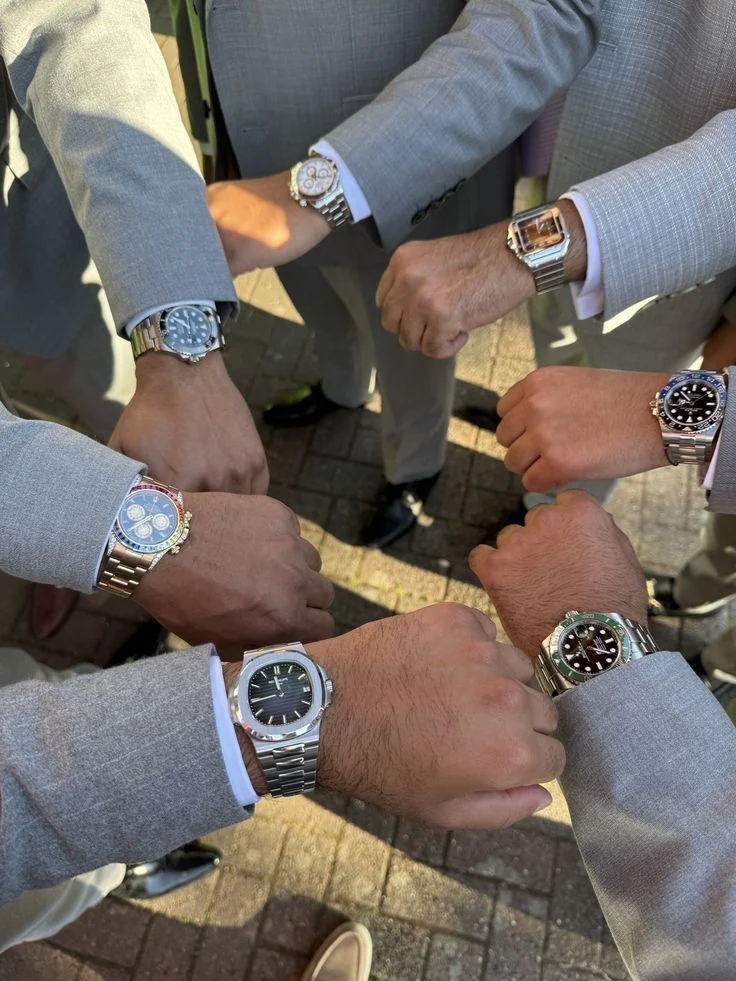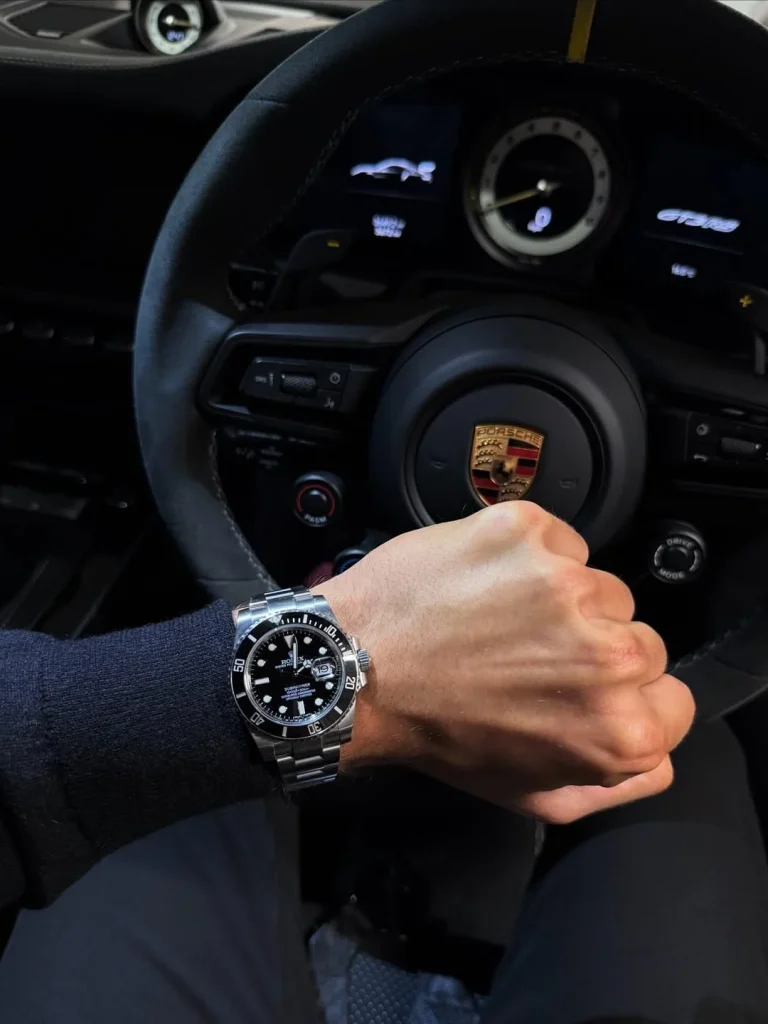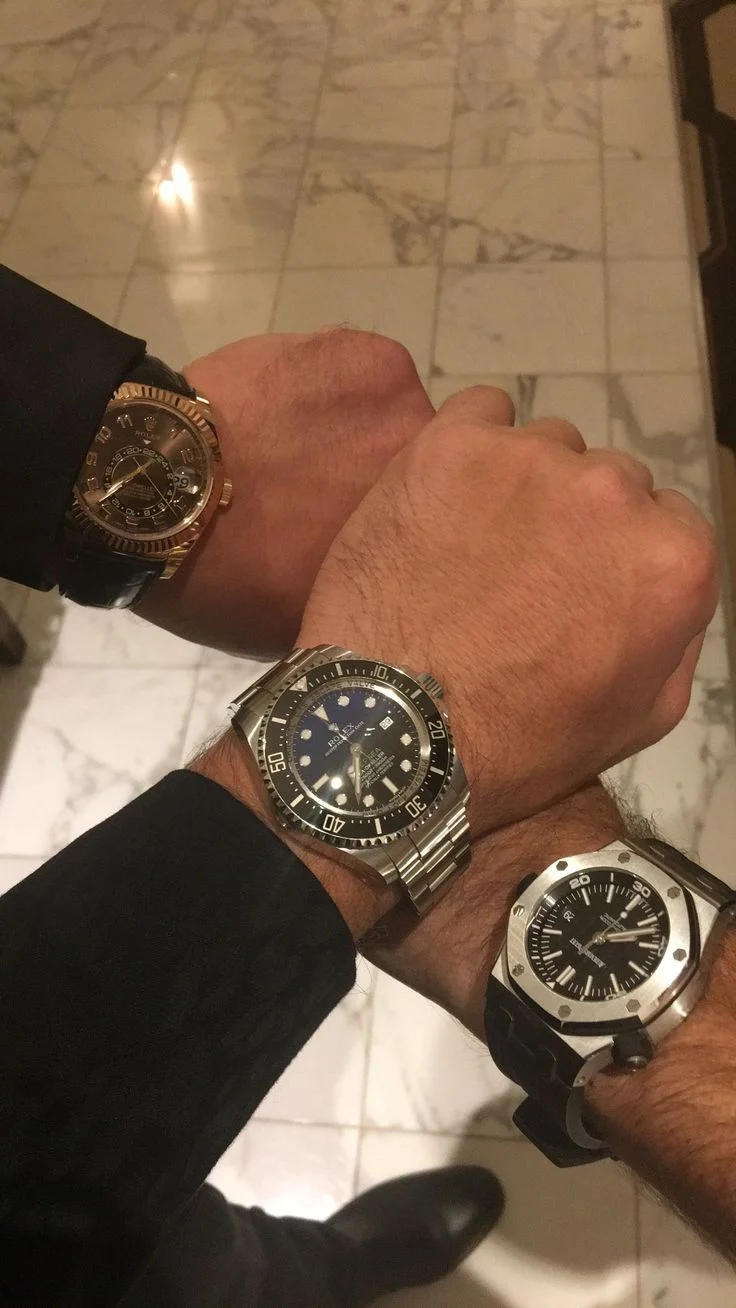
Direct answer: The fastest way to tell if a Rolex is authentic is to combine visible checks — weight, finishing, dial printing, date magnification, serial/model numbers and the laser-etched crown — with an inspection of the movement by a qualified watchmaker or authorized dealer; a professional case-open inspection of the movement is the most definitive test.
Detailed explanation
Rolex is one of the most widely counterfeited luxury watch brands, and modern fakes range from crude replicas to high-quality clones that can fool non-experts. A reliable authentication strategy uses multiple factors instead of a single “tell.” Start with exterior symptoms: an authentic Rolex will feel solid and well finished, have crisp, perfectly aligned printing on the dial, smooth edges, and a consistent weight relative to the model. Look closely at the date magnifier (the Cyclops) — genuine Rolex magnifies the date roughly 2.5x, centered in the window. Examine the crown, case back, bracelet, end links and clasp for precision machining, tight tolerances and correct hallmarks or model engravings.
Next, verify service history, original box and papers, and the serial/model numbers. For modern Rolexes, the serial number is engraved on the rehaut (inner bezel) and the case between the lugs on older watches. Compare those numbers to Rolex records or an authorized dealer. Finally, the most conclusive test is movement inspection: Rolex movements have characteristic finishing, the brand’s rotor, and official markings. Only an experienced watchmaker should open the case back to avoid damage — once opened, the movement, case markings and reference numbers give near-certain confirmation of authenticity.
Key reasons / factors
- Weight and feel: Genuine Rolex watches use solid metals and precise construction; fakes often feel lighter or hollow.
- Movement quality: Rolex uses in-house mechanical movements with smooth second-hand sweep and specific finishing; quartz or coarse movements are red flags.
- Dial printing and lume: Text, logo and indexes are razor-sharp and evenly applied on authentic dials; luminous material glows consistently under low light.
- Date magnification (Cyclops): Authentic Cyclops magnifies ~2.5x and centers the date clearly; poor magnification or off-center date indicates a fake.
- Serial and model numbers: Check engravings for depth, font and placement; compare to Rolex records or a trusted database.
- Rehaut engraving and laser-etched crown: Many modern Rolex models have the Rolex name engraved on the inner bezel and a tiny laser-etched crown at 6 o’clock on the crystal.
- Case back: Most Rolex models have a smooth, unmarked case back—transparent or decorated case backs on common models are usually aftermarket or fake.
- Bracelet and clasp: Authentic bracelets use solid links, precise end links, stamped or engraved clasp codes and consistent finishes; sloppy screws or cheap pins suggest counterfeit.
- Price and source: An offer that’s well below market value or a seller without verifiable reputation increases the likelihood of a fake.
- Documentation and service records: Original warranty card, purchase receipts, and authorized service records add strong evidence of authenticity.
Comparison
| Feature | Authentic Rolex | Common Fake |
|---|---|---|
| Weight | Heavier, balanced | Often lighter, hollow |
| Movement | In-house mechanical movement, smooth sweep | Quartz or low-quality mechanical, ticking second hand |
| Dial & printing | Sharp, even printing; perfect lume | Smudged text, uneven lume |
| Date magnifier (Cyclops) | ~2.5x magnification, centered | Poor magnification, off-center |
| Engravings/serials | Deep, precise engravings; correct fonts | Shallow, uneven, wrong fonts |
| Case back | Usually smooth; model-specific exceptions | See-through or decorated backs on common models |
Pros and Cons
- Pros of doing basic checks yourself: Quick, free, and you can filter obvious fakes before paying for professional help.
- Cons of DIY-only authentication: High-quality counterfeits can pass visual checks; opening cases yourself risks damage and voids warranties.
- Pros of professional authentication: Definitive result from an experienced watchmaker or authorized dealer; access to movement inspection and Rolex verification.
- Cons of professional authentication: Costs money and may take time; some sellers refuse to let third parties open a watch before sale.
FAQs
Can serial numbers be faked or removed?
Yes. Counterfeiters sometimes laser-etch fake serials or alter existing numbers. Older watches with removed serials are suspicious. Compare numbers to paperwork and have a professional inspect the case and movement markings; inconsistent or crudely altered engravings are a major warning sign.
Is the tiny laser-etched crown at 6 o’clock a reliable sign?
The micro crown etched into the crystal of modern Rolexes is a useful indicator, but it can be replicated. Its presence supports authenticity, but absence doesn’t prove a fake for older models made before this security feature. Always combine this check with others.
How much does professional authentication cost and who should I trust?
Costs vary: a trusted watchmaker or independent authentication service may charge a modest fee (often $50–$200) while dealer verification can be higher or might require purchase. Use reputable, certified watchmakers, independent services with references, or authorized Rolex dealers for the most reliable result.
Can online pictures reliably confirm authenticity?
High-resolution photos help but have limits. Photos can be manipulated or staged. Use multiple clear images (dial close-up, case back, clasp, serial numbers, movement if possible) and compare to known genuine examples, but request professional inspection before finalizing costly purchases.