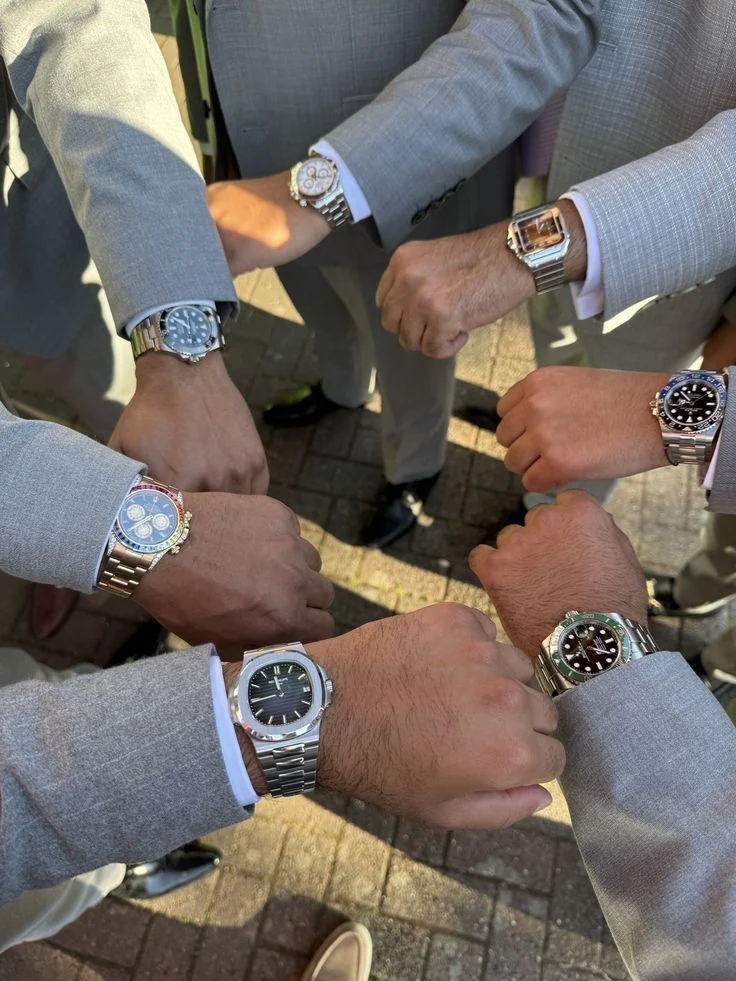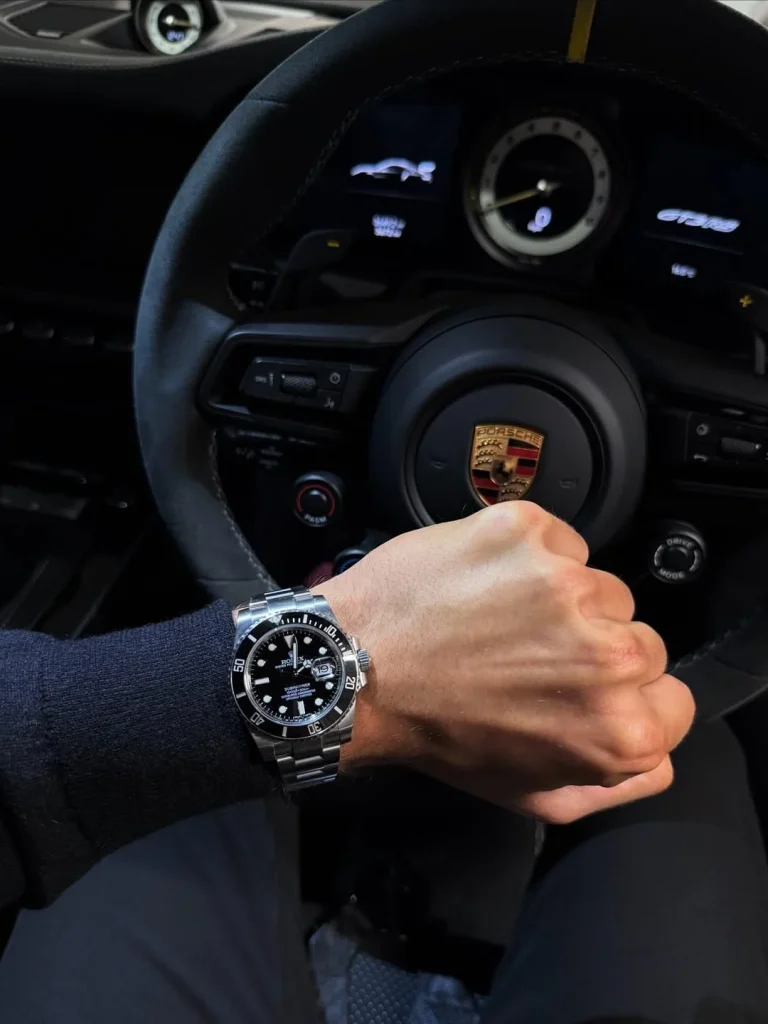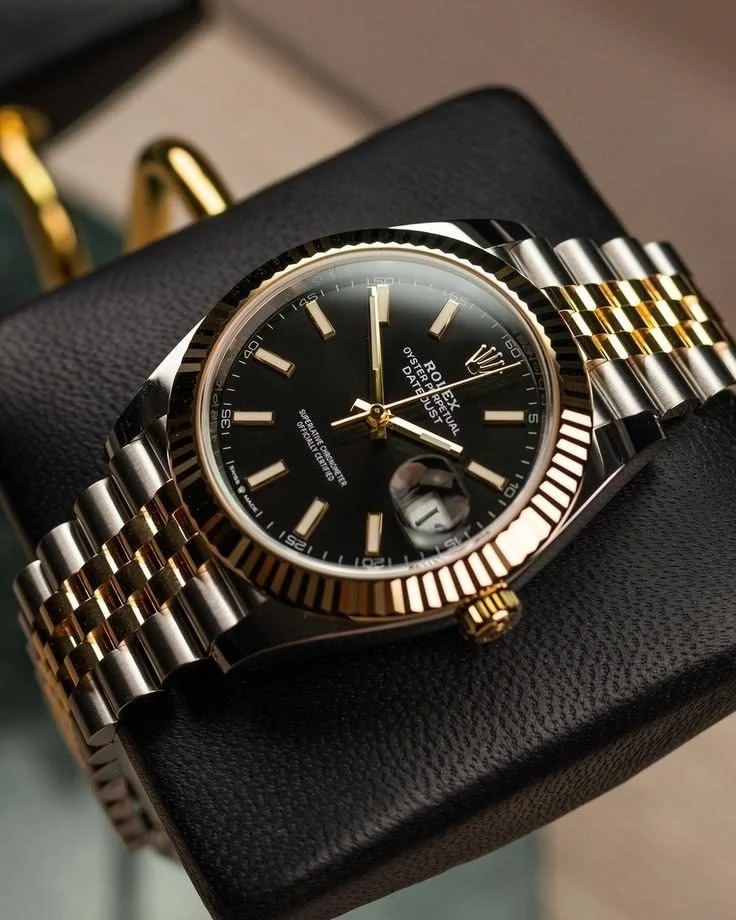
Rolex are Swiss-made luxury wristwatches produced by Rolex SA, a historic and influential watchmaker known for robust, precision mechanical watches, iconic models (like the Submariner, Datejust and Daytona), high resale value, and numerous technical innovations in waterproofing, chronometry and materials.
Detailed explanation
When people ask “what are Rolex” they usually refer to Rolex watches as a category: high-end, precision-built timepieces that combine engineering, durable materials and strong brand identity. Rolex began as Wilsdorf & Davis in London in 1905 and adopted the name Rolex in 1908; the company later moved headquarters to Geneva, Switzerland. Over more than a century Rolex made a name for itself by introducing practical innovations—most famously the Oyster waterproof case (1926), the Perpetual self-winding rotor (1931) and robust chronometer-certified movements.
Rolex makes predominantly mechanical watches (automatic movements) with an emphasis on reliability, legibility and everyday durability rather than ultra-complicated haute horlogerie. The brand produces its own movements in-house, applies strict testing, and often sends models for COSC chronometer certification. Rolex is also known for using specialized materials (Oystersteel, 18k gold, Rolesor combinations, Cerachrom ceramic bezels) and proprietary bracelet and clasp designs (Oyster, Jubilee, President), which contribute to both aesthetics and longevity.
Beyond the engineering, Rolex built a global reputation through consistent design language and smart marketing. Models like the Submariner (diver), GMT‑Master (pilot/traveler), Day‑Date (executive) and Daytona (racing chronograph) have become cultural icons. The brand is also notable for its controlled distribution, limited production capacity relative to demand, and a secondary market that often assigns premium values to certain references and rare pieces.
Key reasons / factors
- Heritage and history: Over a century of continuous operation and visible milestones in watchmaking.
- Technical innovation: Pioneering waterproof cases, automatic winding and long-lasting movements.
- In-house manufacturing: Movements, cases and many components are made and regulated by Rolex.
- Materials and finishing: Use of corrosion-resistant Oystersteel (904L), proprietary alloys and ceramic bezels.
- Design consistency: Timeless silhouettes that change slowly, maintaining strong brand recognition.
- Resale and investment potential: Strong secondary market prices for certain models and limited editions.
- Distribution and scarcity: Controlled supply, authorized dealer networks and waiting lists for popular models.
- Service and warranty: Global after-sales service network and standardized servicing procedures.
Comparison
| Brand | Typical Price Range (new) | Positioning | Strengths |
|---|---|---|---|
| Rolex | $6,000–$50,000+ (steel to precious metal/complications) | Luxury, durable tool watches with strong resale | Brand recognition, reliability, resale value |
| Omega | $3,000–$20,000 | Accessible luxury, technical innovation (Co‑Axial) | Value for money, technology, variety |
| Patek Philippe | $20,000–$Millions | Haute horlogerie, artisanal finishing, collectible | Complications, prestige, investment potential |
| Audemars Piguet | $25,000–$Millions | High-luxury sports and dress watches | Design cachet (Royal Oak), limited production |
Pros and Cons
- Pros:
- Exceptional brand recognition and prestige.
- Durable, well-engineered movements and cases suitable for everyday wear.
- Strong resale values for many steel sports models and rare references.
- Wide global service network and standardized maintenance practices.
- Iconic designs with broad collector and mainstream appeal.
- Cons:
- High purchase price compared with many competitors in terms of features/complications.
- Long waiting lists and limited availability for popular stainless-steel sports models.
- Perception of being a status symbol can attract superficial interest rather than horological appreciation.
- Less focus on haute horlogerie finishing and extreme complications than independent high-end makers.
- Aftermarket premiums can make buying new more expensive than second-hand in some cases.
FAQs
1. What makes a Rolex valuable?
Value is driven by a combination of brand recognition, material quality, in-house movements, model desirability, production limits and historical significance. Certain references (vintage or limited) and steel sports models often command premiums on the secondary market.
2. Are all Rolex watches mechanical?
Historically Rolex produced both mechanical and quartz watches (e.g., the Oysterquartz), but the brand’s modern lineup focuses almost exclusively on mechanical automatic movements with very few exceptions in vintage models.
3. Is a Rolex a good investment?
Some Rolex models (notably certain Submariner, Daytona and GMT‑Master references) have shown strong appreciation and can be considered investment-grade by collectors. However, investment outcomes vary—buying what you love and maintaining good service records is the safest approach.
4. How can I tell if a Rolex is authentic?
Authentication includes checking movement serial numbers, model references, engraving quality, dial printing, weight, materials (e.g., Oystersteel), and service history. Buying from authorized dealers or reputable secondary dealers and getting a professional inspection reduces the risk of counterfeits.
5. What is the difference between “Rolex” and “Rolex Oyster”?
“Rolex” is the brand name; “Oyster” refers to Rolex’s patented waterproof case introduced in 1926. Many Rolex models use the Oyster case, but “Oyster” specifically highlights the water-resistant construction.