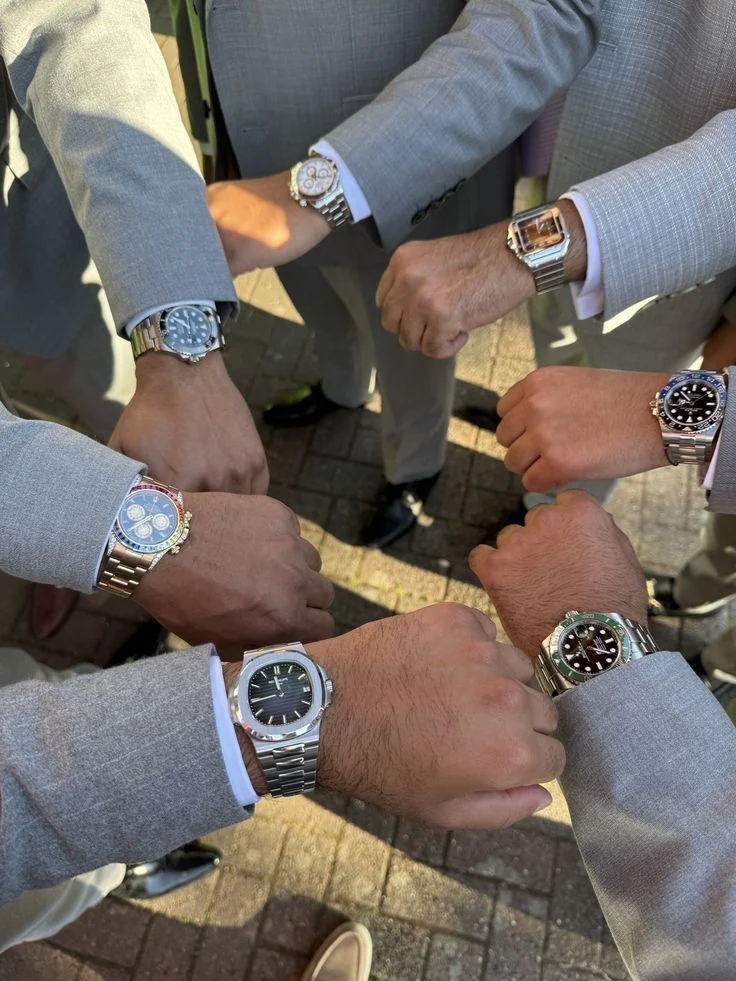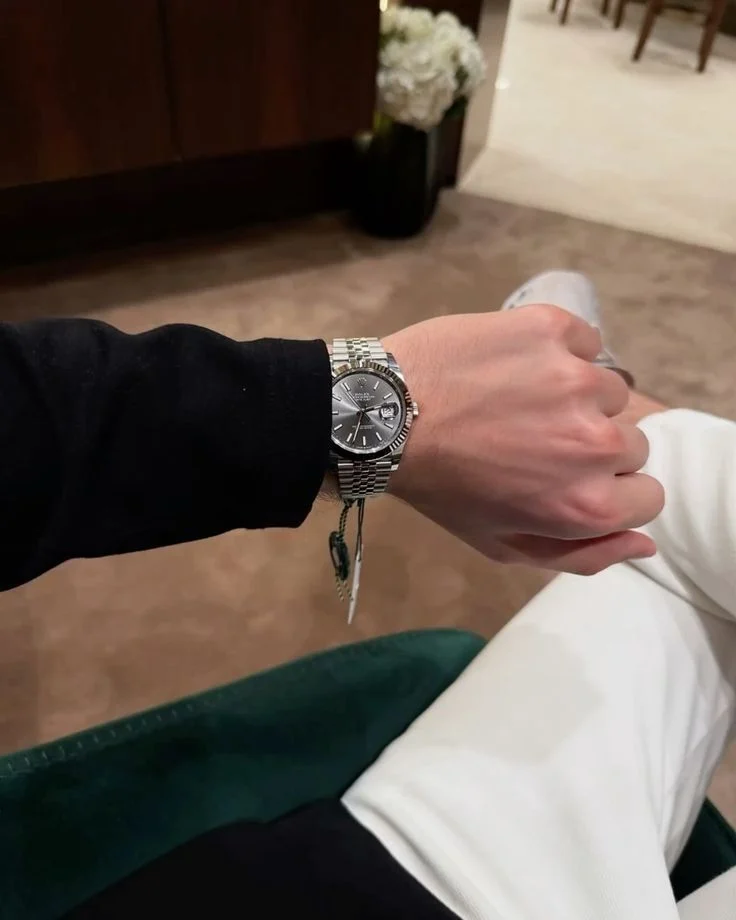
Direct answer: You can sell your Rolex to specialized watch dealers, reputable local jewelers, auction houses, consignment stores, online marketplaces (like Chrono24 or eBay), private buyers via classifieds or watch forums, or pawn shops — choose the option that best balances price, speed, and security for your situation.
Detailed explanation
Selling a Rolex involves choosing between speed, net proceeds, convenience, and risk. Not all buyers pay the same: a dealer or pawn shop will usually offer the fastest sale but at a lower price, while consignment, private sale, or an auction can deliver a higher return but take more time and effort.
Before you list your Rolex, prepare these items to maximize value: original box and papers (warranty card, receipts), service history, extra links, and recent service documentation. Clean the watch but avoid polishing it aggressively — collectors value original finishes. Get a professional appraisal or estimate if you have a rare reference or vintage model, as condition nuances (dial, hands, service parts) dramatically affect price.
Here are the common channels, with what to expect:
- Specialized watch dealers / local watch shops: Often the best balance of convenience and fair price. They authenticate and typically give an immediate offer. Expect wholesale-level pricing (lower than retail but higher than pawn).
- Reputable jewelers: Good for more mainstream Rolex models. Jewelers may buy outright or offer trade-in toward another purchase.
- Online marketplaces (Chrono24, eBay, WatchBox): Potentially higher realized prices if you can manage listings, shipping and returns. Use escrow services and insured shipping for safety. Fees and buyer protections vary.
- Consignment: Local consignment shops or dedicated watch consignment platforms list your Rolex for you and handle authentication, taking a commission on the sale. Higher sale prices are possible, but you wait longer and pay fees.
- Auction houses: Best for rare, collectible, or historically important Rolex models. High buyer competition can push prices up, but auction fees and seller commissions are significant, and sale is not guaranteed.
- Private sale (forums, classifieds, Facebook groups): Can yield strong prices if you find the right buyer, but carries higher risk — use safe meeting practices, verification, and prefer escrow when shipping.
- Pawn shops: Fast cash when you need money immediately, but expect the lowest offers.
Key reasons / factors
- Model and rarity: Submariner, Daytona, GMT-Master II, and vintage references often command premium prices.
- Condition: Case, bezel, dial, and movement condition are critical; unpolished cases and original dials increase value.
- Documentation: Original box, warranty card, and service records boost buyer confidence and price.
- Market timing: Demand for certain models fluctuates; selling when interest is strong can improve returns.
- Authentication and servicing: Buyers prefer watches recently serviced by reputable watchmakers; authenticity checks matter for high-value sales.
- Seller priorities: Do you prioritize speed, maximum price, security, or convenience?
Comparison
| Channel | Typical Price Received | Speed | Risk / Complexity |
|---|---|---|---|
| Watch dealers / local shops | Moderate (wholesale) | Fast (same day to a few days) | Low—dealer does authentication |
| Reputable jewelers | Moderate | Fast | Low |
| Online marketplaces (Chrono24, eBay) | High (if well-listed) | Moderate to slow | Medium—shipping and returns risk |
| Consignment | High | Slow (weeks–months) | Low—store handles sale |
| Auction houses | Variable—can be very high | Slow (lot submission to sale) | Medium—fees and no guaranteed sale |
| Private sale (forums/classifieds) | High (negotiable) | Variable | High—verification and fraud risk |
| Pawn shops | Low | Very fast | Low—immediate cash but low offers |
Pros and Cons
- Pros of selling to dealers/jewelers: Fast, secure payments, low hassle, immediate authentication.
- Cons of dealers/jewelers: Lower net price than selling privately or on consignment.
- Pros of online marketplaces/consignment: Potentially higher sale price, larger buyer pool, control over listing and photos.
- Cons of online/consignment: Fees, longer wait, need to manage shipping/returns, exposure to scams if not using protections.
- Pros of auctions: Best for rare pieces that can command collector bids.
- Cons of auctions: Seller fees, uncertainty, and often a reserve price or unsold lots.
- Pros of private sales: Potentially top dollar and direct negotiation.
- Cons of private sales: Time-consuming, higher fraud risk, need for safe payment/transfer methods.
FAQs
How much can I expect for my Rolex?
Values vary widely by model, year, condition, and documentation. Modern steel sports models often command strong prices; vintage watches can be worth more or less depending on originality. Get multiple offers and an appraisal to set realistic expectations.
Should I get my Rolex serviced before selling?
A recent service with documented work can increase buyer confidence and sometimes the sale price, but servicing costs might outweigh the price increase for lower-value models. For high-value or vintage pieces, proper servicing and paperwork are strongly recommended.
Is it safe to sell a Rolex online?
Yes—if you use reputable platforms, escrow services, insured shipping, and buyer/seller protections. Avoid deals that insist on unusual payment methods and always verify buyer feedback when possible.
Do authorized Rolex dealers buy back watches?
Most authorized Rolex retailers do not buy back used watches; they typically sell new authorized inventory. Some dealers may accept trade-ins toward a new purchase, but independent watch dealers and consignors are more common buyers.
What documents increase the resale value?
Original warranty card or papers, box, service records, original receipts, and extra links all increase resale value and buyer confidence.