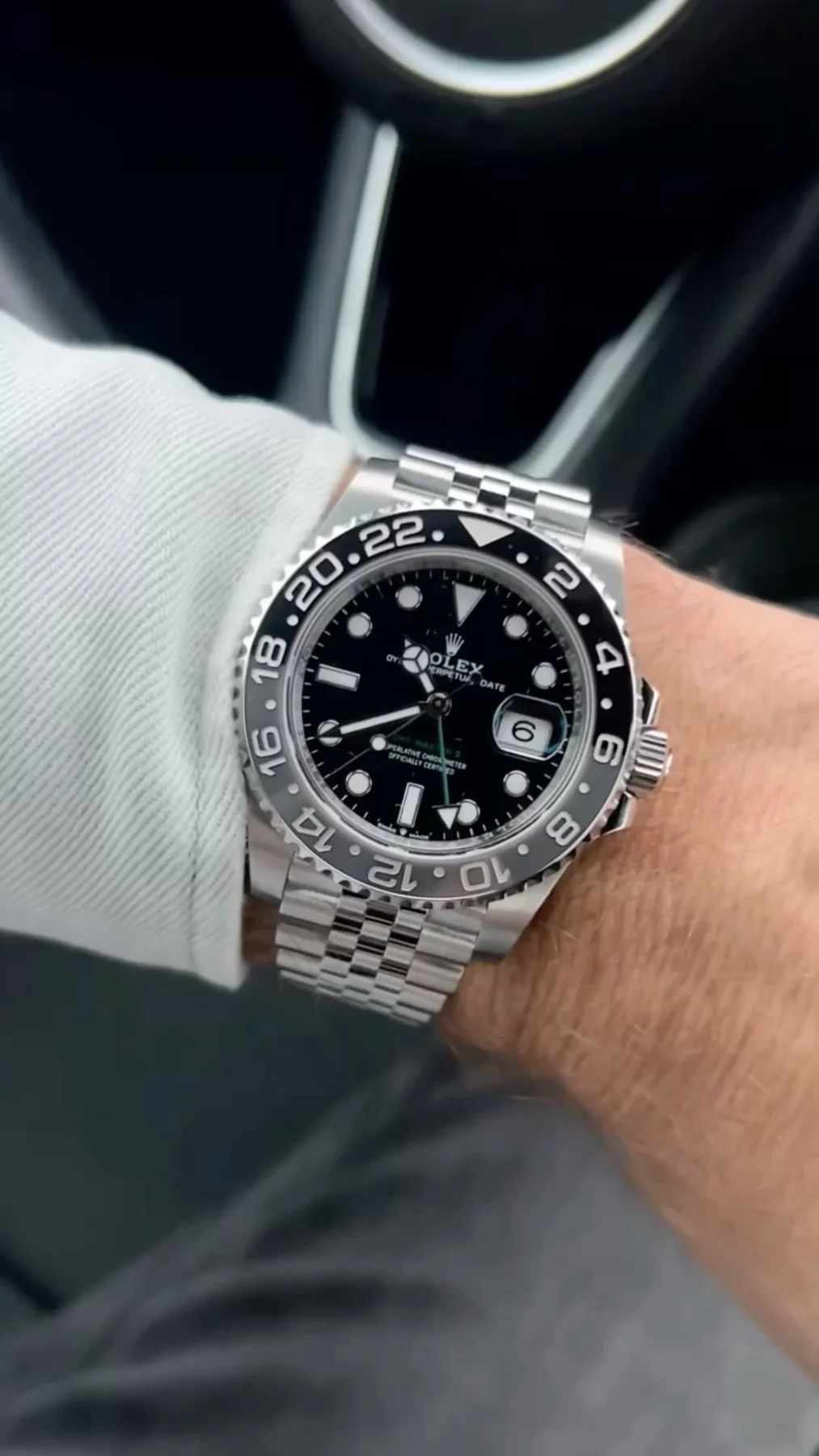
Direct answer: For most buyers the best single pick is the modern stainless-steel Rolex Daytona with the black ceramic (Cerachrom) bezel — the contemporary stainless-steel Daytona (commonly referenced by collectors as the 116500LN and its newer iterations). It offers the best blend of daily wearability, resale value, recognizability and long-term desirability. If you have specific priorities (budget, vintage interest, ultimate luxury or unique dials), consider a vintage manual Daytona, a precious‑metal variant (gold or platinum), or a limited/gem-set model instead.
Detailed explanation
“Which Rolex Daytona to buy” depends on what you value: everyday versatility, investment potential, historical significance, or exclusivity. The modern stainless‑steel Daytona with a black or white dial and Cerachrom bezel has become the archetypal choice because it balances sportiness and elegance, is highly wearable (40mm), and holds value extremely well on the secondary market. It’s the most practical recommendation for first-time Daytona buyers and collectors who want one watch that covers most bases.
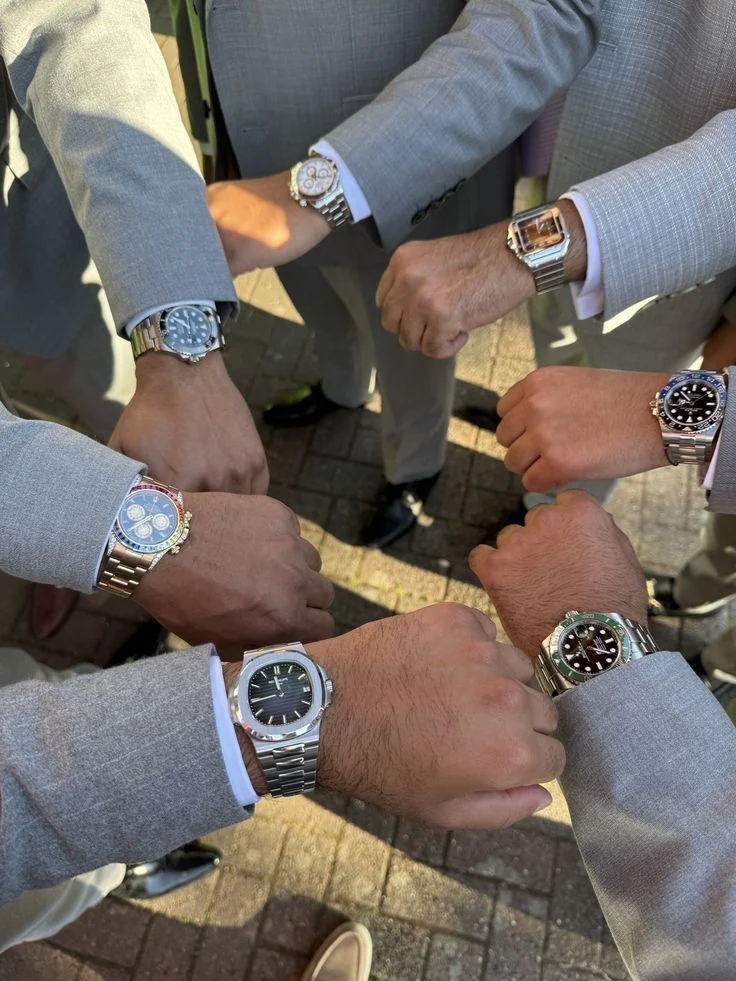
If your priorities differ, the alternatives are equally compelling: vintage Daytonas (1960s–1980s) offer history and collector cachet but often require careful sourcing and servicing; gold Daytonas (yellow, Everose) project presence and luxury; and platinum Dayonas (ice‑blue dial) are the statement pieces and often the most expensive. There are also special editions — meteorite dials, gem‑set “Rainbow” models and boutique exclusives — that appeal to buyers seeking rarity rather than day‑to‑day practicality.
Key reasons / factors
- Budget: Stainless steel modern models are expensive on the secondary market but less costly than precious‑metal or platinum variants. Vintage examples vary widely by reference and condition.
- Usage: Daily wearer vs. occasional dress watch. Stainless steel fills both roles; gold/platinum lean more dressy.
- Resale & investment: Modern steel Daytonas historically retain value best; limited and vintage models can appreciate but require knowledge to buy correctly.
- Aesthetic preference: Dial color, subdial contrast, bezel style (aluminum vs ceramic) strongly affect choice.
- Rarity & exclusivity: If exclusivity is key, consider platinum, gem-set, or rare vintage references (e.g., Paul Newman variants).
- Serviceability & authenticity: Newer models are easier to service and authenticate; vintage pieces require expert verification and may need parts work.
- Emotional value: Do you want history and provenance (vintage) or a modern statement piece (new Steel/Gold/Platinum)?
Comparison (if relevant)
- Modern Stainless‑Steel Daytona (e.g., 116500LN / newer refs)
- Pros: Most wearable, highest demand, strong resale, robust ceramic bezel, up‑to‑date movement and lume.
- Cons: Hard to buy at retail, waiting lists; secondary market premiums.
- Vintage Daytona (pre‑1988 manual wind and Zenith/El Primero era)
- Pros: Historical appeal, collectible (Paul Newman), potential for big appreciation.
- Cons: Requires expertise to avoid fakes/franken watches; maintenance can be costly; no modern water resistance guarantees.
- Gold / Everose Daytona
- Pros: Luxurious presence, distinctive look, often available new from ADs.
- Cons: More expensive, heavier, less versatile for casual wear.
- Platinum Daytona (e.g., 116506)
- Pros: Ultimate exclusivity, unique ice‑blue dial, top-tier material.
- Cons: Significantly higher price; attracts attention.
- Gem‑set / Special Editions
- Pros: Rare and statement-making; collectible.
- Cons: Often the least versatile, very high premiums, taste-specific.
Pros and Cons
- Modern Stainless‑Steel Daytona
- Pros: Iconic look, excellent daily wear capability, strong resale, contemporary movement and durability.
- Cons: Secondary market premiums; difficult to secure at retail.
- Vintage Daytona
- Pros: Rich history, unique patina, potential for major collector value.
- Cons: Risk of fakes/franken, uncertain service history, less robust for daily use.
- Gold/Platinum/Gem Daytonas
- Pros: Distinctive presence, exclusivity, often limited production or special dials.
- Cons: High cost, polarizing aesthetics, heavier and less versatile.
FAQs
Which Rolex Daytona is the best investment?
The modern stainless‑steel Daytona has historically been the safest bet for liquidity and predictable resale. Certain vintage models and rare limited editions have produced larger percentage gains, but they also carry higher risk and require specialist knowledge to buy correctly.
Should I buy new from an authorized dealer or pre‑owned?
Buying new from an authorized dealer guarantees authenticity and warranty but often means waiting lists or being sold at retail only in select circumstances. Pre‑owned market offers immediate availability but demands careful vetting, paperwork, and trusted sellers to avoid counterfeits or heavily worn pieces.
Is a vintage Daytona worth the trouble?
Yes, if you enjoy history and are prepared to do research or buy through a reputable dealer. Vintage Daytonas (especially Paul Newman dials and early references) are highly collectible, but authenticity and condition are paramount.
Which dial color should I choose (black vs white vs exotic dials)?
Black and white dials are classic and versatile — black reads sportier, white is more classic and offers strong subdial contrast. Exotic dials (meteorite, colorful, gem) make a statement but are more personal choices and less universally wearable.
How to avoid fakes and ensure authenticity?
Buy from authorized dealers or established, reputable pre‑owned sellers who provide full provenance, service history and a guarantee. Have an independent watchmaker or certified appraiser inspect vintage pieces before purchase if possible.