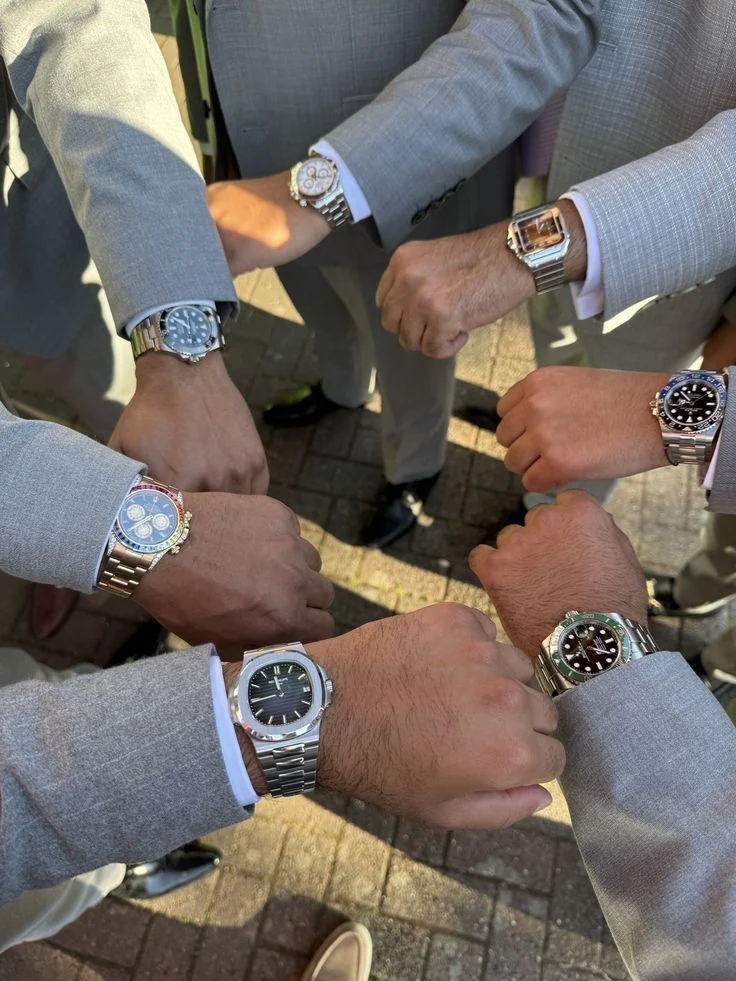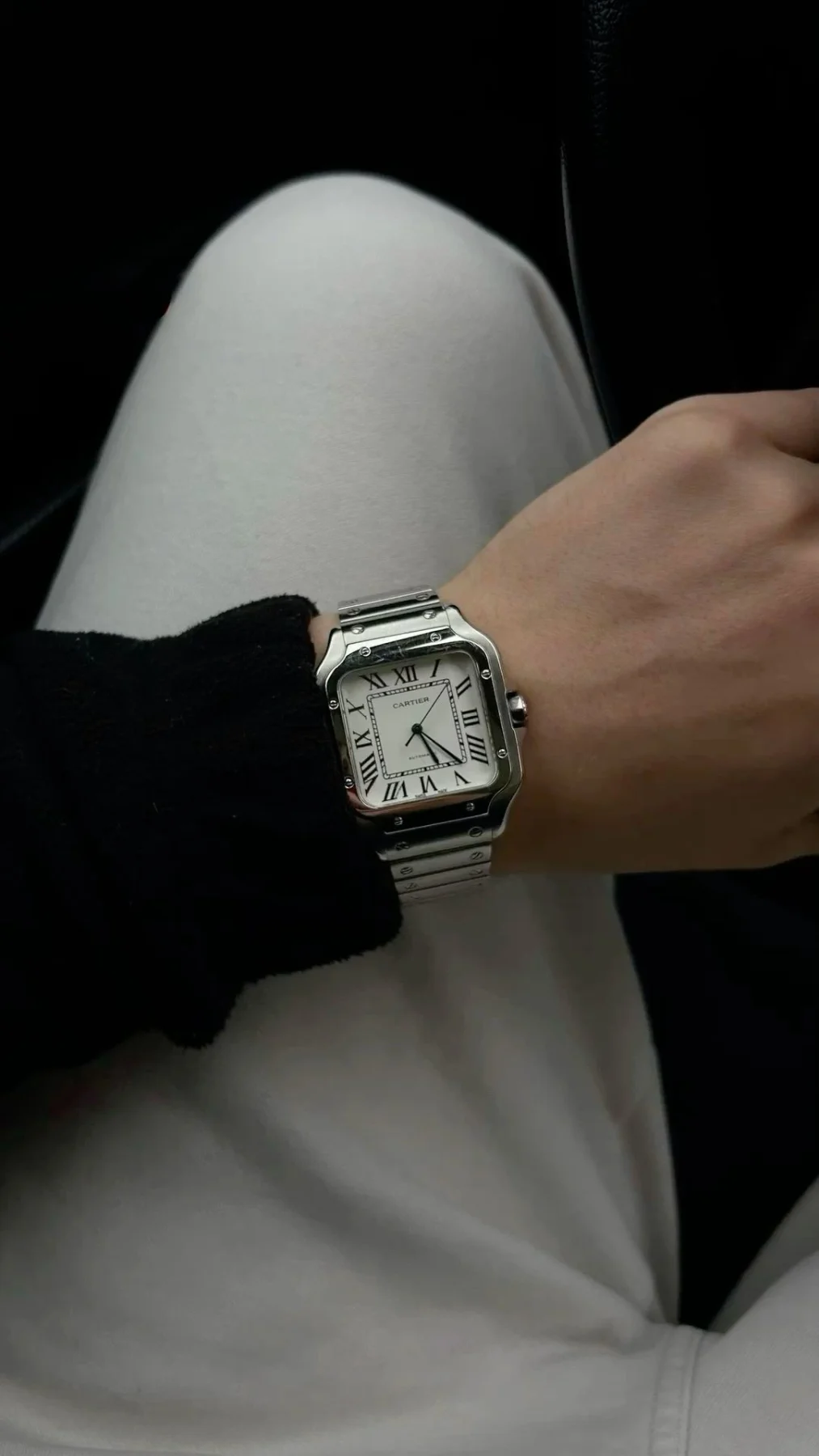
Direct answer: Rolex watches are costly because of a combination of high-quality materials, rigorous in-house manufacturing and testing, strong brand heritage and perceived value, controlled distribution and scarcity, and a robust secondary market that sustains prices. In short, you pay for precision engineering, durable luxury materials, extensive research and development, meticulous finishing, and a brand name that commands premium pricing.
Detailed explanation
When people ask “why Rolex watches are costly” or “why Rolex is expensive,” they are often reacting to the sticker price without seeing what goes into the product. Rolex is not just selling a timepiece; it is selling decades of watchmaking expertise, vertical integration (most components are made in-house), strict quality control, and a brand aura built through marketing, sponsorships, and cultural positioning. Those elements translate into higher production costs and allow Rolex to price watches at a premium.
Rolex invests heavily in materials and processes that many other brands outsource. For example, their proprietary 904L/now called Oystersteel alloys, in-house gold and platinum casting, and advanced ceramic bezels add raw-material costs. Movements are developed, produced, assembled, adjusted, and certified on-site; every Rolex movement is a Chronometer or better, which requires additional testing and regulation. Cases and bracelets are hand-finished and tested for water resistance, durability, and accuracy. All of that costs money—skilled labor, tooling, research, and long lead times—so retail prices reflect those inputs.
Finally, Rolex consciously manages production and dealer allocation to maintain desirability. Limited availability of certain models, long waiting lists, and strong resale values create an economic environment where prices can remain high or even appreciate over time. That perception of investment-quality goods makes customers willing to pay premium prices, reinforcing the cycle.
Key reasons / factors
- Materials: High-grade stainless steel (Oystersteel), 18k gold, Everose gold, and platinum; premium sapphire crystals and Cerachrom ceramic bezels.
- In-house manufacturing: Movements, cases, bracelets, and many components are designed and produced by Rolex rather than outsourced.
- Movement quality and certification: Stringent testing, Superlative Chronometer certification, and adjustments for accuracy and durability.
- R&D and innovation: Constant development of new alloys, lubricants, escapements, and anti-magnetic solutions.
- Finishing and craftsmanship: Precise hand-finishing, polishing, and assembly that require skilled watchmakers and time.
- Vertical integration and control: Control over suppliers and processes reduces dependence on external parties but increases fixed costs.
- Brand and heritage: Over a century of reputation, iconic models (Submariner, Daytona, Datejust), and cultural cachet that commands a premium.
- Marketing and distribution: Selective dealership network, authorized retailers, and global marketing maintaining perceived exclusivity.
- After-sales support: Guarantees, service centers, and long-term parts availability increase ownership costs for Rolex, reflected in price.
- Resale and demand dynamics: Strong secondary market values and collectible status contribute to the high initial pricing.
Comparison (if relevant)
Comparing Rolex to other brands helps highlight why Rolex watches cost so much relative to alternatives:
- Rolex vs. Mass-market brands (e.g., Seiko, Citizen): Mass-market watches typically use lower-cost materials, partially or fully outsourced manufacturing, less rigorous testing, and automated assembly—resulting in much lower prices but also lower long-term resale and prestige.
- Rolex vs. Swiss luxury peers (e.g., Omega, Tudor, IWC): Some Swiss peers offer similar movement quality and materials, but Rolex’s vertical integration, brand strength, and dealer control often keep Rolex prices higher. Tudor, Rolex’s sister brand, trades some of Rolex’s premium inputs for lower prices.
- Rolex vs. haute horlogerie (e.g., Patek Philippe, Audemars Piguet): Brands like Patek or AP may cost more than Rolex for handcrafted complications, limited production, and haute finishing. Rolex sits in a “high-luxury” tier but is more focused on robustness and recognizable models than extreme artisanal finishing or complex complications.
Pros and Cons
- Pros:
- Exceptional build quality and durability
- Strong resale value and investment potential for certain models
- Reliable in-house movements and global service network
- Iconic design and high brand recognition
- Cons:
- High upfront cost compared with many alternatives
- Limited availability for popular models leading to long waits
- Some models sell above retail on the secondary market, making actual cost higher
- Less emphasis on high complications compared with independent haute horlogerie brands
FAQs
1. Are Rolex watches worth the price?
Many buyers find them worth the price for durability, accurate movements, strong after-sales service, and brand prestige. Financially, some models hold or increase value, making them attractive to collectors. Whether a Rolex is “worth it” depends on personal priorities—style, durability, investment potential, or mechanical interest.
2. Why do some Rolex models cost much more than others (e.g., Daytona vs. Oyster Perpetual)?
Price differences reflect materials (precious metals vs. steel), movement complexity (chronographs vs. time-only), production volumes, and demand. Iconic, limited, or highly sought-after models (Daytona, GMT-Master II) often command higher prices and enjoy stronger secondary market demand.
3. Can I get similar quality for less money?
Yes. Brands like Omega, Grand Seiko, and Tudor offer excellent quality and in some cases superior finishing or movement tech at lower prices. However, they may not match Rolex’s resale values or global brand recognition.
4. Do Rolex watches appreciate in value?
Some models, particularly limited-production or highly sought-after references, can appreciate. Many mainstream models retain value well relative to other consumer goods, but appreciation is not guaranteed—market trends, condition, provenance, and rarity matter.
5. Is buying a pre-owned Rolex a good way to save money?
Buying pre-owned can be economical, and you may find models at or below current retail, especially vintage or discontinued references. Always verify authenticity, service history, and condition, and buy from reputable sellers or authorized pre-owned dealers.