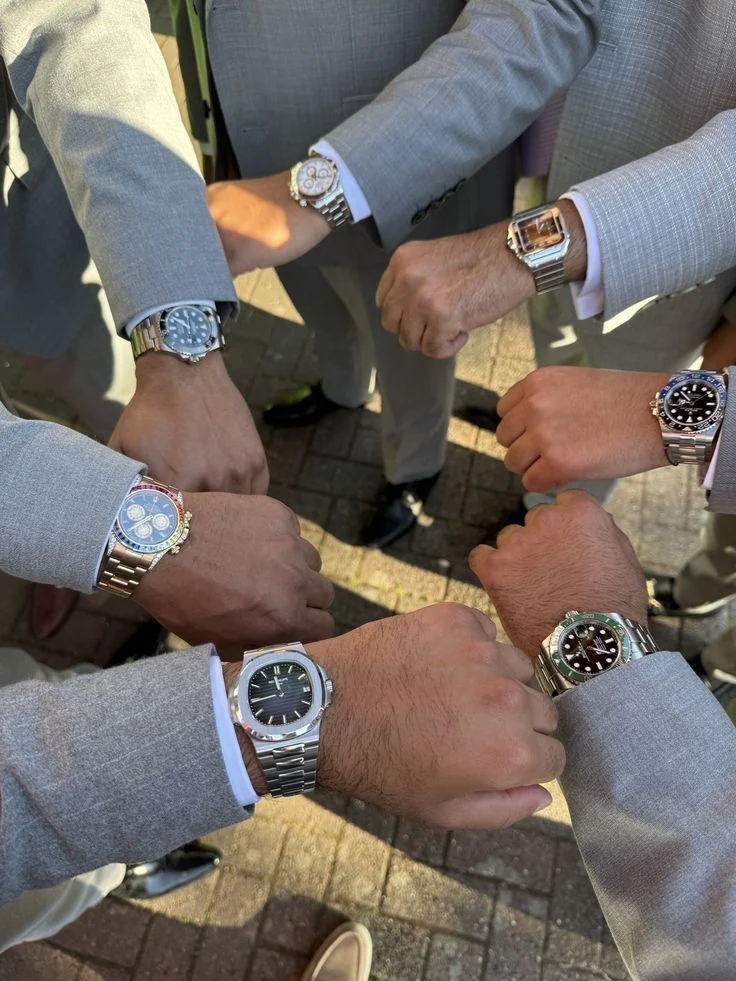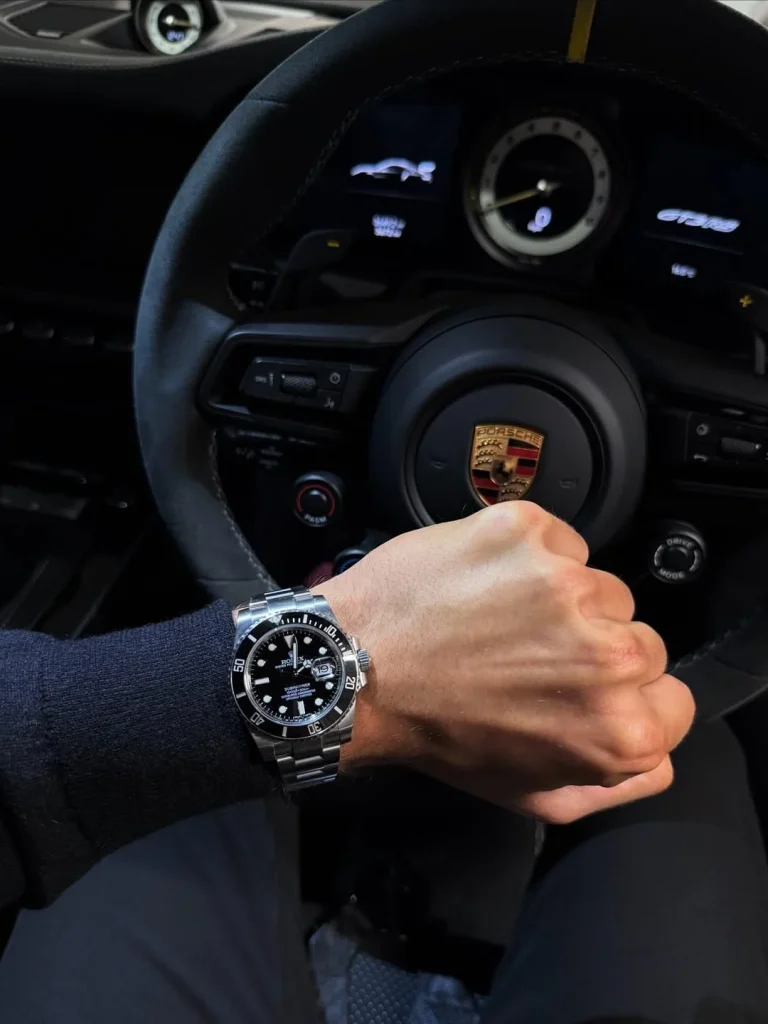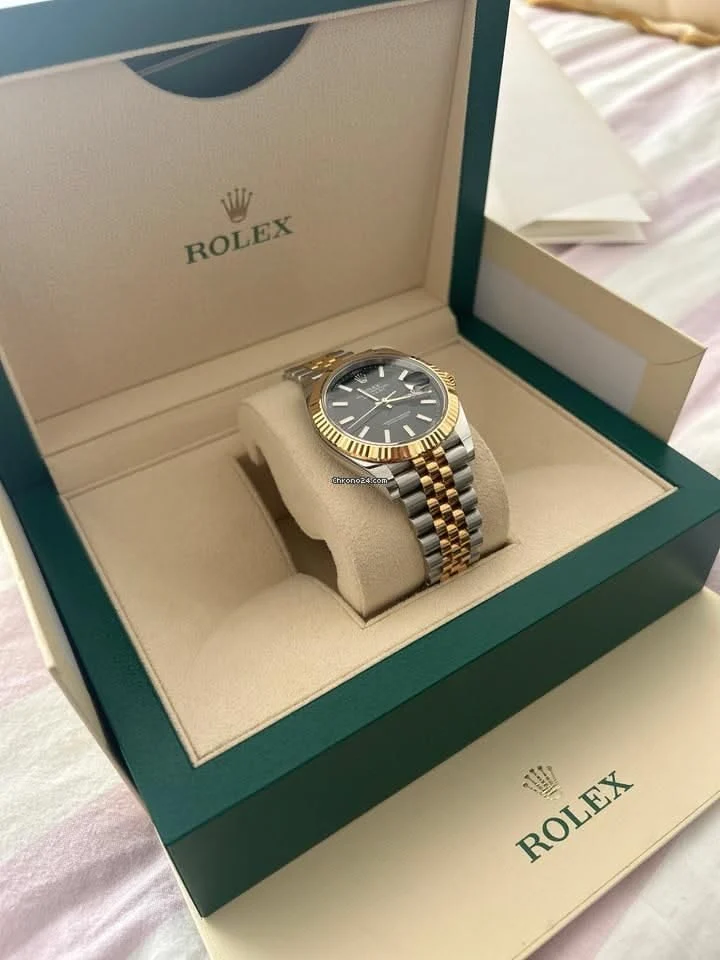
Direct answer: Rolex watches are expensive because the brand combines high-quality materials, extensive in-house manufacturing, rigorous testing, tight distribution and controlled supply, strong global brand equity, and exceptional resale value. In short, you pay for engineering, craftsmanship, scarce availability, and the status and investment potential that come with the Rolex name.
Detailed explanation
When people ask why Rolex are so expensive—or why Rolex watches cost as much as they do—they’re really asking why buyers accept premium prices for a mechanical wristwatch. Rolex is not just selling timekeeping; it sells durable, consistent performance, a near-universal service network, and a symbol of prestige. The company owns foundries, designs and manufactures most components in-house (movements, cases, bracelets, ceramics), and subjects completed watches to stringent quality controls that exceed standard chronometer certification. That vertical integration and quality control increase production cost significantly compared with brands that outsource components.
Rolex also invests heavily in research and development (anti-magnetic alloys like Parachrom, proprietary lubricants, shock absorbers such as Paraflex, and ceramic Cerachrom bezels). Many Rolex models involve complex manufacturing processes and finishing techniques performed by skilled technicians, not automated mass production alone. Finally, Rolex limits supply through careful distribution and controlled dealer allocations, which maintains desirability and allows secondary market premiums—making the watches more valuable and reinforcing the high retail price.
Key reasons / factors
- In-house production and vertical integration: Rolex makes a large share of components internally, reducing reliance on suppliers and increasing quality control.
- High-quality materials: 904L/ole-resistant stainless steel (Oystersteel), proprietary gold and platinum alloys, scratch-resistant Cerachrom, and sapphire crystals all cost more than standard materials.
- Skilled labor and hand-finishing: Movement finishing, case polishing, and final assembly involve experienced watchmakers and multiple inspection stages.
- Rigorous testing and certification: Besides COSC, Rolex applies its Superlative Chronometer standard (−2/+2 sec/day after casing) and subjects watches to pressure, shock, and environmental testing.
- Brand positioning and marketing: Decades of consistent brand building, sponsorships, and association with achievement drive perceived value.
- Controlled supply and distribution: Authorized dealer allocations, limited availability of desirable models, and careful inventory control keep demand high relative to supply.
- Resale value and collectibility: Many Rolex models retain or increase in value, which buyers factor into the cost—some people view them as alternative investments.
- After-sales service network: A global Rolex service infrastructure with replacement parts and long-term maintenance support adds ongoing value and cost.
Comparison
Comparing why Rolex are so expensive to other brands helps clarify where the price premium comes from. Against mass-market brands (Seiko, Citizen), Rolex uses more expensive materials, more manual labor, in-house movements, and a global prestige that those brands do not command. Versus other Swiss luxury names (Omega, Breitling), Rolex often produces fewer watches and exerts tighter control over distribution and quality, resulting in stronger resale and market perception.
Compared with haute horlogerie houses (Patek Philippe, Audemars Piguet), Rolex is sometimes less complex technically, but it sits between mainstream luxury and high-end independent watchmaking. Patek and AP can cost far more due to artisanal complications and extremely limited production, but Rolex often outperforms many peers in liquidity and resale value—making the effective cost per use lower for some buyers.
Pros and Cons
- Pros:
- Exceptional durability and daily reliability.
- Strong resale value and collectibility.
- Extensive global service and parts network.
- Timeless design and widespread cultural recognition.
- Cons:
- High upfront price relative to technical features alone.
- Limited availability and long waiting lists for popular models.
- Potential for markups on the secondary market beyond MSRP.
- Brand premium may exceed perceived technical merit for some buyers.
FAQs
Are Rolex watches worth the money?
It depends on what you value. If you prioritize long-term reliability, after-sales support, strong resale, and the social cachet of an instantly recognizable luxury item, many buyers find Rolex worth the price. If you prioritize complicated watchmaking or the best technical value per dollar, other brands might offer more in that specific area.
Do Rolex watches hold their value?
Many Rolex models do hold value well and some appreciate on the secondary market—especially sports models like the Submariner, Daytona, and GMT-Master II. However, resale performance varies by model, condition, rarity, and market trends; not every Rolex will increase in price.
Why are new Rolex watches hard to buy at retail?
Rolex controls dealer allocations and limits supplies of popular references to maintain brand prestige and dealer relationships. High demand for sports models and constrained production creates waiting lists and secondary market premiums. Dealers also prioritize long-standing customers.
Is the premium price mostly marketing?
Marketing and brand equity play a substantial role, but it’s not the whole story. Rolex backs its reputation with real investment in materials, manufacturing, testing, and service. The high price is a combination of tangible production costs and intangible brand value.
Can you tell a real Rolex from a fake?
High-quality counterfeits exist; authenticity checks include serial/model numbers, movement inspection, weight, finishing quality, and purchase from authorized dealers. For expensive purchases, use reputable sellers and professional authentication services.