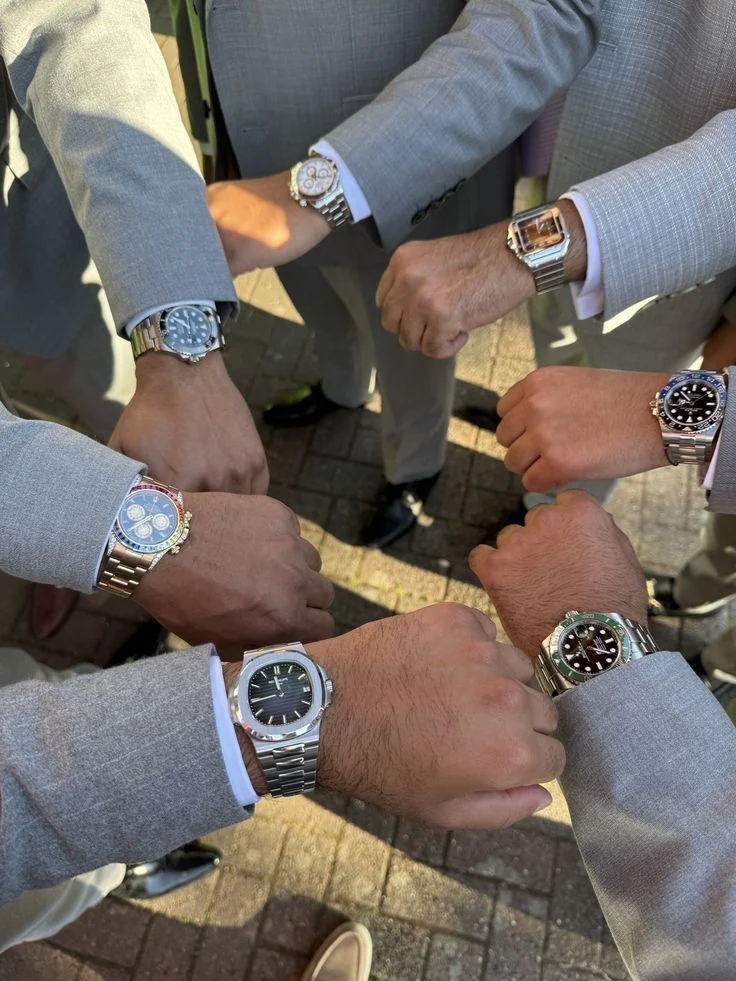
Direct answer: Rolex is famous because it combines over a century of technical innovation, consistent high-quality manufacturing, iconic and timeless design, shrewd marketing, and a cultivated image of prestige and reliability that together create strong global recognition and enduring resale value.
Detailed explanation
Rolex’s fame is not the result of a single factor but the cumulative effect of history, engineering, branding and market dynamics. Founded in 1905 and modernized through early 20th-century inventions like the Oyster waterproof case and the Perpetual self-winding rotor, Rolex established credibility among professionals—divers, pilots, explorers—and wealthy buyers alike. That technical foundation was amplified by careful marketing, controlled distribution, and an emphasis on consistency. Over decades, Rolex watches became status symbols: recognizable by design (Submariner, Datejust, Daytona), associated with achievement, and supported by a strong secondary market that protects value. The brand’s dominance is reinforced by a tightly managed image, reliable after-sales service, and an aura of exclusivity created by waitlists and limited availability of certain models.
Key reasons / factors
- Heritage and history: More than a century of continuous operation and many industry firsts give Rolex credibility and narrative value.
- Technical innovation: Oyster case, Perpetual rotor, Parachrom hairspring, and constant improvements in movement reliability and precision.
- In-house manufacturing: Significant vertical integration—movements, cases, dials and finishing are largely produced by Rolex—ensures consistent quality control.
- Iconic design language: Models like the Submariner, Datejust, GMT-Master and Daytona are immediately recognizable and have evolved subtly rather than radically.
- Quality and durability: Robust construction, resistant materials (904L/ORCA steel, Cerachrom ceramic bezels), and proven performance in harsh conditions.
- Perceived status and celebrity culture: Endorsements, celebrity sightings, and association with achievement (sports, exploration, cinema) boost desirability.
- Resale value and investment appeal: Many Rolex models retain or appreciate in value, creating a perception of financial prudence.
- Controlled distribution and scarcity: Strategic supply management and authorized dealer networks create waitlists and desirability for hot pieces.
- After-sales service and warranty: Global service centers and strong warranty support maintain long-term ownership confidence.
- Marketing and storytelling: Consistent global branding, sponsorships, and an emphasis on exploration and achievement reinforce the image.
Comparison (if relevant)
Comparing Rolex to other watch brands helps clarify why it stands out:
- Rolex vs Omega: Omega competes on innovation (co‑axial escapement) and value, and has strong historical models (Speedmaster). Rolex generally maintains higher resale values and broader mainstream recognition; Omega often appeals to collectors seeking technical features at lower prices.
- Rolex vs Patek Philippe: Patek is haute horlogerie focused on complications, finishing and exclusivity; it is often considered more prestigious among collectors. Rolex, however, is more ubiquitous and regarded as the preeminent luxury sports-watch brand with better liquidity on the secondary market.
- Rolex vs Audemars Piguet: AP’s Royal Oak is another iconic luxury-sports watch; AP targets high-end design and finishing with limited production, while Rolex’s strength is in robustness, brand recognition and a broader product range.
- Rolex vs Tudor: Tudor is Rolex’s sibling brand offering strong value and heritage cues; Tudor appeals to buyers who want Rolex design lineage at a more accessible price point but without the same resale strength.
- Rolex vs mainstream brands (Seiko, Citizen): Those brands offer exceptional value and technology in their segments, yet Rolex occupies the aspirational luxury tier where branding, scarcity and prestigious perception matter as much as technical specs.
Pros and Cons
- Pros:
- Exceptional brand recognition and perceived status.
- High durability and reliable movements for daily wear.
- Strong resale value and collector demand for key models.
- Wide global service network and proven quality control.
- Classic designs that retain relevance over decades.
- Cons:
- High retail prices and additional premiums on the secondary market.
- Waiting lists and purchase restrictions can frustrate buyers.
- Some models are perceived as overly common or flashy in certain circles.
- Limited high-complication offerings compared with haute horlogerie houses.
- Prevalence of counterfeits and gray-market dealers complicate purchasing.
FAQs
Is Rolex worth the money?
For many buyers, yes: Rolex offers durable construction, consistent performance and strong resale value. The worth depends on the buyer’s goals—daily-wear reliability and brand prestige versus pure horological complexity or cost-efficient timekeeping.
Why do Rolex watches hold value so well?
Value retention arises from strong demand, limited supply of certain models, a powerful brand image, and a collector market that treats many Rolex references as desirable assets. Historical significance and proven durability also help.
Are Rolex watches made in-house?
Yes. Rolex produces most components in-house—including movements, cases, bracelets, dials and even their own foundry for gold—allowing strict quality control and vertical integration across production.
Can you wear a Rolex every day?
Absolutely. Many Rolex models are designed for daily wear and for use under demanding conditions (diving, aviation, sports). Regular servicing (every 5–10 years depending on use) is recommended to maintain performance.
Why are some Rolex models so hard to buy?
Rolex manages production and distribution deliberately to maintain brand equity; high demand for certain references, plus limited authorized dealer allocations, creates waitlists and secondary-market premiums that enhance scarcity and desirability.