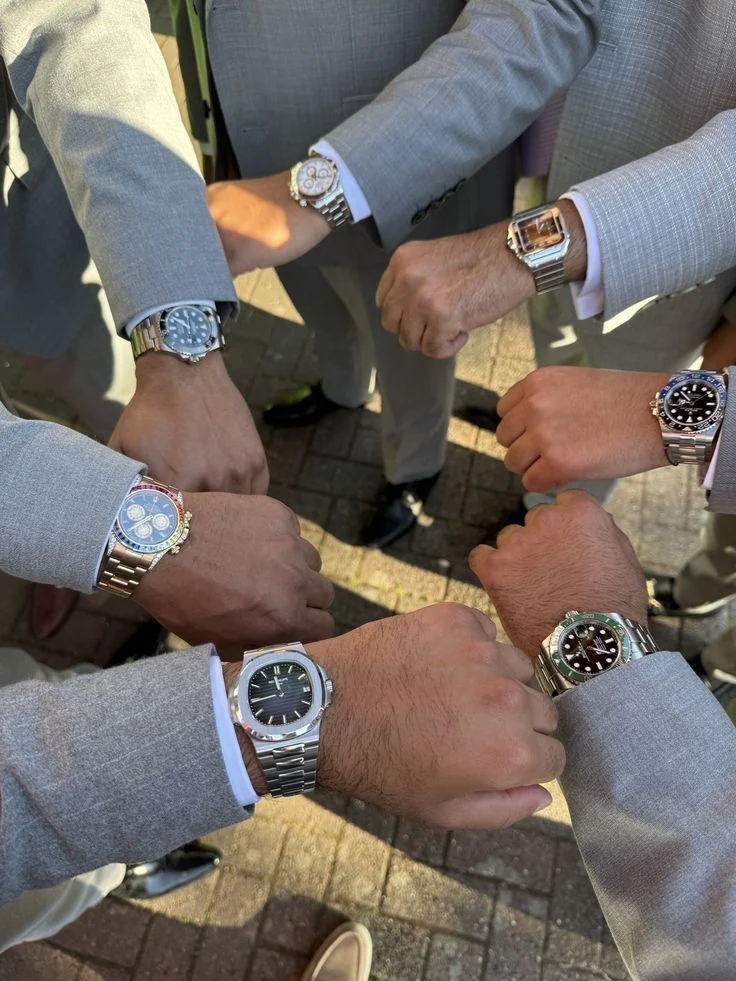
Short answer: Yes — many Rolex watches are made from real, solid gold. Rolex manufactures watches in 18k yellow gold, 18k white gold, its proprietary 18k Everose (rose) gold and also in 950 platinum. However, not every gold-colored Rolex is solid gold: some models are two-tone (Rolesor — steel plus gold) and others sold on the secondary market can be gold-plated or aftermarket-modified.
Detailed explanation
Rolex has a long history of using precious metals. Most contemporary Rolex gold watches are made from 18k gold (75% pure gold mixed with other metals for strength and color stability). The brand also casts its own alloys at an in-house foundry: yellow gold for classic tones, white gold often finished with rhodium plating for a bright white look, and Everose — Rolex’s patented 18k rose gold alloy designed to retain color over time. For its most prestigious models, Rolex uses 950 platinum (marked PT950) rather than a low-karat gold.
Important distinctions:
- Solid 18k gold Rolex: Cases, bezels, bracelets and crowns are made from 18k gold. These are heavier and have factory hallmarks and stamps (for example, “18K” or “750”) in specific locations.
- Rolesor (two-tone): Combines Oystersteel (Rolex’s 904L “Oystersteel”) with 18k gold elements. The gold parts are real even though the full watch is not solid gold.
- Gold-plated / aftermarket gold: Some counterfeit or modified watches are merely plated. These are not factory Rolex solid gold watches and often show wear or discoloration where the plating has worn through.
Key reasons / factors
- Material standards: Rolex uses 18k gold and 950 platinum to meet luxury and durability expectations; the alloys are engineered for color and corrosion resistance.
- In-house production: Rolex operates its own foundry and controls alloy composition, reducing the risk of lower-quality materials in factory pieces.
- Hallmarks and stamps: Genuine Rolex gold items carry hallmarks — 18K/750 for 18k gold and PT950 for platinum — and specific Rolex engravings in consistent places.
- Weight and feel: Solid gold Rolex watches are appreciably heavier than steel or plated counterparts due to gold’s higher density.
- Finish and color: Rolex alloys and finishing processes (like rhodium on white gold) produce a characteristic color and luster that is difficult to reproduce by cheap plating.
- Service history and paperwork: Authentic Rolex supplied with original papers, serial numbers and service records makes verification of genuine gold far easier.
Comparison
| Type | What it means | Typical signs |
|---|---|---|
| Solid 18k Gold Rolex | Entire case, bracelet and gold parts cast from 18k alloy | Marks “18K” or “750”, heavier, factory finish, consistent color |
| Rolesor (Two-tone) | Combination of Oystersteel and 18k gold components | Gold parts real (bezel, center links), steel elsewhere, hallmark on gold pieces |
| Gold-plated / Aftermarket | Non-factory plating applied over base metal | Lighter, wear at edges, inconsistent coloring, rarely stamped 18k |
| Gold-filled / Vermeil | Thicker layer of gold bonded to base metal (not factory Rolex) | Better wear than plating but still not solid; check hallmarks and weight |
| Platinum (PT950) | Solid platinum construction used on select models | Very heavy, marked PT950, distinct silvery sheen |
Pros and Cons
- Pros of real gold Rolex
- Intrinsic value: gold and platinum hold material value and often attract collectors.
- Durability of alloy: Rolex alloys are engineered for longevity and color retention (especially Everose).
- Prestige and resale value: solid precious-metal Rolex models tend to retain value well.
- Cons of real gold Rolex
- Cost: solid gold Rolex watches are significantly more expensive than steel or Rolesor variants.
- Softness: gold is softer than steel — scratches are more visible and require careful wear and service.
- Security concerns: owning an expensive precious-metal watch can attract theft risk and higher insurance costs.
FAQs
How can I tell if a Rolex is solid gold or just plated?
Look for hallmarks (18K, 750) on the case and clasp, check weight (solid gold is heavier), inspect edges for wear-through of plating, and review paperwork/serial numbers. Professional XRF testing or an authorized Rolex retailer/service center can provide definitive verification. Avoid damaging tests like aggressive acid kits unless done by a pro.
Are Rolesor Rolex watches real gold?
Yes. Rolesor combines Oystersteel with genuine 18k gold elements. The gold portions (bezel, crown, center links) are real 18k gold even though the entire watch is not solid gold.
Do Rolex use 24k gold for their watches?
No. Rolex uses 18k gold (75% pure) because 24k gold is too soft for watchmaking. The 18k alloys balance purity, strength and color stability; Everose is a proprietary 18k mix designed to keep its hue over time.
Can a watch dealer tell if the gold is genuine by sight?
Experienced dealers can often spot fake gold by weight, color, finishing and hallmarks, but the most reliable non-destructive test is XRF analysis; an authorized Rolex service center can also authenticate materials and verify factory parts.
Does Rolex ever replace gold parts during servicing?
Yes. During authorized service, Rolex may replace worn or damaged components. Genuine replacement parts will be factory materials (18k or platinum). Aftermarket or non-Rolex service providers may use non-original parts — check service documentation to confirm authenticity.