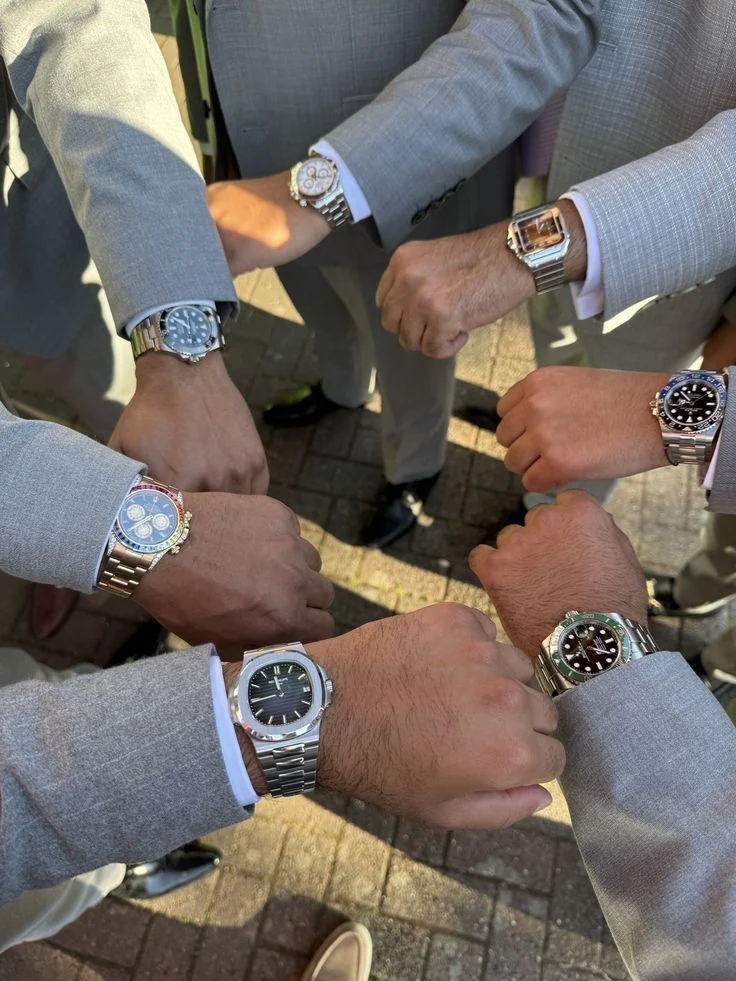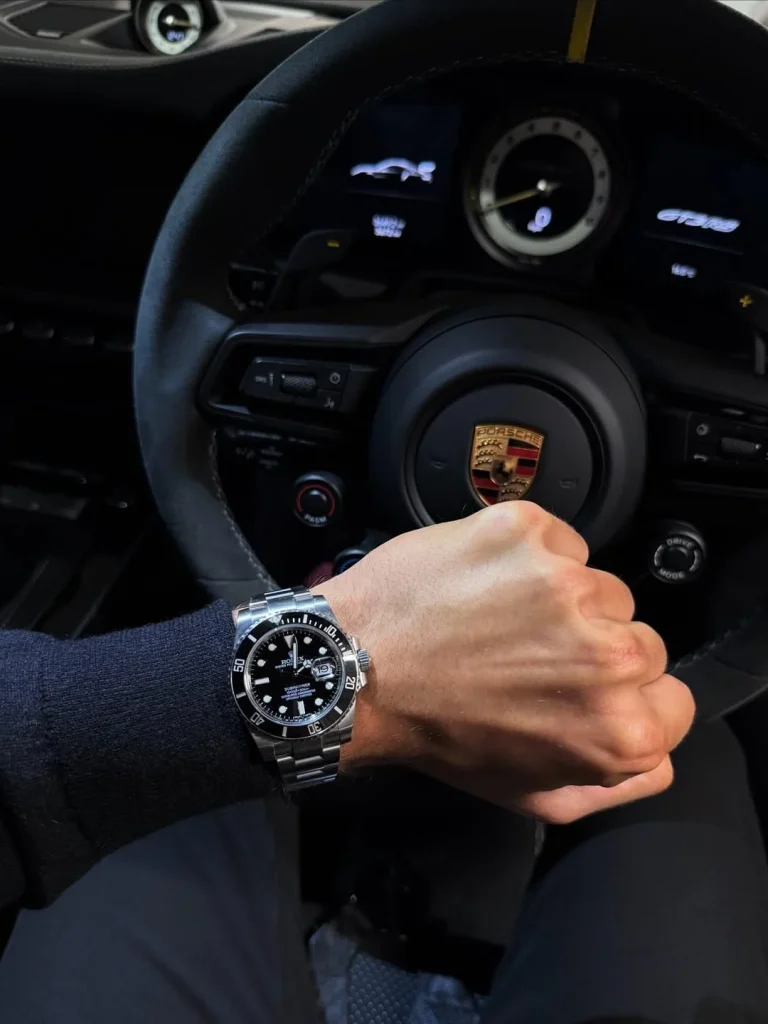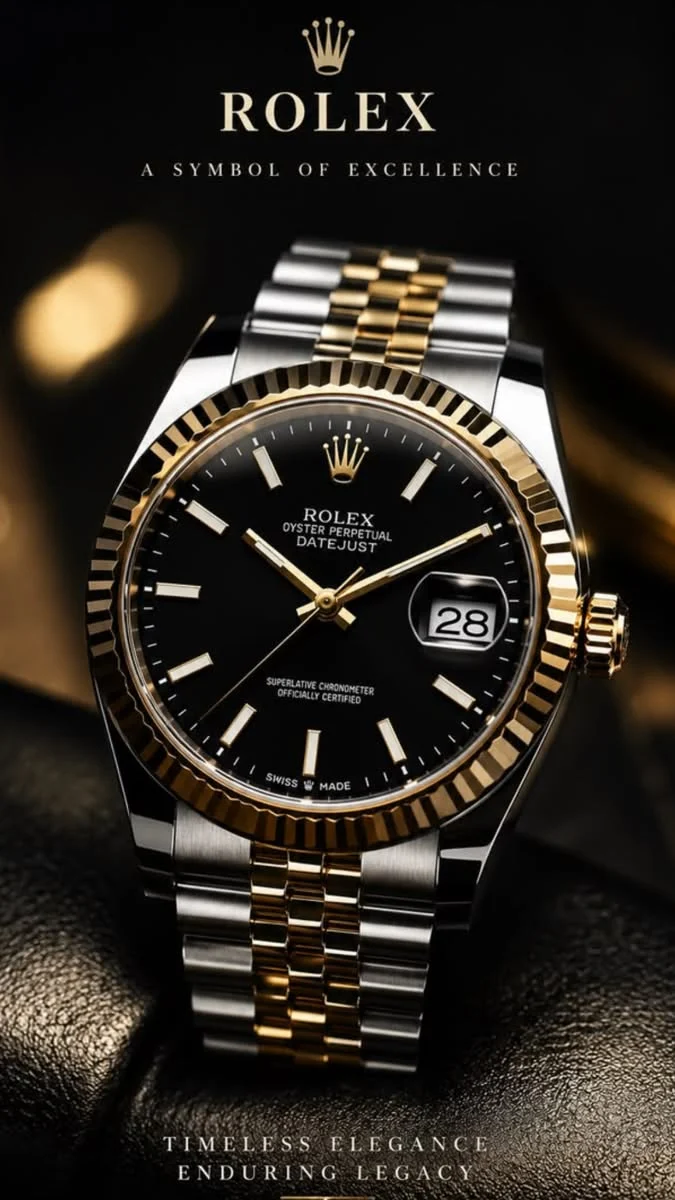
Yes. You can buy a Rolex in Switzerland — from official Rolex boutiques and authorized dealers to reputable pre-owned dealers and the grey market — but availability, paperwork, taxes, and local dealer policies mean the experience differs from simply walking in and buying any model you want.
Detailed explanation
Switzerland is the home of Rolex, and the brand maintains a network of official boutiques and authorized retailers across cities such as Geneva, Zurich, Basel and Biel. Those points of sale are the safest places to buy a new Rolex with full factory warranty, original box and paperwork. However, Rolex controls distribution tightly: certain high-demand steel sports models (Submariner, Daytona, GMT-Master II, etc.) are allocated selectively and often have waiting lists or priority sold to long-standing customers. That means simply visiting a boutique does not guarantee immediate access to popular references.
For travelers and residents, there are multiple legitimate routes to buy a Rolex in Switzerland:
- Authorized Rolex boutiques and ADs — buy new with full warranty, serial and documentation.
- Official pre-owned and certified dealers — such as brand-certified stores or trusted local dealers offering inspected second-hand Rolexes with warranty.
- Independent secondhand market — watch dealers, auction houses, and specialist platforms; good for discontinued models but requires due diligence.
- Grey-market shops — often sell new watches at premiums above list price; less secure but an option for immediate purchase of hard-to-find models.
Price dynamics: Rolex list prices are issued in Swiss francs (CHF) and vary country-by-country depending on VAT, local market pricing and exchange rates. In Switzerland you pay local VAT at the time of purchase (Swiss VAT is currently around 7.7%), but tourists can generally claim a VAT refund if they export the watch, which reduces net cost. Be aware: when returning to your home country you may owe import duties or local taxes that eliminate the VAT advantage.
Documentation and authenticity: Buying at an authorized location ensures the watch comes with Rolex’s international warranty card and full documentation. For pre-owned purchases, insist on original box, paperwork and a verifiable service history. Verify serial/reference numbers and purchase receipts. Rolex service centers in Switzerland and worldwide can service authentic pieces; counterfeit and altered watches create major complications.
Key reasons / factors
- Availability: Allocation policies mean not all models are available off-the-shelf.
- Price and VAT: Prices quoted in CHF; tourists can often reclaim Swiss VAT but may face import taxes at home.
- Authorized vs grey market: Authorized dealers offer warranty; grey market may offer immediate supply but at markup.
- Documentation: Authenticity and warranty depend on where and how you buy.
- Local dealer policies: Some ADs prioritize regular customers or Swiss residents for high-demand pieces.
- After-sales service: Swiss purchases are convenient for servicing and factory support.
Comparison
Buying a Rolex in Switzerland vs other methods:
- Switzerland vs home country: You might see a wider selection in Switzerland and can claim VAT refunds as a tourist. However, you may face import duties back home and dealers at home might give service benefits or easier warranty handling for locals.
- Switzerland vs online marketplaces: Authorized boutiques guarantee authenticity and warranty. Online platforms can offer better immediate availability and sometimes lower or comparable prices for pre-owned pieces, but carry greater counterparty risk unless the seller is reputable and offers guarantees.
- Authorized dealer vs grey market in Switzerland: Authorized dealers provide new watches at official price but may require waiting; grey market shops often charge premiums but can supply hot models immediately.
Pros and Cons
- Pros
- High likelihood of authentic product and proper documentation when buying from an AD.
- Access to a wide selection of models and knowledgeable staff in Rolex’s home country.
- Possibility of VAT refund for tourists (reducing net price).
- Proximity to official service centers for maintenance.
- Cons
- High-demand models may be allocated or have long waiting lists.
- No guaranteed discount; Rolex pricing is controlled and ADs rarely discount new models.
- Potential premiums on the grey market for immediate availability.
- Export paperwork and potential import taxes at your destination when returning home.
FAQs
Do I need to be a Swiss resident to buy a Rolex in Switzerland?
No. Both residents and tourists can buy Rolex watches in Switzerland. That said, some authorized dealers prioritize regular local customers for the most sought-after models. If you are a tourist, ask about export documentation for a VAT refund when you make the purchase.
Can tourists get VAT back when buying a Rolex in Switzerland?
Yes, tourists can generally claim Swiss VAT refunds on exported goods. The retailer will provide the necessary export paperwork or a tax-free form that you must present, stamped by customs when leaving Switzerland. Refund methods and fees vary, and you must follow the rules to qualify.
Are Rolex prices lower in Switzerland?
Not necessarily. List prices are set and similar across markets after currency conversion, but tourists can reduce the effective price through VAT refunds. Remember to factor in import duties and taxes in your home country, which may remove any savings.
Can I walk into a Rolex boutique and buy a new steel Submariner or Daytona?
Possibly, but often unlikely for the most popular steel sports models. Many boutiques allocate those pieces to long-standing customers or keep waitlists. Grey-market dealers may have them in stock at a premium.
Is it safe to buy a Rolex in Switzerland?
Yes — Switzerland is one of the safest places to buy a Rolex provided you purchase from an authorized dealer, reputable pre-owned seller, or trusted retailer. Always verify warranty cards, serial numbers and receipts to protect against counterfeit or grey-market issues.