Short answer: Yes — many Rolex watches, particularly sought-after stainless steel sports models and rare vintage pieces, have historically gone up in value, but not every Rolex will appreciate and increases are influenced by model, condition, provenance, market cycles, and buying price.
Detailed explanation
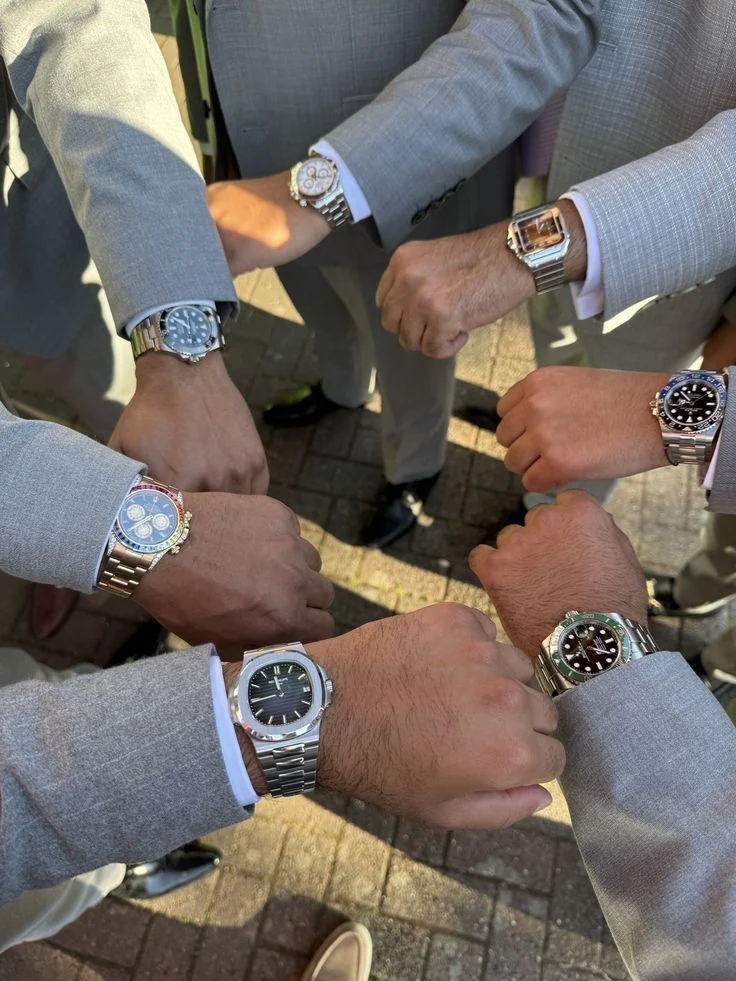
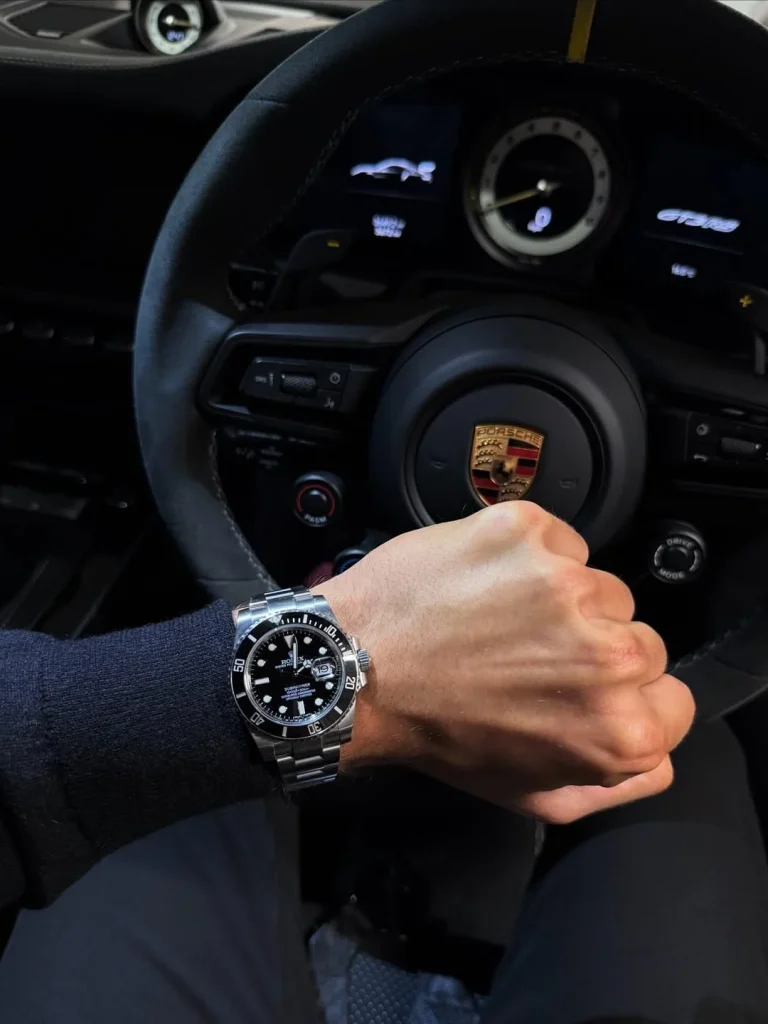
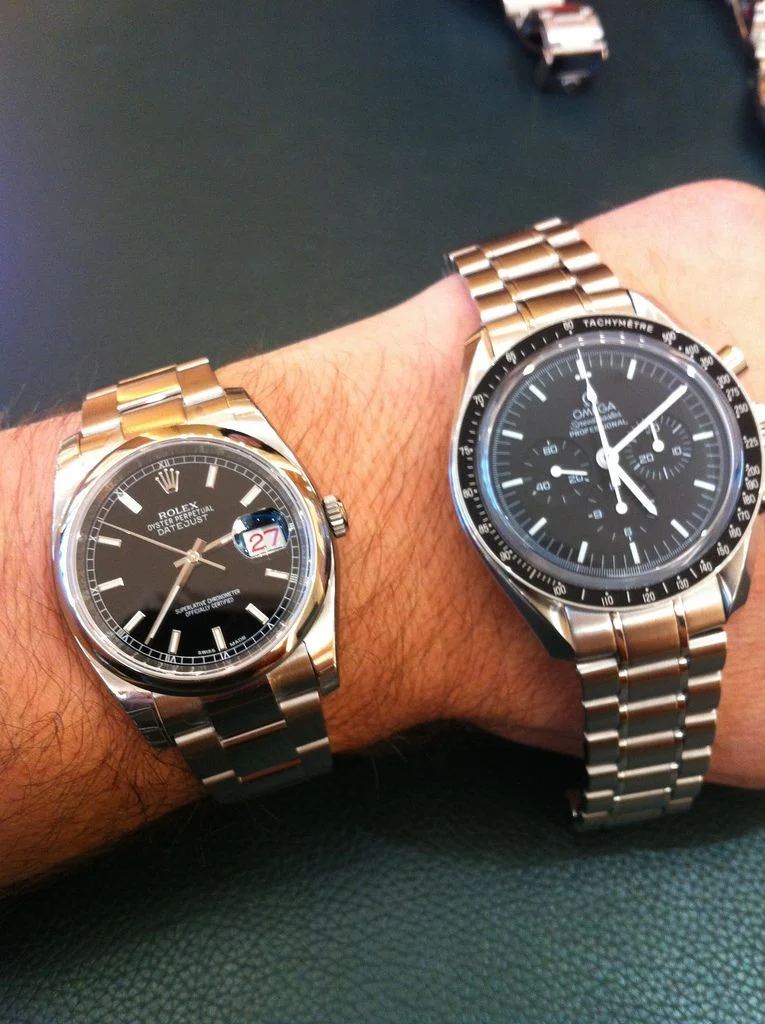
Rolex is one of the best-known brands in the watch market and has a long track record of strong resale performance for certain models. That reputation is supported by consistent demand, a tightly managed supply, and a collector culture that prizes originality and rarity. However, whether a specific Rolex will increase in value depends on several variables: which reference it is, whether it is a modern or vintage piece, its condition and completeness (box, papers, service history), and prevailing market conditions. While iconic references like the Cosmograph Daytona, Submariner, and GMT-Master II — especially in stainless steel — often appreciate, dress models, heavily worn examples, or watches bought at large retail premiums may not deliver investment returns.
Key reasons / factors
- Model desirability: Iconic sports models (Daytona, Submariner, GMT) have consistent demand; niche or unpopular models may not.
- Rarity and discontinuation: Discontinued references or limited production runs often command premiums.
- Condition and completeness: Watches with original boxes, papers, and unpolished cases usually sell for more.
- Material and configuration: Stainless steel sports references typically appreciate faster than gold or two-tone dress models.
- Market dynamics: Global economic conditions, collector trends, and dealer markups influence prices.
- Brand management: Rolex controls supply tightly, which maintains scarcity for high-demand models.
- Authenticity and provenance: Verified service history and documented ownership help value; provenance on high-end vintage pieces can drive significant premiums.
- Transaction costs: Buying at retail premiums, auction fees, and necessary servicing reduce net returns.
Comparison (if relevant)
| Characteristic | Rolex (typical) | Other luxury brands |
|---|---|---|
| Resale liquidity | High for popular models; large secondary market | Variable — Patek & Audemars often highly liquid; smaller brands less so |
| Appreciation potential | Strong for certain steel sports and rare vintage pieces | Patek Philippe and rare Audemars Piguet models can outperform; many brands underperform |
| Entry price | Relatively accessible entry-level, but popular models have premium | Patek/Audemars generally higher entry price, Omega and Tudor lower |
| Market transparency | Large public and dealer data makes pricing clearer | Varies; auction results offer benchmarks for top brands |
Pros and Cons
- Pros
- Many Rolex models retain or increase in value over time.
- Strong brand recognition and global demand make Rolex highly liquid.
- Iconic models have collector cachet and demonstrated long-term appreciation.
- Wearable investment — functional, durable, and emotionally satisfying.
- Cons
- Not every Rolex appreciates; some depreciate or remain flat.
- Retail premiums, taxes, insurance, and servicing reduce net returns.
- Market cycles and fashion shifts can impact short-term value.
- Authentication and avoiding counterfeit or modified pieces require expertise.
FAQs
1. Which Rolex models are most likely to go up in value?
The stainless steel sports models — notably the Rolex Daytona, Submariner (especially no-date references), GMT-Master II (popular colorways such as “Pepsi” and “Batman”), and select Explorer models — have historically shown the strongest appreciation. Limited editions, discontinued references, and early vintage examples with desirable dials (e.g., Paul Newman Daytonas) can command substantial premiums.
2. Does buying new at retail guarantee appreciation?
No. While some buyers who secure in-demand new releases at retail have seen immediate secondary market premiums, paying a large aftermarket markup reduces potential upside. Appreciation is not guaranteed and short-term flips carry risk, especially when transaction costs and taxes are considered.
3. How important are box and papers for Rolex value?
Very important. Original box, warranty card/papers, and documented service history significantly increase resale value. Collectors pay premiums for complete sets and originality; an unpolished case and original bracelet links also matter.
4. Are vintage Rolex watches a better investment than modern ones?
Vintage Rolex can offer exceptional returns when the reference, dial variation, and provenance are highly sought after. However, vintage pieces may require more maintenance, authentication, and are prone to condition-related issues. Modern models are more reliable mechanically and easier to authenticate, but their appreciation depends on demand and supply.
5. Should I buy a Rolex purely as an investment?
Buying purely as an investment is speculative. If you enjoy the watch and consider potential appreciation a bonus, that is a healthier approach. Diversify investments, understand the market, buy from reputable sources, and be prepared to hold for several years to realize significant gains.