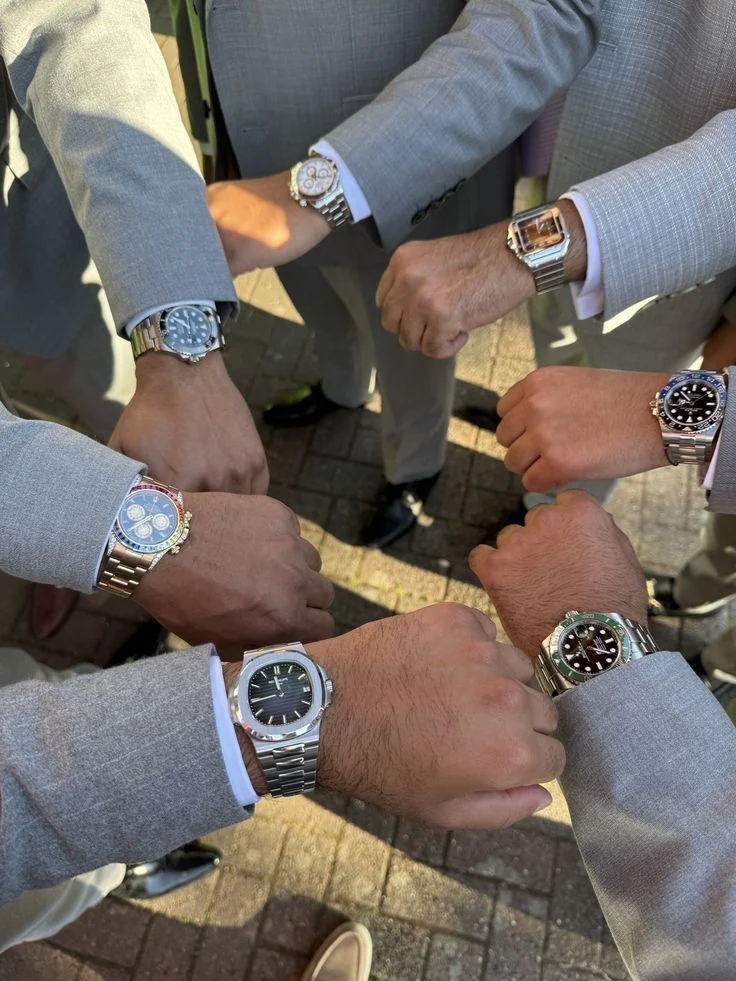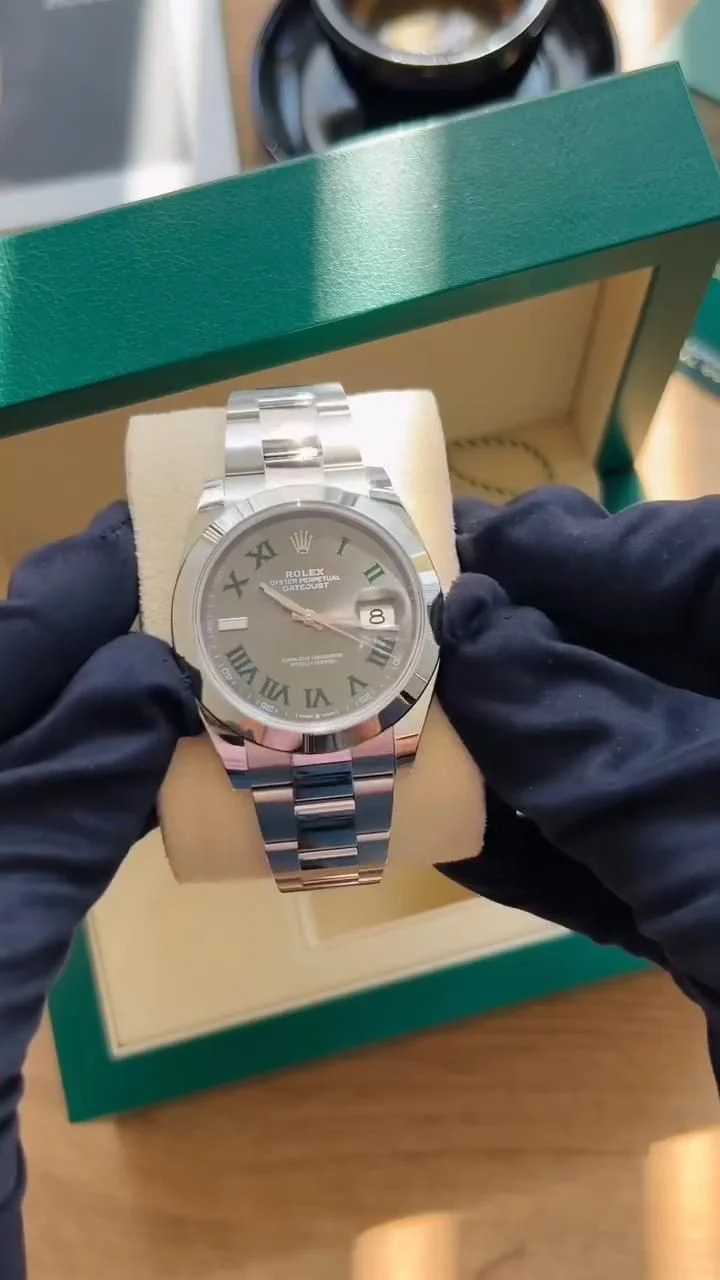
Yes. Rolex watches have serial numbers — unique identifiers engraved by the manufacturer — and modern Rolex also include the serial on the inner rehaut and on the warranty card. Where the serial is located and whether it can be used to determine the production year depends on the model and when it was made.
Detailed explanation
Rolex has used serial numbers for decades to track production, trace ownership and help authenticate watches. Historically, the serial number was engraved on the case between the lugs at the 6 o’clock position; the model or reference number was engraved between the lugs at 12 o’clock. To view those lug engravings, the bracelet had to be removed. Starting in the early 2000s Rolex introduced additional security features — most notably the tiny etched coronet (crown) on the crystal — and from around 2005–2008 began engraving serial numbers on the inner bezel (rehaut) for many models. Today, most modern Rolex watches display a laser-engraved serial on the rehaut at 6 o’clock and also come with a warranty card that lists the serial number.
There are two main eras to understand: the sequential prefix/serial era and the randomized serial era. Up until roughly mid-2010 Rolex used serial numbers that could be decoded to approximate a production year via prefix letters and sequence ranges. In approximately mid-2010 Rolex moved to randomized serial numbers to improve security and make simple date decoding impractical. Despite that change, the serial (randomized or sequential) remains a unique identifier recorded in Rolex service and warranty systems.
Key reasons / factors
- Authentication: Serial numbers are used to verify a watch’s authenticity when cross-referenced with Rolex records and paperwork.
- Provenance and history: Serial numbers can help establish production timeframe (especially for older, sequential-era watches) and link to original warranty cards and service history.
- Location differences: Older models: serial between the lugs at 6 o’clock; modern models: serial on the rehaut and on warranty cards.
- Serial format change: Sequential prefixes (pre-2010) vs randomized serials (post-2010) — affect how easily you can determine manufacture year.
- Counterfeit risks: Fake Rolex often copy serials or use bogus numbers; matching serial to paperwork and inspection of engraving quality is essential.
- Service and replacement: Rolex records serials during service; major case replacement can complicate provenance if parts are swapped.
Comparison
- Older Rolex (pre-2000s / pre-rehaut): Serial engraved between the lugs at 6 o’clock; visible only after removing the bracelet. Serial numbers were largely sequential and could be decoded to an approximate year.
- Transitional models (2000s): Introduction of rehaut engraving on many models; both lug and rehaut serials may be present depending on year and model.
- Modern Rolex (post-2010): Serial commonly visible on the rehaut at 6 o’clock and on the warranty card; serial formats are randomized, reducing ability to date by serial alone.
- Other security marks: Micro-etched coronet on the crystal (since ~2002) complements the serial number as an authenticity feature.
Pros and Cons
- Pros:
- Helps confirm authenticity and deters counterfeiting when checked against paperwork and Rolex records.
- Allows tracing of warranty and service history through official Rolex channels.
- For older Rolex, serial decoding can give a useful production-year estimate—valuable for collectors and valuation.
- Cons:
- Randomized serials make it difficult or impossible to deduce production year for modern watches from serial alone.
- Fraudsters sometimes replicate or alter serial numbers and paperwork; a serial number alone is not proof of authenticity.
- Viewing lug-engraved serials requires removing the bracelet, which can be inconvenient and risks damage if done improperly.
FAQs
Can you find a Rolex serial number without removing the bracelet?
Yes. For many modern Rolex models the serial number is laser-engraved on the inner bezel (rehaut) at the 6 o’clock position and is visible by tilting the watch. Older models with lug-engraved serials require bracelet removal to inspect the case between the lugs.
Do fake Rolex watches have serial numbers?
Many counterfeit Rolex include copied or fabricated serial numbers. Some high-quality fakes may even replicate lug or rehaut engravings. Because of this, a serial number should be corroborated with the watch’s paperwork, Rolex service records, inspection of engraving quality, movement checks, and evaluation by a qualified watchmaker or authorized dealer.
Can a Rolex serial number be used to determine the manufacture year?
For watches from the sequential-era (generally before mid-2010), serial prefixes and number ranges often allow you to estimate the production year. For watches with randomized serials (post-2010) you generally cannot determine the production year from the serial alone; warranty cards or Rolex service records are better sources for date information.
Where else is the serial recorded besides the watch itself?
Rolex records serial numbers on the official warranty card, in dealer paperwork at the time of sale, and in Rolex service records when the watch is serviced by an authorized center. Always check the watch against its original warranty card and receipts when possible.
Can a serial number be removed or changed?
Illegally altering, removing, or re-engraving a serial number is possible but illegal and greatly reduces value and legality. Skilled forgers may attempt it, but professional inspection will often reveal tampering through evidence of rework, poor engraving quality or mismatched serial data in Rolex systems.