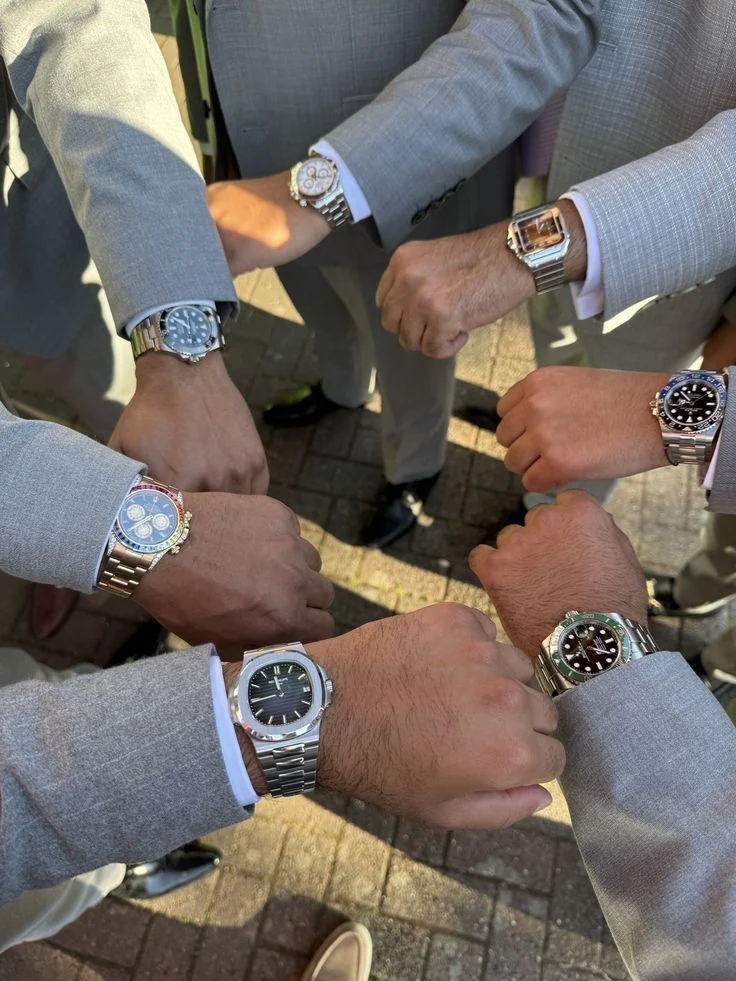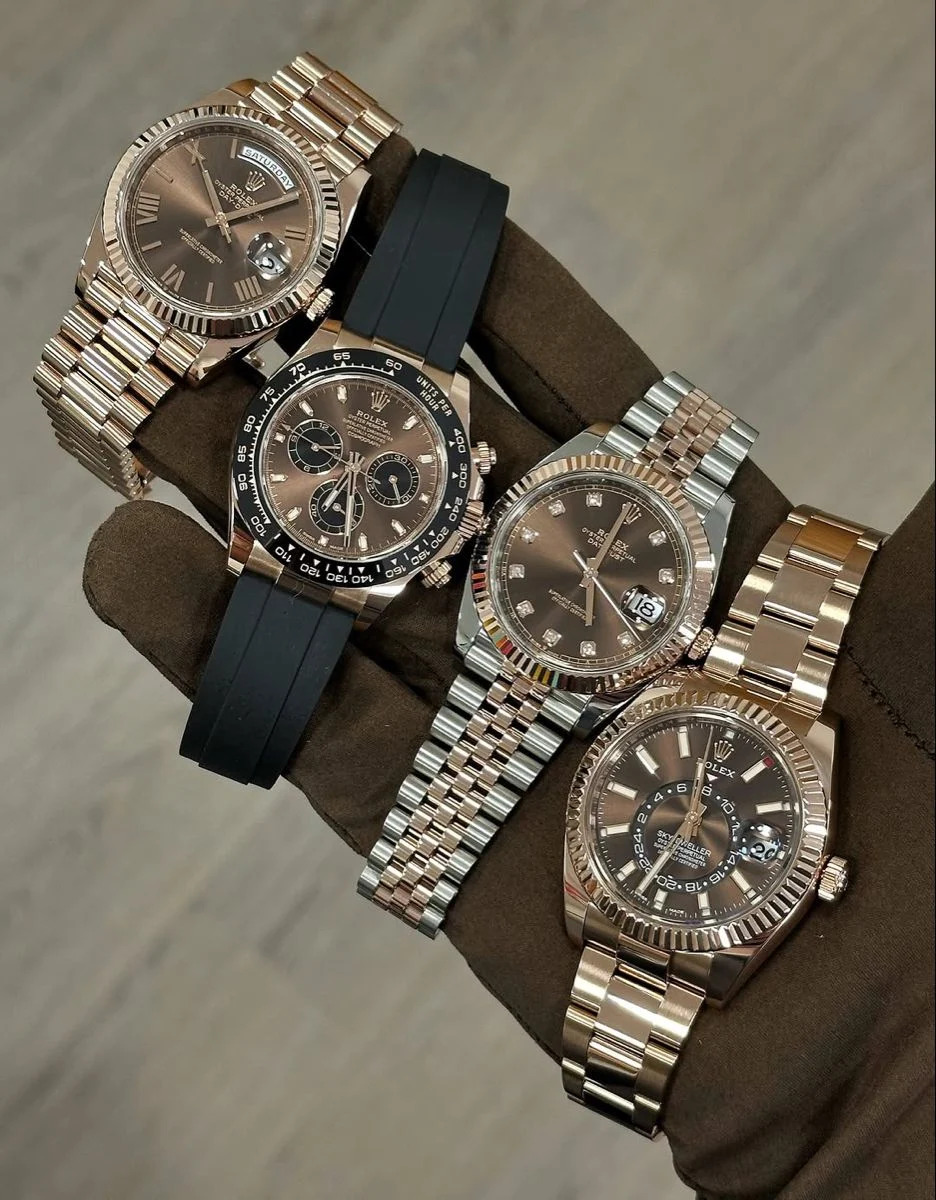
Direct answer: Yes — but not always. Certain Rolex models (especially sought-after sports models like the Daytona, Submariner, GMT-Master II and select vintage references) have historically appreciated in value and even outperformed many traditional investments. However, many Rolex watches do not reliably increase in price: appreciation depends heavily on model, rarity, condition, provenance, market timing and broader economic factors.
Detailed explanation
Rolex is one of the strongest brands in the luxury watch market, and that brand strength is a key reason why some Rolex watches appreciate. Over the last several decades, particular Rolex references — especially limited-production, discontinued or highly demanded sport models — have seen strong price gains on the secondary market. That appreciation reflects a combination of scarcity, collector demand, and the brand’s reputation for durability and resale value.
However, Rolex does not guarantee appreciation for every watch. Entry-level models or widely available references are less likely to rise in value and can depreciate like any consumer item. Appreciation also depends on timing: a watch bought at a retail premium during a hype cycle may only recover its price later, if at all. Other crucial variables include the watch’s condition, whether it has original box and papers, service history, and even the originality of components such as dial, hands and bezel.
Think of Rolex appreciation as model-specific and context-driven. If you want to buy a Rolex primarily as an investment, you need to be selective about the reference, buy at a reasonable price, preserve the watch well, and hold long-term — typically many years or decades — to maximize the chance of appreciation.
Key reasons / factors
- Model and reference: Iconic sport models (Daytona, Submariner, GMT-Master II, Sea-Dweller) historically appreciate more than basic dress models.
- Scarcity and discontinuation: Discontinued references or limited runs create scarcity that drives collector demand and price increases.
- Condition and originality: Watches in excellent, unpolished condition with original parts and factory dials command higher prices.
- Box, papers and provenance: Complete sets and documented history add value and credibility to resale listings.
- Market trends and hype: Pop culture exposure, celebrity ownership and collector trends can rapidly increase demand for certain models.
- Macro factors: Currency trends, inflation, and broader investment markets can influence demand for tangible luxury assets like Rolex watches.
- Supply chain and retail scarcity: When demand outstrips authorized dealer availability, secondary market premiums rise — sometimes driving long-term value expectations.
- Authenticity and paperwork: Watches with verifiable service records from authorized centers typically fetch better resale prices.
Comparison
- Rolex vs. Patek Philippe and Audemars Piguet: Patek and AP often command higher auction results for rare complicated pieces; these brands are seen as more “collectible” at the very high end. Rolex is more accessible and has broader mainstream demand.
- Rolex vs. Omega/Tudor: Omega and Tudor can hold value well, but generally they don’t reach the same consistent resale premiums as key Rolex sport models. Tudor is increasingly collectible, but still behind Rolex for top-tier appreciation.
- New vs. Pre-owned Rolex: Buying new at retail can be difficult for sought-after models and often involves waiting lists or dealer premiums; the pre-owned market reflects those shortages and may carry higher prices. Pre-owned watches can offer better value if bought wisely, but condition and authenticity are critical.
- Vintage vs. Modern: Vintage Rolexes with desirable dials or provenance can appreciate significantly, but they require expertise to avoid traps (refinished dials, replaced parts). Modern steel sports models have seen dramatic gains in the last decade thanks to strong demand and limited supply.
Pros and Cons
- Pros
- Strong brand recognition and global demand.
- Certain models have a track record of long-term appreciation.
- Rolex watches are durable and serviceable, preserving functional value.
- Large and liquid secondary market makes selling easier than many luxury items.
- Cons
- Not every Rolex will appreciate — many depreciate after purchase.
- Market volatility and hype cycles can lead to speculative bubbles.
- High purchase premiums and dealer markups can reduce potential returns.
- Maintenance, insurance and storage costs eat into overall ROI.
FAQs
1. Do all Rolex watches increase in value?
No. Only certain models and references tend to increase in value. Entry-level or mass-produced models may hold value reasonably well but rarely appreciate significantly. Rarity, demand, and condition are decisive factors.
2. Which Rolex models are most likely to appreciate?
Historically, the Rolex Daytona (especially vintage and rare dial variants), Submariner (discontinued or unique references), GMT-Master II “Pepsi”/“Batman” variants, and some Sea-Dweller and Explorer editions have shown strong appreciation. Special editions, discontinued dials, and factory defects that become desirable also rise in value.
3. Is buying a Rolex a good investment compared to stocks or real estate?
Rolex can be a good diversifier and sometimes outperforms other assets, but it’s not a substitute for diversified financial investments like stocks or real estate. Watches are illiquid relative to stocks and carry maintenance and storage costs. Treat Rolex purchases as a blend of enjoyment and potential value retention/appreciation, not a guaranteed investment vehicle.
4. How can I improve the chances my Rolex will appreciate?
Buy desirable references at reasonable prices, keep the watch in original condition, retain box and papers, maintain service records, and hold for the long term. Avoid aftermarket modifications and impulsive buys driven solely by short-term hype.
5. Should I buy new from an authorized dealer or on the secondary market?
Buying new guarantees authenticity and warranty, but popular models may carry inflated retail premiums or long waiting lists. The secondary market offers immediate access to sought-after references but requires careful vetting for authenticity, condition and provenance. Choose the channel that gives the best combination of price, authenticity and documentation.