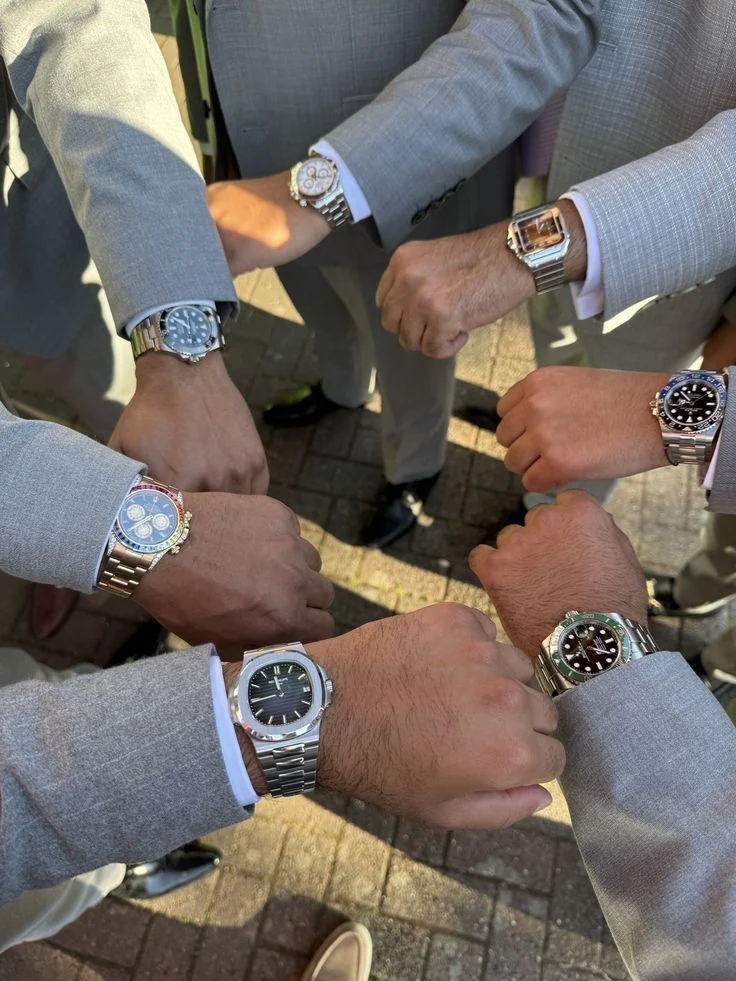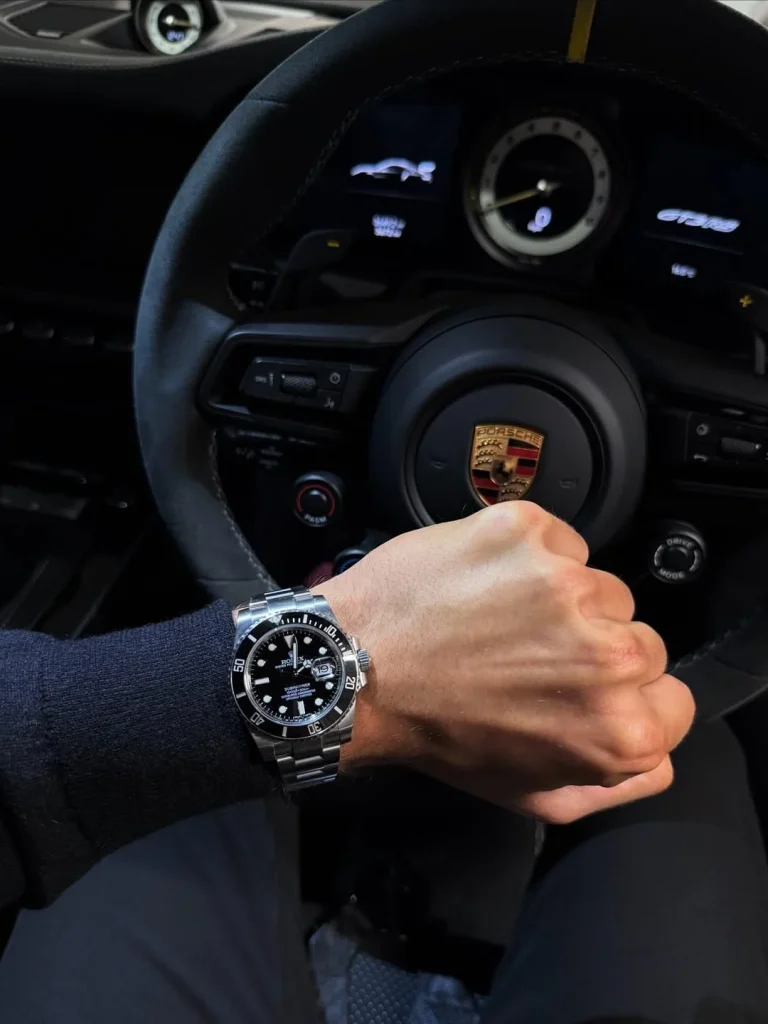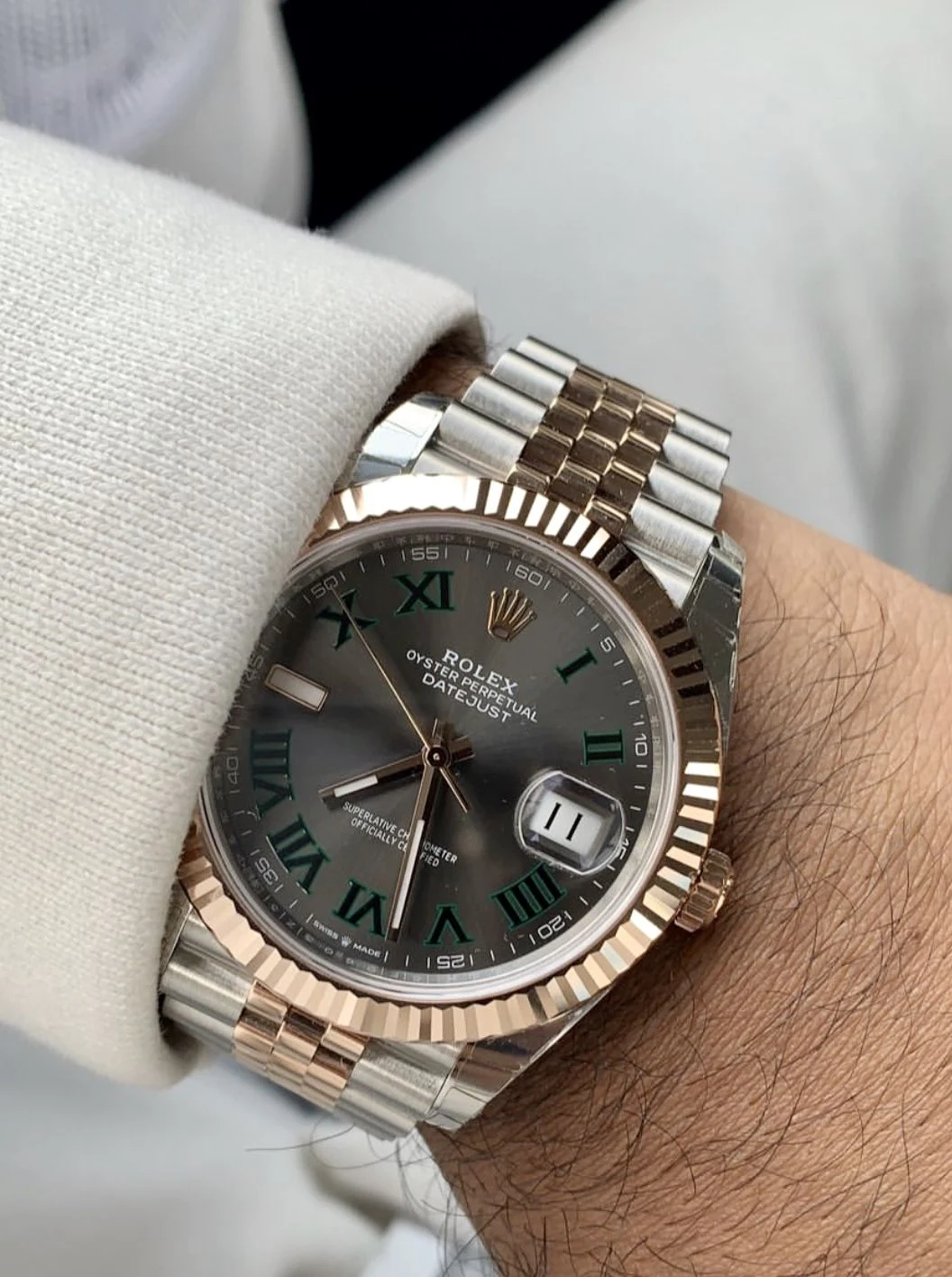
Direct answer: A used Rolex can be worth anywhere from roughly $1,500 for common entry-level older models to well over $100,000 for rare vintage pieces or in-demand steel sports models. Most modern pre-owned Rolex models—especially stainless steel sports references like the Submariner, GMT-Master II, and Daytona—retain a high percentage of retail value and often sell for near or above original retail; dress models and precious-metal pieces vary more. The exact value depends on model, condition, age, completeness (box & papers), provenance, and current market demand.
Detailed explanation
When someone asks “what is a used Rolex worth,” there is no single number that fits every watch. Rolex is a brand with a broad range: simple Oyster Perpetual or Datejust pieces at the lower end, iconic stainless-steel sports models in the mid-to-high range, and ultra-rare vintage or gem-set Day-Dates and Daytonas at the top. The market for pre-owned Rolex watches is driven by supply and demand, historical significance, and condition. For example, a current-production stainless Submariner (no date) pre-owned might trade for within 5–20% of retail depending on market conditions, whereas a scarce vintage “Paul Newman” Daytona can command multiples of modern retail prices.
Other practical issues affect price: whether the watch has been serviced, whether replacement parts have been fitted (which can reduce value for collectors), and whether it comes with original box, warranty card, and receipts. Market trends also shift—steel sports models have seen exceptional demand in the last decade, pushing resale prices up; however, market cooling or new releases can change that.
Key reasons / factors
- Model and reference: Certain references (e.g., Daytona 116500, GMT-Master II Pepsi, Submariner 16610/124060) are more desirable and command higher resale values.
- Condition: Case, bracelet, dial, crystal, and movement condition directly affect value. Unpolished cases and original finish are often preferred by collectors.
- Age and rarity: Vintage models or limited-production variants can be worth significantly more than similar modern pieces.
- Box & papers (completeness): Original warranty card, box, manuals, and receipts improve buyer confidence and can add 10–30% to value.
- Original parts vs. replacement: Watches with replaced dials or non-original hands/bezels are typically less valuable to collectors.
- Service history: A documented service history from an authorized Rolex service center can increase value and buyer trust.
- Market demand & trends: Current desirability and market liquidity for a model determine how much buyers will pay.
- Authentication & provenance: Provenance (previous owner, notable stories) and verified authenticity increase price.
- Materials: Stainless steel sports models often outperform precious-metal models in resale percentage.
Comparison (if relevant)
Below are approximate used price ranges to illustrate how value varies by model (prices are general estimates—actual values will vary by year, condition, and local market):
| Model / Category | Typical used price range (USD) |
|---|---|
| Oyster Perpetual / Entry-level Date | $1,500 – $6,000 |
| Datejust (stainless steel) | $3,000 – $10,000 |
| Submariner (steel) | $8,000 – $20,000+ |
| GMT-Master II (steel, Pepsi/Batman) | $10,000 – $30,000+ |
| Cosmograph Daytona (steel) | $25,000 – $200,000+ (vintage rare much higher) |
| Day-Date (gold/plat) | $12,000 – $60,000+ |
Note: These ranges are indicative. Vintage rarities and watches with celebrity provenance can exceed these ranges dramatically.
Pros and Cons
- Pros:
- Many Rolex models retain value or appreciate, especially steel sports references.
- Large, liquid secondary market—easy to sell through reputable dealers or auction houses.
- Durability and timeless design make Rolex watches desirable as daily wear and as collectibles.
- Cons:
- Risk of counterfeits and altered watches—authentication is essential.
- Not all models appreciate; dress and precious-metal pieces can depreciate or be volatile.
- Costs for servicing and potential replacement parts can be significant.
- Market fluctuations can reduce resale value in short term.
FAQs
How can I find the value of my used Rolex?
Start by identifying the reference and serial numbers (between the lugs or on rehaut depending on age), note the condition, and whether you have box & papers. Check recent sales on reputable platforms (auction houses, dealer listings, Chrono24, WatchCharts) and consult a trusted appraiser or authorized dealer for a formal valuation.
Does having the original box and papers really matter?
Yes. Original box, warranty card, manuals, and receipts increase buyer confidence and typically add value—often 10–30% depending on model and market. For collectors, completeness is a major factor.
Will a Rolex always appreciate in value?
No. While some models (notably certain steel sports references and rare vintage pieces) have shown strong appreciation, many Rolex watches simply hold value or see modest changes over time. Long-term appreciation depends on rarity, condition, and market demand.
Should I get my used Rolex authenticated before selling?
Always. Authentication from a reputable watchmaker, dealer, or auction house reduces buyer hesitation and can secure a better sale price. For high-value pieces, third-party grading or documented service history is highly beneficial.
Where is best to sell a used Rolex?
Options include authorized dealers, specialized pre-owned watch dealers, auction houses, and reputable online marketplaces. Each has trade-offs: auctions reach collectors (with fees), dealers provide speed and convenience (with margin), and private sales can minimize fees but require more vetting.