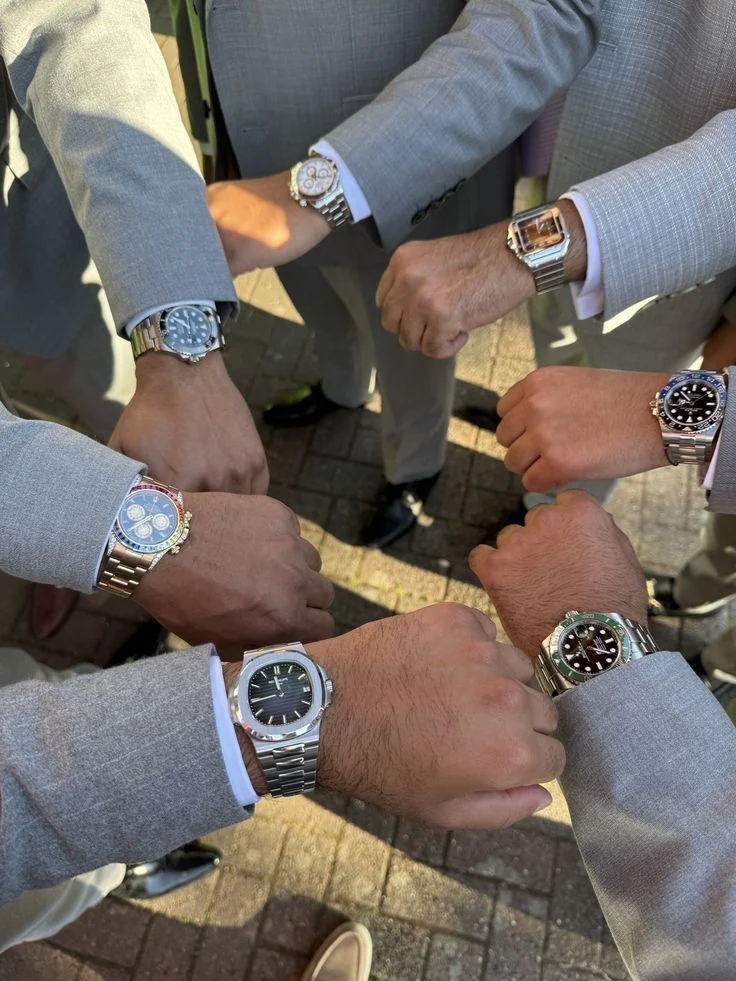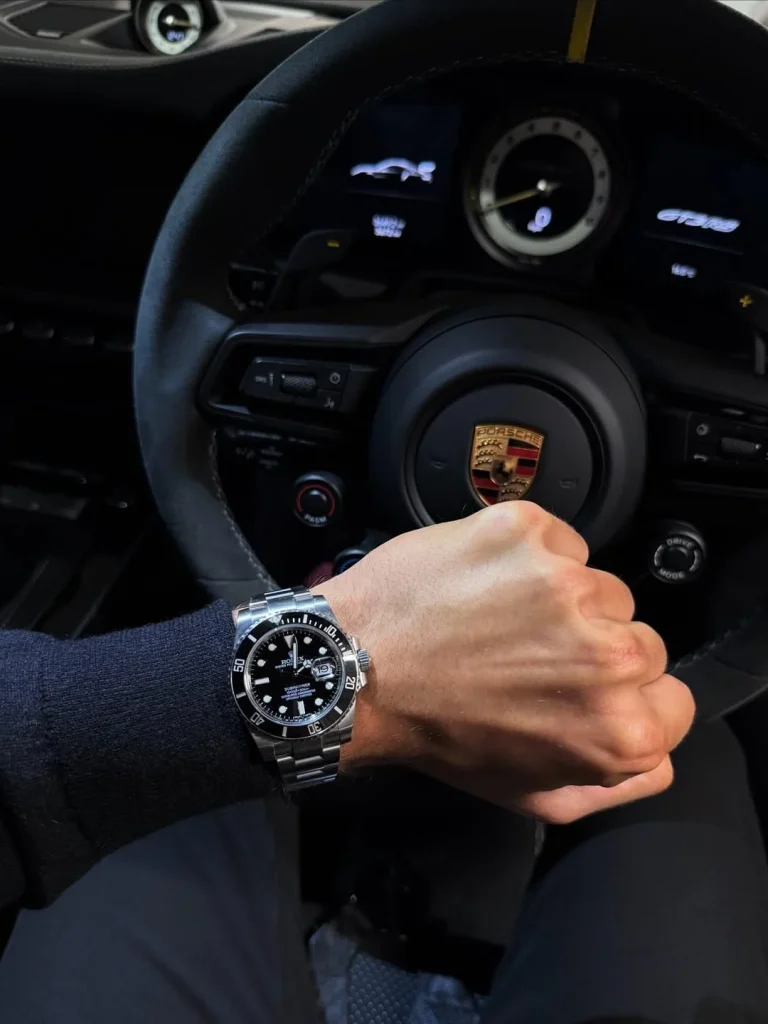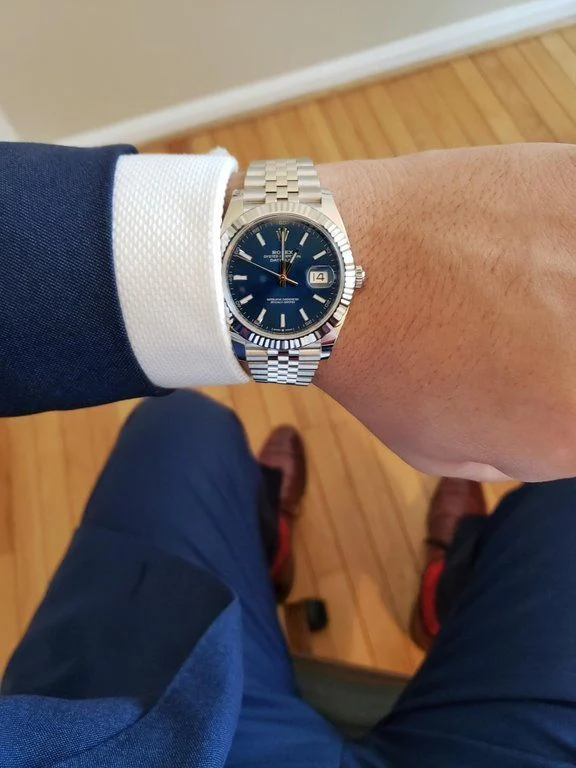
Direct answer: The price of a Rolex varies dramatically — a new entry-level Rolex (Oyster Perpetual/Datejust) typically starts around $4,000–$8,000 MSRP, steel sports models (Submariner, GMT-Master II) are commonly $8,000–$15,000 MSRP but often sell for significant premiums on the secondary market, while precious-metal and complicated models (Day-Date, Sky‑Dweller, diamond-set pieces) generally range from $20,000 to well over $100,000. Vintage, limited, or highly sought-after watches (like certain Daytonas) can sell for hundreds of thousands to millions. In short: how much is a Rolex depends on model, material, condition, and market demand.
Detailed explanation
When people ask “how much are Rolex’s” (or “how much is a Rolex”), they usually mean either current retail prices (MSRP), typical secondary market prices, or resale/vintage values. Rolex sets official retail prices for new watches, but actual transaction prices often differ because of waiting lists, dealer markups, and strong demand for certain sports models. The secondary market (pre-owned dealers, auctions, private sales) can push prices well above MSRP for popular references. Conversely, less popular or heavily worn pieces may sell below retail.
Key variables that determine the cost include the model and reference, case material (stainless steel, Rolesor/two-tone, Everose/rose gold, yellow/white gold, platinum), presence of complications (chronograph, annual calendar, GMT, moonphase-like features), bezel and dial materials (ceramic, gem-set), production year, rarity, and whether the watch includes original box and papers. Taxes, import duties, and currency exchange rates also affect the final price in different markets.
Key reasons / factors
- Model and reference: Submariner, GMT-Master II, Daytona, Datejust, Day-Date, Sky‑Dweller — each has different MSRP bands.
- Material: Stainless steel is the most common entry point; precious metals (gold, platinum) dramatically increase cost.
- Demand and scarcity: Popular sports models often carry waiting lists and secondary-market premiums.
- Condition and provenance: New-in-box with papers commands the highest prices; service history and originality matter for vintage pieces.
- Complications and gem-setting: Chronographs, annual calendars, and diamond bezels raise price significantly.
- Market channel: Authorized dealer MSRP vs gray market vs auction prices.
- Taxes and import fees: Sales tax, VAT, and customs duties vary by country and change the out-the-door price.
Comparison
Below is a simplified comparison of common Rolex categories showing approximate MSRP ranges and typical secondary market observations. These are general figures; specific references and special editions can be outliers.
| Rolex Category / Model | Typical MSRP range | Typical secondary market range |
|---|---|---|
| Entry-level (Oyster Perpetual, small Datejust) | $4,000–$8,000 | $3,500–$10,000 (depends on size & dial) |
| Steel sports (Submariner, GMT-Master II) | $8,000–$15,000 | $10,000–$40,000 (popular refs often above MSRP) |
| Rolex Daytona (steel) | $14,000–$18,000 | $30,000–$200,000+ (high demand vintage or modern) |
| Complicated / large (Sky‑Dweller) | $14,000–$25,000 | $15,000–$40,000 |
| Precious metal (Day‑Date, gold/plat) | $30,000–$60,000+ | $25,000–$100,000+ |
| Vintage & rare (collectible Daytonas, prototypes) | — | Hundreds of thousands to millions |
Pros and Cons
- Pros: Strong brand recognition, excellent build quality and in-house movements, good long-term desirability for many models, extensive service network, many models hold or appreciate in value.
- Cons: High premiums and waiting lists for popular sports models, MSRP increases over time, risk of buying fakes/poorly described watches on the gray market, servicing costs for older or heavily used watches.
FAQs
1. Is buying a Rolex a good investment?
Many Rolex models — particularly certain steel sports watches and rare vintage pieces — have appreciated over time, but not every Rolex is a guaranteed investment. Buy what you love; any investment upside is an additional benefit. Consider market timing, condition, and authenticity when buying for investment.
2. Why do some Rolexes sell for more than the retail price?
High demand, limited supply at authorized dealers, waiting lists, and collectors’ interest drive secondary-market premiums. Popular sports models and discontinued references often command significant markups above MSRP.
3. Where should I buy a Rolex to get a fair price?
Authorized dealers are best for buying new at MSRP (if you can access a sought-after model). Reputable pre-owned dealers and auction houses are good for secondary-market purchases; always verify authenticity, get condition reports, and confirm return policies.
4. How much does a used Rolex cost?
Used Rolex prices vary widely: entry-level used pieces can be under MSRP, while popular modern sports models used can be significantly over MSRP. Condition, year, box/papers, and service history are key pricing drivers.
5. Do Rolex prices change frequently?
Rolex updates official retail prices periodically (usually annually) and market prices on the secondary market can fluctuate based on demand, collectibility, and broader economic conditions.