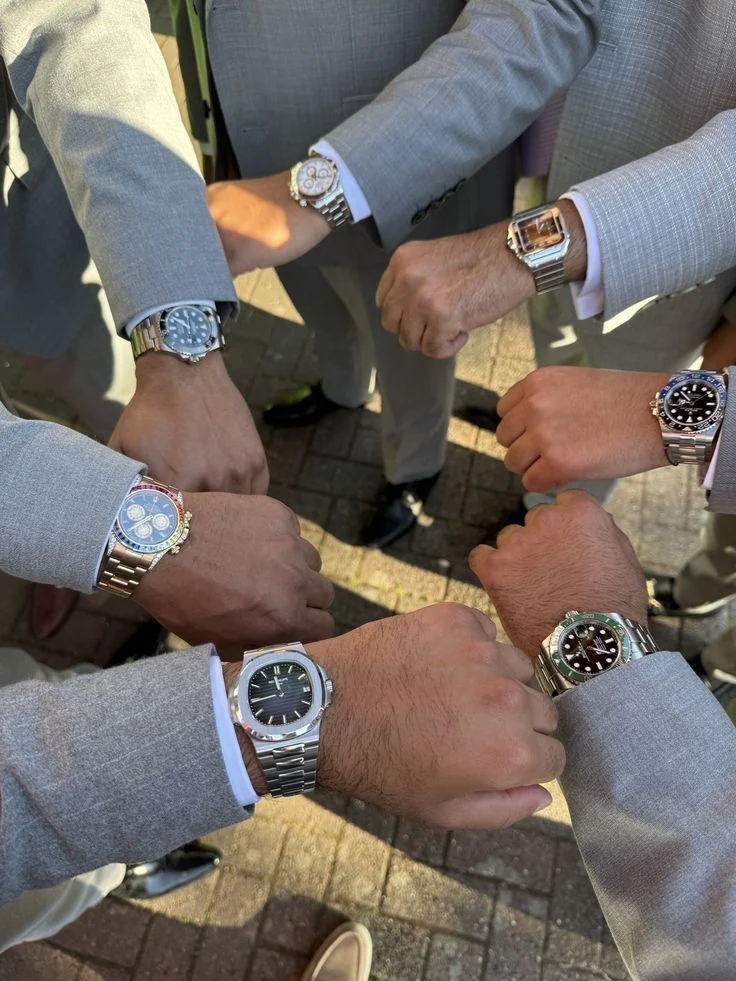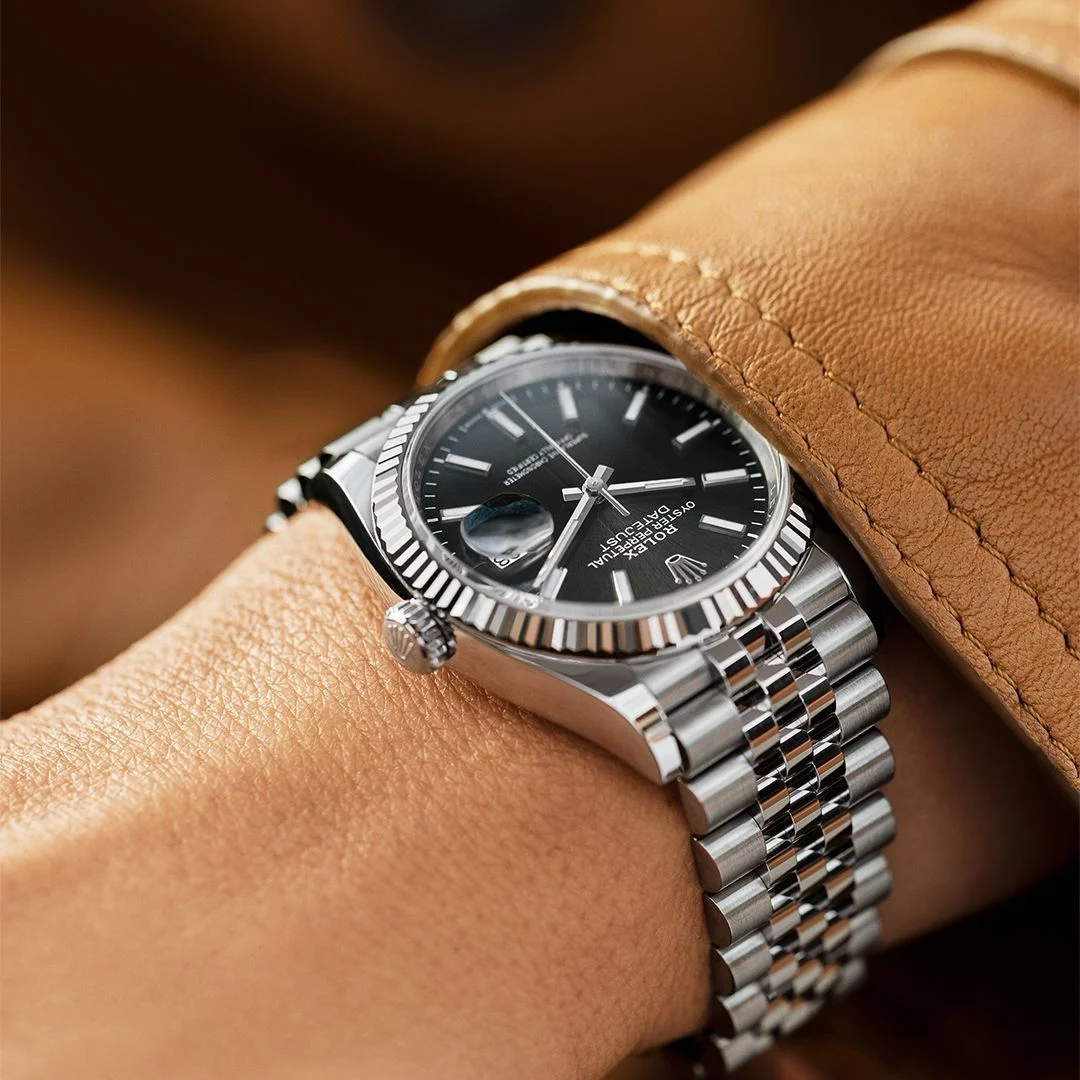
Direct answer: Rolex is expensive because of a combination of high-quality materials, in‑house engineering and manufacturing, rigorous testing and finishing, tight control of supply and distribution, strong brand heritage and marketing, and sustained global demand that creates scarcity and high resale value. In short, Rolex commands premium prices from production to resale due to craftsmanship, reputation, and market dynamics.
Detailed explanation
When people ask “why is Rolex so expensive” or “why are Rolex watches expensive,” the short answer often points to prestige. That prestige, however, is built on concrete, measurable factors: Rolex invests heavily in metallurgy, research and development, precise assembly, and long-term quality control. The company makes most components in‑house, from cases and bracelets to movements and proprietary alloys such as Rolesor and Oystersteel. This vertical integration reduces dependence on suppliers but raises fixed costs that are passed into retail prices.
Rolex watches undergo extensive testing and finishing. Movements are certified chronometers and often adjusted beyond COSC standards; cases and bracelets are polished or brushed by skilled hands; dials receive meticulous printing and applied indices. Rolex also maintains strict testing for water resistance, shock tolerance, and timekeeping across temperature ranges, which requires specialized equipment and skilled technicians. All of this increases production time and per‑unit cost compared to mass market watches.
Beyond production, Rolex controls distribution through authorized dealers, limits production relative to demand, and closely manages marketing and sponsorships that bolster the brand’s aura. Limited availability, famous models (Submariner, Daytona, GMT‑Master II), and a strong secondary market mean many models retain or increase value—making consumers willing to pay a premium at retail.
Key reasons / factors
- Materials and metallurgy: Rolex uses proprietary alloys like 904L stainless steel (Oystersteel), solid gold, and unique gold/steel combinations (Rolesor). These materials cost more and can be harder to machine and finish.
- In‑house manufacturing: Movements, cases, bracelets, and many components are produced within Rolex facilities. Vertical integration increases quality control but raises costs.
- Movement quality and certification: Rolex movements are robust, often COSC‑certified and then regulated to tighter tolerances, with innovations such as Parachrom hairsprings and Chronergy escapements improving performance.
- Finishing and assembly: Hand assembly, meticulous finishing, and stringent inspection add labor cost and time per watch.
- Testing and durability: Pressure testing, shock testing, timekeeping tests, and longevity checks require investment in specialized equipment and protocols.
- Brand heritage and marketing: A century of heritage, iconic designs, advertising, and high‑profile sponsorships sustain Rolex’s aspirational value.
- Controlled supply and distribution: Authorized dealer network and limited releases create scarcity, boosting perceived value and allowing higher pricing.
- Resale value and investment perception: Strong secondary market prices make customers view Rolex purchases as long‑term value, which supports higher retail prices.
- Service and warranty network: Rolex offers global aftercare and certified service centers, which are costly to maintain but add to the total ownership value.
Comparison
Comparing Rolex to other brands helps clarify why Rolex watches are expensive relative to alternatives:
| Feature | Rolex | Typical Luxury Brand (e.g., Omega) | Entry Luxury / Premium (e.g., Longines, Tudor) |
|---|---|---|---|
| Vertical integration | High — most parts made in‑house | Medium — some in‑house, more outsourcing | Low to medium — greater supplier reliance |
| Materials | Proprietary alloys, high gold content | High quality, some proprietary materials | Good quality, fewer proprietary alloys |
| Brand premium / resale | Very high | High but variable | Moderate to low |
| Price point | High entry price, limited discounts | Wide range, more promotional flexibility | Lower entry price, accessible |
| Innovation & testing | Continuous, heavy investment | Strong R&D, collaborative | Selective innovation |
Pros and Cons
Pros
- Exceptional durability and longevity — watches often last generations when serviced.
- Strong resale value and collector demand; some models appreciate.
- High precision and reliability from in‑house movements and rigorous testing.
- Prestige and recognizability — Rolex is an established symbol of luxury and success.
- Extensive global service network and warranty support.
Cons
- High upfront cost — many buyers pay significant premium over production costs.
- Limited availability can create long waitlists and dealer markups.
- Design evolution is conservative; some buyers may prefer more innovative aesthetics.
- Servicing costs can be substantial over the lifetime of the watch.
FAQs
1. Is Rolex overpriced compared to the actual production cost?
Rolex pricing includes production cost, R&D, marketing, dealer margins, and the value of brand equity. While the raw materials and manufacture may not fully explain high retail prices, the premium reflects intangible assets—heritage, scarcity, and resale outlook—that buyers value.
2. Do Rolex watches hold their value?
Many Rolex models retain value well and some appreciate, especially iconic steel sports models (e.g., Submariner, Daytona, GMT‑Master II). However, not every reference will increase; condition, rarity, and market trends determine resale performance.
3. Why are some Rolex models harder to buy than others?
Rolex intentionally controls supply for certain popular models and limits allocations to authorized dealers. High demand, limited production, and collectors’ interest lead to waitlists and secondary‑market premiums for those watches.
4. Are Rolex watches better than other luxury brands?
“Better” depends on priorities. Rolex excels at robustness, resale value, and iconic design language. Other brands may offer higher horological complexity, finishing, or artistry at similar or higher prices. For many buyers, Rolex’s balance of durability, prestige, and practicality is the deciding factor.
5. How should I decide whether to buy a Rolex?
Consider your budget, intended use, and whether you see the watch as an everyday timepiece, a collectible, or an investment. Try models in person, check authorized dealer availability, and research resale trends for the references you like.