Direct answer: In Japan, a Rolex can cost anywhere from roughly ¥500,000 for an entry-level pre-owned piece to well over ¥5,000,000 for popular modern stainless-steel sports models and luxury precious-metal references. New retail Rolex prices commonly start around ¥600,000–¥1,200,000 for classic models (Oyster Perpetual, Datejust) and can exceed ¥4,000,000 for sought-after models like certain Daytonas and gold/diamond pieces. Actual cost depends on model, condition (new vs pre-owned), availability, dealer premiums, consumption tax, and exchange rates.
Detailed explanation
When someone asks “how much is a Rolex in Japan,” there’s no single number because Rolex pricing is model-dependent and the market (retail vs secondary) strongly shapes final cost. Authorized dealers (ADs) sell new Rolexes at the official retail price set by Rolex Japan, which already includes the Japanese consumption tax (currently 10%). However, many desirable stainless-steel sports models (Submariner, GMT-Master II, Explorer, Daytona) are in short supply and rarely sold at retail price unless you are on a waitlist—on the secondary market these can command large premiums, sometimes 20% to 200% above the retail price depending on model and condition.
Pre-owned and grey-market sellers in Japan form a mature market with many specialist shops (Tokyo’s Nakano, Ginza, and Ueno areas are well known) and online platforms. Prices there can be competitive or even advantageous for foreign buyers depending on the yen exchange rate and whether you can purchase duty-free. Tourists may benefit from Japan’s tax-free shopping on qualifying purchases, which effectively removes the 10% consumption tax if the store participates and you meet conditions.
Key reasons / factors
- Model and metal: Stainless-steel vs two-tone vs solid gold or platinum drastically change price. Sports steel models often sell at a premium due to demand.
- New (AD) vs pre-owned: Authorized retail price vs pre-owned market price. AD prices = MSRP (with tax); pre-owned can be lower for unpopular models or higher for high demand pieces.
- Availability and waiting lists: Limited supply of popular models increases secondary market prices.
- Exchange rate: If you’re buying with foreign currency, a weak yen makes Rolexes cheaper; a strong yen makes them more expensive compared to your home currency.
- Consumption tax and tax-free shopping: Domestic retail prices include 10% consumption tax; eligible tourists can claim tax exemption or immediate tax-free purchase.
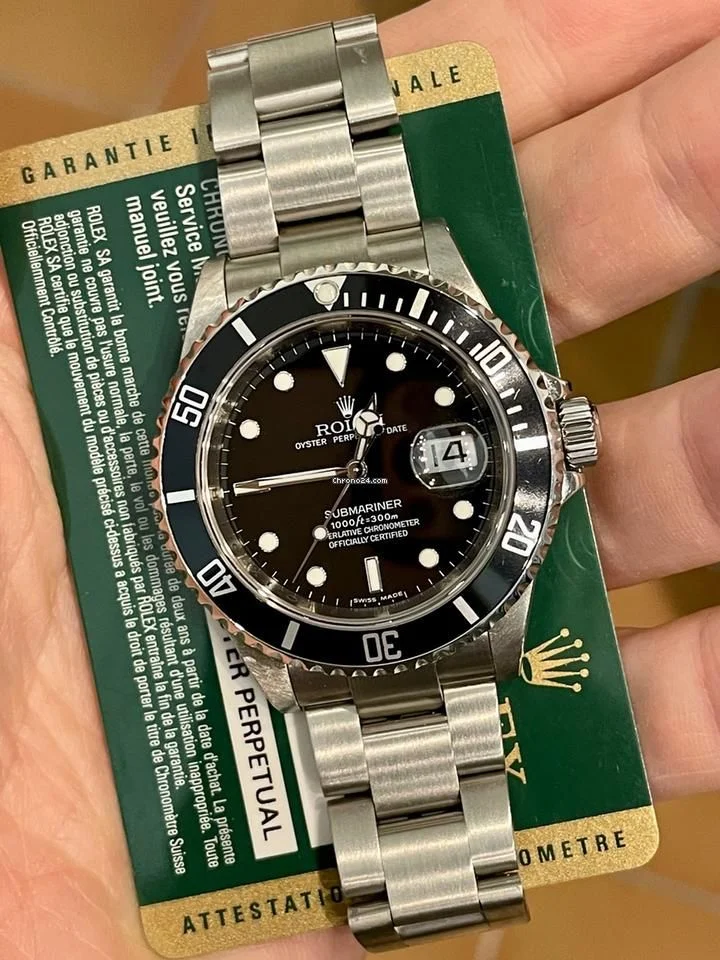
- Condition and provenance: Full set (box, papers), service history, and warranty affect value.
- Dealer reputation and warranty: Authorized dealers provide factory warranty; independent sellers may offer their own guarantees which influence price.
Comparison
Below is a sample comparison of typical price ranges in Japan for common Rolex categories. These are approximate ranges to illustrate differences between retail and the secondary market:
| Model (example) | Typical new retail (approx.) | Typical secondary market (approx.) |
|---|---|---|
| Oyster Perpetual / Entry-level | ¥600,000 – ¥900,000 | ¥500,000 – ¥900,000 |
| Datejust | ¥900,000 – ¥1,800,000 | ¥800,000 – ¥1,700,000 |
| Submariner (steel) | ¥1,200,000 – ¥1,600,000 | ¥1,400,000 – ¥3,000,000+ |
| GMT‑Master II (steel) | ¥1,300,000 – ¥1,800,000 | ¥1,500,000 – ¥4,000,000+ |
| Daytona (steel) | ¥2,500,000 – ¥3,800,000 | ¥3,500,000 – ¥10,000,000+ |
Note: These figures are illustrative and will vary with time, exact reference, and market conditions. For the most accurate and current retail price, check an authorized Rolex dealer in Japan.
Pros and Cons
- Pros
- Large, experienced pre-owned market with reputable shops and frequent stock.
- Possibility of tax-free purchase for tourists (saves 10% consumption tax).
- High standards of authentication and maintenance services in Japan.
- International Rolex warranty on new watches—valid worldwide.
- Cons
- High demand and limited supply for hot models lead to significant secondary market premiums.
- Authorized dealers may have long waitlists or restrict sales to preferred customers.
- Prices fluctuate with the yen; exchange rate risk for foreign buyers.
- Need to be cautious of gray-market imports or sellers without solid reputation.
FAQs
1. Is it cheaper to buy a Rolex in Japan or in my home country?
It depends. If the yen is weak and you can buy duty-free as a tourist, Japan can be competitive or cheaper. However, official retail prices are broadly aligned across major markets after local taxes. Secondary market premiums vary by country and by model, so compare both markets before buying.
2. Can tourists get VAT/tax refund on Rolex purchases in Japan?
Yes, tourists may be eligible for tax-free shopping (exemption from the 10% consumption tax) when purchasing in participating stores and meeting conditions (passport inspection, minimum purchase rules). Confirm the store’s tax-free policy and bring your passport.
3. Are pre-owned Rolex watches in Japan trustworthy?
Japan has a reputable pre-owned watch market with many experienced dealers who authenticate and service watches. Still, buy from established shops with warranty and clear provenance, and ask for service records and authentication paperwork.
4. Why are some Rolexes more expensive on the secondary market in Japan?
High demand and limited supply (especially for stainless-steel sports models) create scarcity premiums. Collectability, model discontinuation, and local buyer behavior also drive higher resale values.
5. Should I buy from an authorized dealer or a pre-owned shop in Japan?
Buy from an authorized dealer if you want brand-new watches, full factory warranty, and peace of mind—expect possible waitlists. Choose reputable pre-owned dealers for broader selection, potential cost savings on unpopular models, or immediate availability of sought-after references (but verify authenticity and warranty).