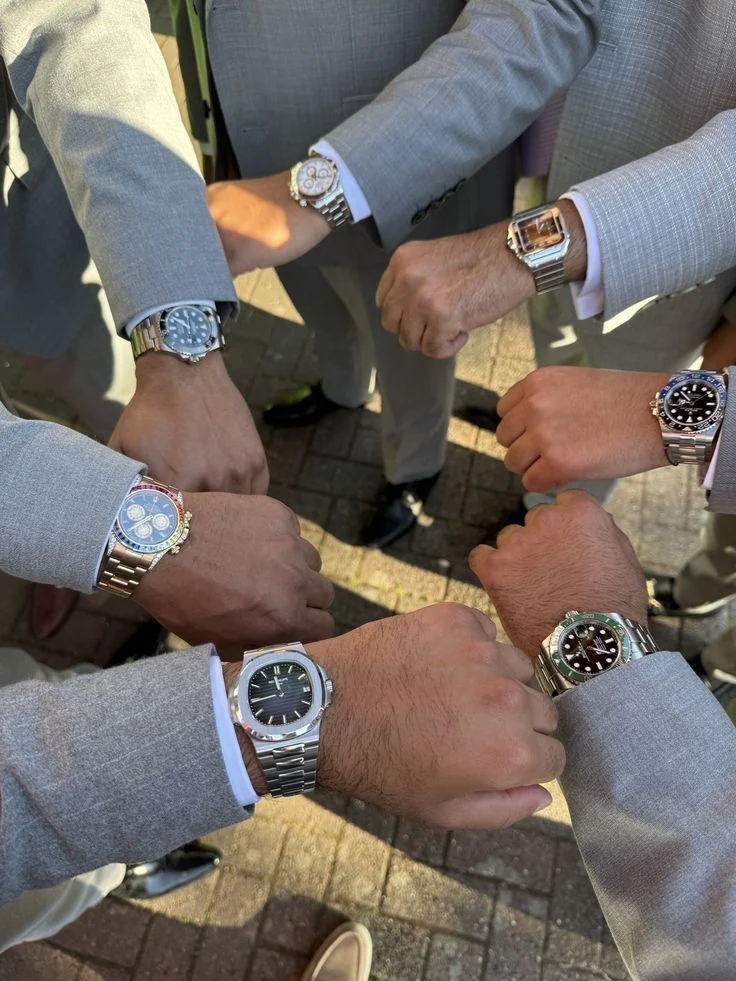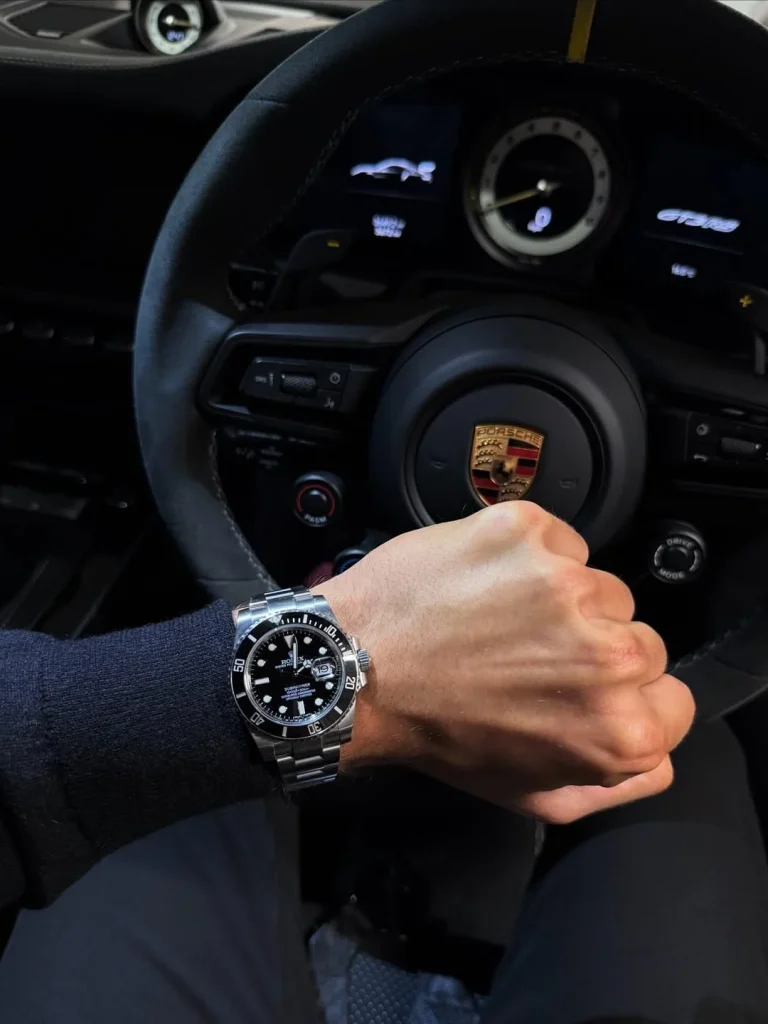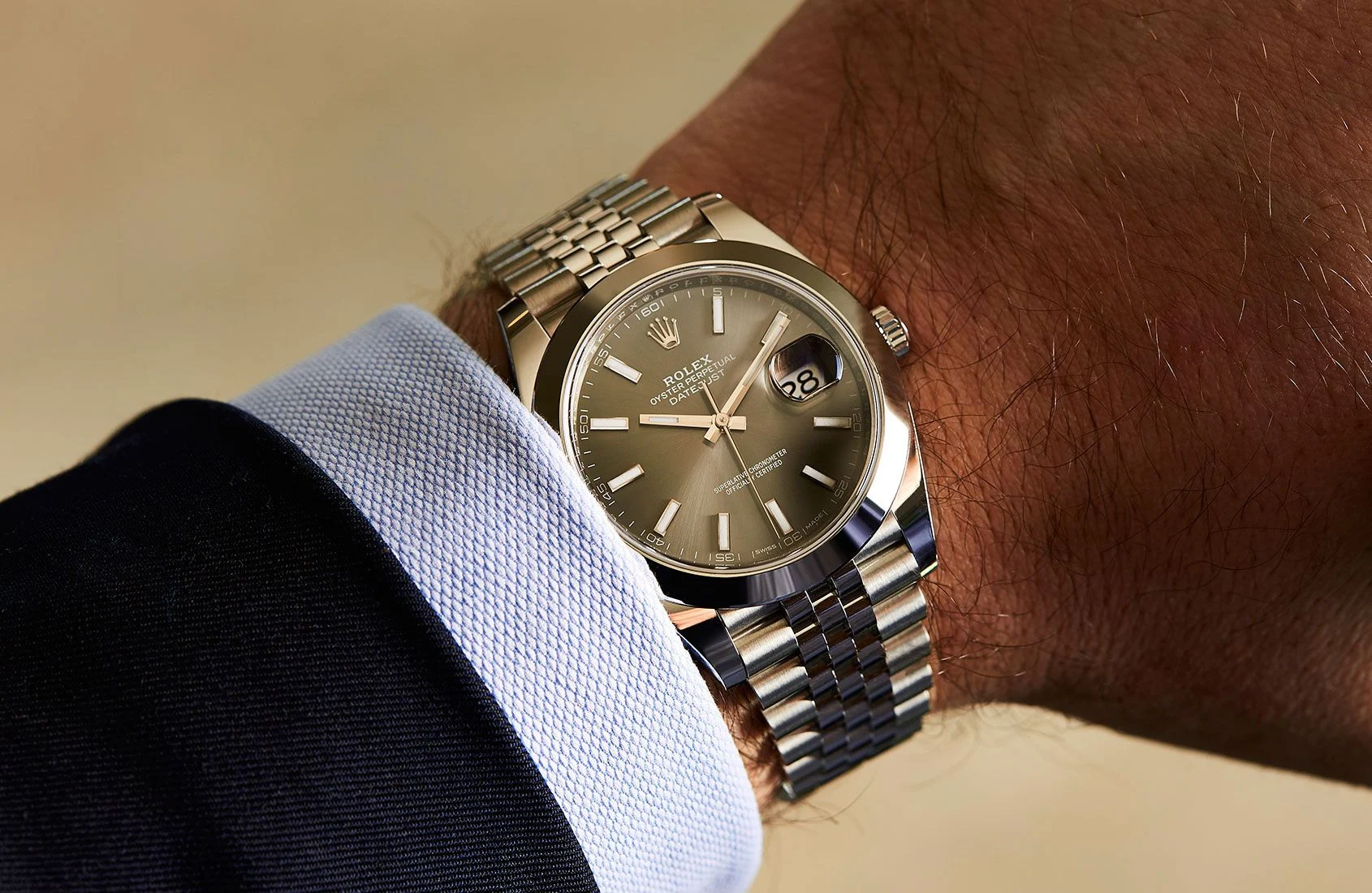
Short answer: The cost of a Rolex watch typically starts at roughly $5,000–$6,000 for new entry-level stainless-steel models and can exceed $75,000 for modern solid-gold or gem-set pieces; rare vintage Rolex and highly sought-after models can sell for tens or even hundreds of thousands (and in exceptional cases, millions) on the secondary market. Prices vary widely by model, material, market demand and condition.
Detailed explanation
When people ask “how much do Rolex watches cost,” they are often looking for a simple number, but Rolex pricing is a spectrum. Rolex makes many collections—from the relatively simple Oyster Perpetual and Datejust to the sport icons like Submariner, GMT‑Master II and Daytona, up to high‑jewellery and precious metal models. The manufacturer’s suggested retail price (MSRP) for new Rolex models gives a baseline, but real-world costs depend on availability, dealer premiums, taxes and the secondary market.
Key price drivers include materials (stainless steel vs. Rolesor vs. 18k gold vs. platinum), complications (date, GMT, chronograph), and finishing (gem-set bezels or dials add substantially). For popular stainless steel sport models, demand often pushes market prices well above MSRP — sometimes by tens of percent or more — especially for hard-to-find references. Conversely, less fashionable or discontinued models may sell at or below their original price.
| Model (example) | Typical new price range (USD, approximate) | Typical secondary market range (USD, approximate) |
|---|---|---|
| Oyster Perpetual / Entry-level | $5,000–$8,000 | $6,000–$12,000 |
| Datejust / Classic dress | $7,000–$14,000 | $7,000–$16,000 |
| Submariner (steel) | $8,000–$12,000 | $12,000–$30,000+ |
| GMT‑Master II (steel) | $10,000–$15,000 | $12,000–$40,000+ |
| Daytona (steel) | $15,000–$20,000 (varies) | $20,000–$200,000+ (rare refs) |
| Solid gold / Precious metal | $25,000–$75,000+ | $20,000–$200,000+ |
Key reasons / factors
- Model and collection: Some collections are positioned as entry-luxury, others as professional tool watches or luxury statements.
- Materials: Stainless steel is least expensive; two-tone (Rolesor), 18k yellow/white/everose gold and platinum cost significantly more. Gem-setting increases price dramatically.
- Complications: Chronographs, GMTs and certain calendar features add manufacturing complexity and cost.
- Availability and demand: High demand + limited supply (e.g., steel sport models) often push prices above MSRP on the secondary market.
- New vs pre-owned vs vintage: New MSRP vs pre-owned market prices differ; rare vintage pieces may command premiums for provenance and rarity.
- Condition and service history: A well-serviced Rolex with box and papers is worth more than one in poor condition or without documentation.
- Taxes, duties and dealer markups: Regional VAT or sales tax and authorized dealer practices affect final purchase price.
- Exchange rates and inflation: Global pricing shifts with currency fluctuations and changes in Rolex’s regional pricing strategies.
Comparison (if relevant)
Comparing Rolex prices to other brands helps frame expectations. Rolex sits in the high-luxury but accessible segment for many buyers: more expensive than entry-luxury brands like Seiko Presage or mid-range Swiss makers, but typically less than top haute horlogerie names for comparable complications.
- Rolex vs. Tudor: Tudor (Rolex’s sibling brand) offers lower prices and similar styling cues; Tudor is often a value entry point under $5,000.
- Rolex vs. Omega: Omega competes in many segments (e.g., diving watches); Omega MSRPs are generally lower than Rolex for comparable features, and Omega often has stronger retail availability.
- Rolex vs. Patek Philippe/Audemars Piguet: These brands typically cost significantly more and are more exclusive; Rolex remains one of the most recognizable names for high resale value and everyday luxury.
Pros and Cons
- Pros: Strong resale value, durable and reliable movements, iconic designs, global servicing network, recognizability and status.
- Cons: High upfront cost, long dealer waiting lists for popular models, secondary market premiums, ongoing service costs, theft and insurance considerations.
FAQs
How much is a Rolex on average?
There is no single average. If you take a broad view across all models, many new Rolexes fall between $7,000 and $25,000. However, averages are skewed by expensive precious-metal and gem-set models and the premium prices on the secondary market for sought-after sport models.
Why do some Rolex watches cost more than others?
Material differences (steel vs gold), complications, finishing, rarity and market demand drive price differences. Limited or discontinued references and vintage models with desirable provenance can dramatically increase value.
Are Rolex watches worth the price?
Many buyers find Rolex worth the price because of build quality, long-term value retention and brand prestige. Whether a Rolex is “worth it” depends on personal priorities: investment, daily wearability, heritage, or status signaling.
Can I get a discount on a new Rolex?
Authorized dealers usually sell at MSRP and may have waiting lists for popular models. Discounts on new Rolexes are rare, but authorized dealers sometimes offer incentives on less in-demand models. Pre-owned dealers may offer more price flexibility.
How does the secondary market affect Rolex prices?
The secondary market often has higher prices for in-demand steel sports watches due to scarcity. Conversely, oversupplied or less popular models can be found at or below original retail. The secondary market is also where collectors find rare and vintage examples that can reach very high prices.