Direct answer: A Rolex Oyster Perpetual Datejust typically costs anywhere from about $7,000 to $15,000 at retail for common stainless-steel and two‑tone models, while precious‑metal, gem‑set, or larger Datejust versions can range from $15,000 up to $40,000+. On the pre‑owned and grey markets prices vary widely — some references trade below retail, others sell at significant premiums (often $10,000–$30,000 or more) depending on rarity, dial, condition and paperwork.
Detailed explanation
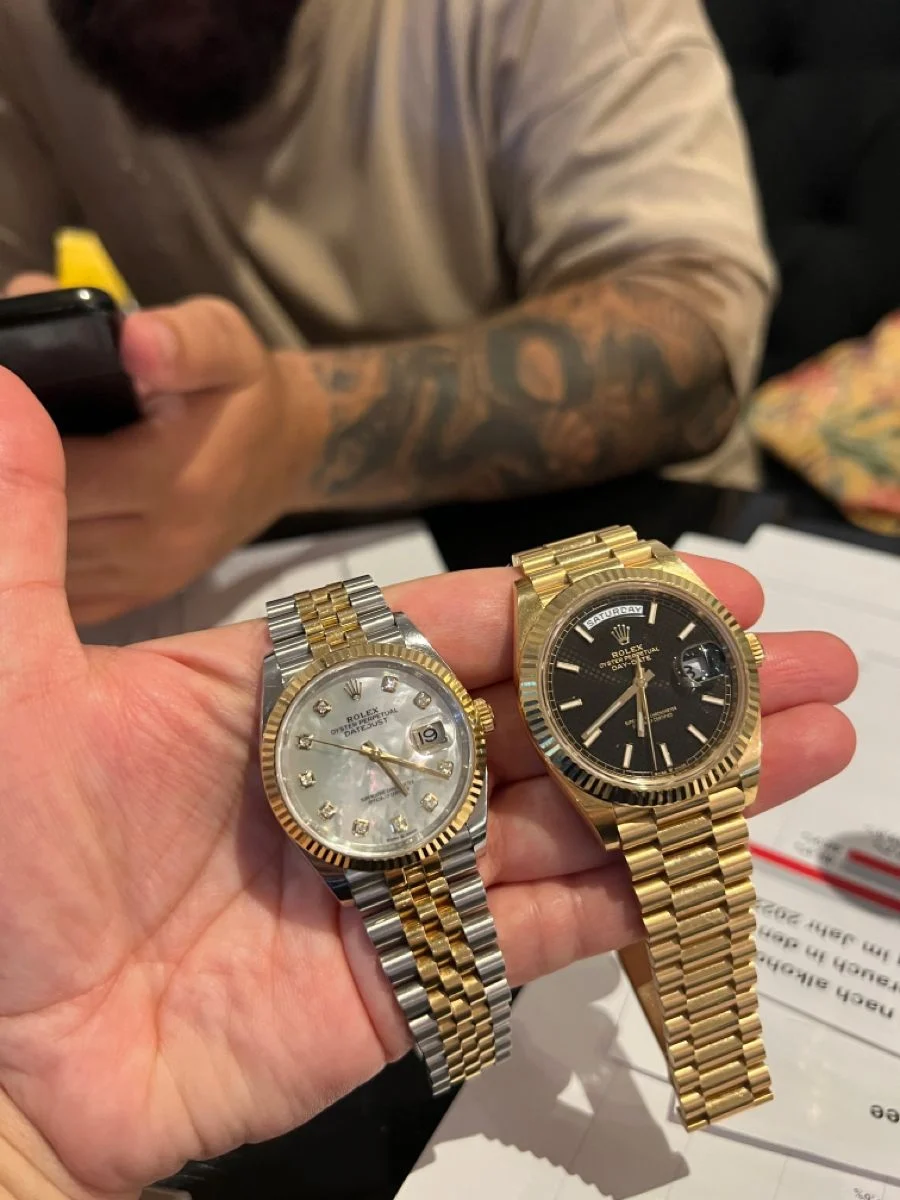
The question “how much is a Rolex Oyster Perpetual Datejust” can’t be answered with a single fixed number because the Datejust family includes multiple sizes, metals, dial options and bezel/bracelet choices, and the market fluctuates. The Datejust name covers models like the Datejust 31, Datejust 36, and Datejust 41, in finishes from full Oystersteel (stainless), Rolesor (steel + 18k yellow or Everose gold), to full 18k gold or even gem‑set variants. Retail list prices from Rolex are a baseline, but availability, dealer markups, limited editions, and collector demand push many models above or below those lists on the secondhand market.
Below is a practical pricing breakdown to help set expectations, followed by the main factors that affect price and a comparison to related Rolex models.
| Market | Typical price range (approx.) |
|---|---|
| New retail (basic Oystersteel Datejust) | $7,000 – $11,000 |
| New retail (Rolesor two‑tone/Datejust 41) | $10,000 – $18,000 |
| New retail (solid gold / gemset) | $18,000 – $40,000+ |
| Pre‑owned (common refs) | $6,000 – $20,000 (depending on age/condition) |
| Collectors / limited dials | Can exceed $30,000 – $50,000 |
Key reasons / factors
- Model and size: Datejust 31 vs 36 vs 41 — larger sizes and newer calibers often carry higher retail prices.
- Material: Oystersteel is cheapest; Rolesor (steel + gold) is pricier; full 18k gold or gem‑set versions cost the most.
- Bezel and dial: Fluted bezel (gold) vs smooth bezel, or diamond bezels and special dials (mother‑of‑pearl, stone, rare colors) add value.
- Bracelet type: Jubilee vs Oyster bracelets and precious metal clasps can affect price and desirability.
- Condition & provenance: New with box/papers vs worn without papers — collectors pay more for full sets and unpolished cases.
- Market demand & availability: Popular Datejust references or rare dial variants can trade at premiums on the secondary market.
- Region and taxes: Local taxes, import duties and authorized dealer markups influence the actual purchase price.
Comparison (if relevant)
- Datejust vs Oyster Perpetual: The Oyster Perpetual is Rolex’s time‑only model with no date, typically priced lower than a comparable Datejust because it lacks the date complication, cyclops lens and often simpler finishing. Datejust is positioned as a dressier, more feature‑rich classic.
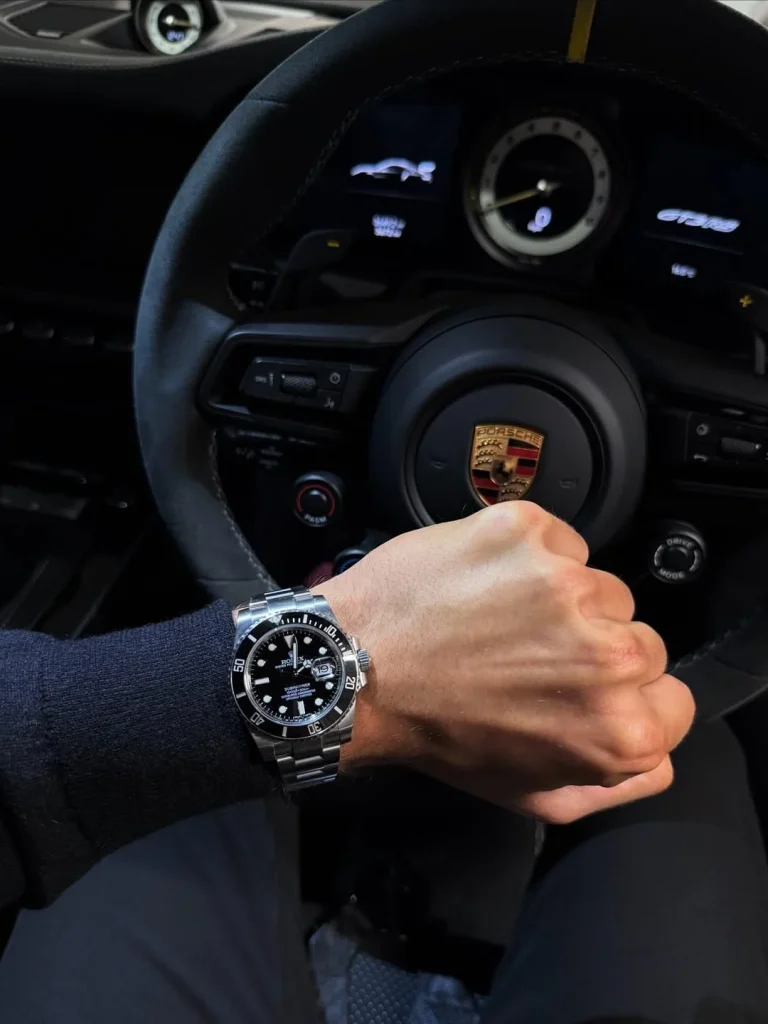
- Datejust vs Submariner/Explorer: Sports models like the Submariner and GMT‑Master II often command stronger secondary‑market premiums due to sporty design and scarcity, sometimes making them more expensive than similarly spec’d Datejusts on the grey market.
- New retail vs pre‑owned: When supply is tight, pre‑owned prices for desirable Datejust variants may exceed retail; when supply is normal, used examples can be bargains compared to new.
Pros and Cons
- Pros: Timeless design, wide range of styles and sizes, robust Rolex movement, strong brand recognition and good long‑term resale potential.
- Cons: Popular models can be hard to find at retail without a waitlist; dealer markups on new watches; some high‑end variants are expensive and may not appreciate as quickly as rarer sports models.
FAQs
1. Is a Rolex Datejust a good investment?
Many Datejust models hold value well, especially sought‑after dials, two‑tone Rolesor references and limited runs. However, unlike some sports Rolex models, not all Datejusts reliably appreciate — investment potential depends on model, rarity and market timing.
2. Can I buy a new Datejust at retail price?
Authorized dealers list Datejust prices according to Rolex’s retail pricing, but availability varies. Popular references may have waiting lists; some dealers apply market adjustments. Always verify with an authorized Rolex retailer.
3. How much should I expect to pay for a used Datejust in good condition?
For a well‑maintained pre‑owned stainless Datejust 36 expect roughly $6,000–$10,000; two‑tone and larger Datejusts usually range higher. Check condition, service history, and whether box/papers are included.
4. Do special dials or diamond bezels really increase the price?
Yes — rare dials (e.g., unique colors, linen, stone, vintage “pie‑pan”) and diamond or gem settings can substantially increase market value and desirability, often commanding premiums on both new and used markets.
5. Where should I buy a Datejust to get the best price?
Compare authorized dealers for new watches and reputable pre‑owned dealers or marketplaces for used examples. Verify authenticity, service records and return policies. For rare references, specialist dealers and auctions are common routes.