Direct answer: A Rolex typically costs anywhere from roughly $4,000–$6,000 at the very low end (older or small Oyster Perpetuals and some entry-level pre-owned pieces) up through $10,000–$50,000 for current stainless steel, two-tone and gold models at retail/secondary market, and can exceed $100,000 for precious-metal, gem-set, limited-edition or rare vintage pieces. In short: how much a Rolex costs depends heavily on model, material, age, provenance and where you buy it.
Detailed explanation
When people ask “how much Rolex” or “how much does a Rolex cost,” there’s no single number that covers every watch. Rolex offers a wide range of watches—from simple three-hand Oyster Perpetuals and Datejusts to specialized professional watches like the Submariner, GMT-Master II and Daytona, up to Day-Date and gem-set creations in solid gold or platinum. Retail (brand-new) prices are set by Rolex and vary by model and material. However, market realities (demand, limited availability, and collector interest) mean the secondary market often has different prices—sometimes higher than retail for in-demand steel sports models.
Key price categories you’ll encounter:
- Entry-level (pre-owned/new older models): Approximately $4,000–$8,000 — includes older Oyster Perpetuals or low-end pre-owned pieces.
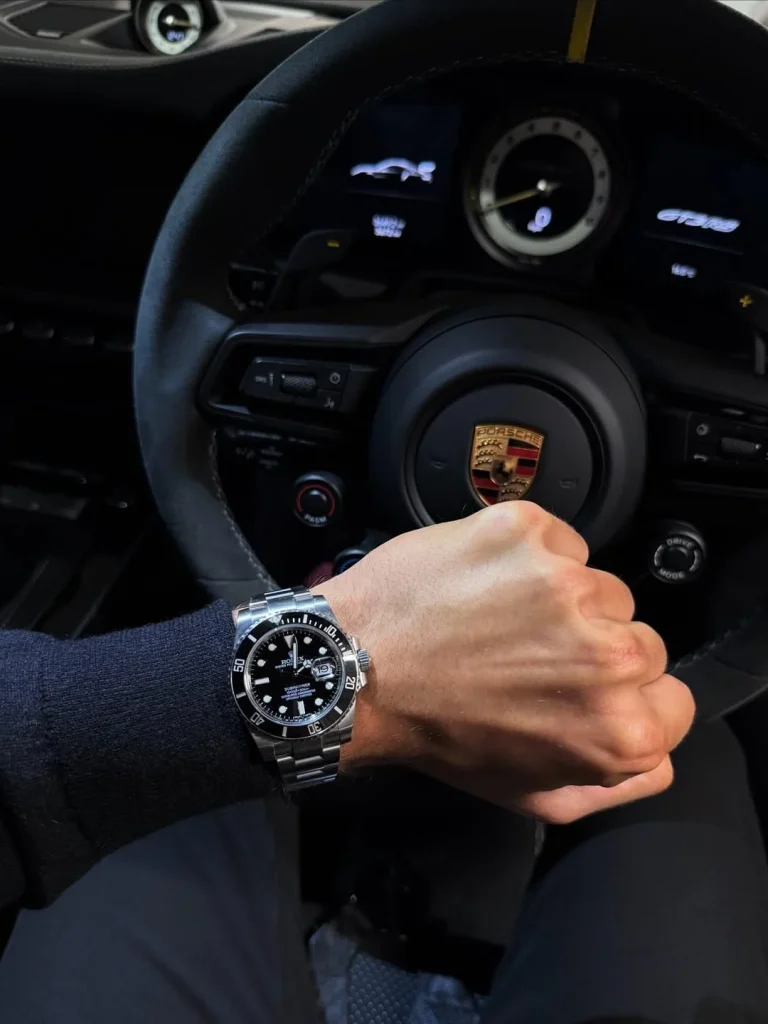
- Standard stainless-steel sport models: Approximately $8,000–$20,000 retail/market — includes Datejusts, Explorer, Submariner, GMT-Master II (prices vary by reference and year).
- Steel sports in high demand: Often sell above retail on the secondary market. Examples: modern Submariner, GMT-Master II “Pepsi” and Daytona.
- Gold, two-tone and precious-metal models: Approximately $12,000–$60,000+ depending on metal and complications.
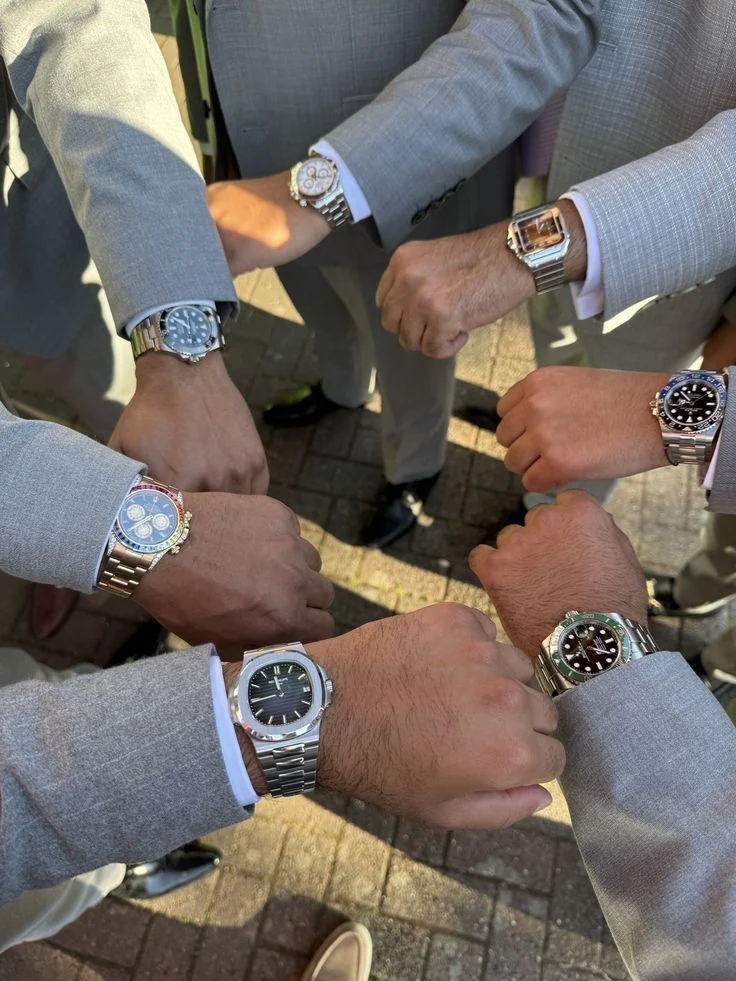
- High complication and gem-set pieces / vintage rarities: $50,000 to several hundred thousand dollars or more.
Key reasons / factors
- Model and reference: Sport watches (Submariner, GMT, Daytona) generally demand higher prices than basic Datejust or Oyster Perpetual models.
- Material: Stainless steel is the most common baseline; two-tone (Rolesor), 18k gold, platinum, and gem-set options substantially increase cost.
- Availability and demand: Limited supply and high demand—especially for modern steel sports models—push secondary-market prices above retail.
- Condition and age: New watches with warranty and full set (box and papers) command premium; well-preserved vintage pieces or those with rare dials can be worth much more.
- Provenance and rarity: Celebrity ownership, limited editions, or discontinued references can create collector premiums.
- Market and regional pricing: Taxes, import duties and local pricing strategies affect the sticker price in different countries.
- Service and ownership costs: Regular servicing, insurance and possible refurbishing add to lifetime cost.
Comparison
| Category / Model (example) | Typical Retail Range (approx.) | Typical Secondary Market |
|---|---|---|
| Oyster Perpetual (entry) | $5,000–$7,000 | $4,000–$10,000 (depends on size/color) |
| Submariner (stainless) | $8,000–$10,000 | $9,000–$20,000+ |
| GMT-Master II (steel, popular colorways) | $9,000–$11,000 | $12,000–$25,000+ |
| Daytona (steel) | $14,000–$18,000 | $25,000–$100,000+ |
| Day-Date (gold/platinum) | $30,000–$60,000+ | $25,000–$100,000+ |
Pros and Cons
- Pros:
- Respected brand with strong resale value for many models.
- High-quality movements, robust cases and long service life.
- Wide variety: sport, dress, precious metals and vintage collectible options.
- Rolex watches can be a store of value, especially rare or in-demand references.
- Cons:
- High upfront cost; modern in-demand models often sell for premiums on the secondary market.
- Waiting lists at authorized dealers; sometimes hard to buy new at retail for popular models.
- Servicing and insurance add to lifetime cost.
- Market can be volatile for speculative purchases—buy for enjoyment, not only as investment.
FAQs
1. What is the cheapest Rolex I can buy?
The cheapest options are usually older pre-owned Oyster Perpetuals or simple Date models. Expect to find some pre-owned Rolex watches around $4,000–$6,000, but prices vary by condition, age and provenance.
2. Why are some Rolex models more expensive than others?
Differences in materials (steel vs gold vs platinum), movement complexity, rarity, demand and historical significance drive price differences. Popular sport models with limited availability often command premiums on the secondary market.
3. Should I buy new from an authorized dealer or pre-owned?
Buying new guarantees warranty and the newest condition, but for high-demand steel sports models you may face long waitlists. Pre-owned allows broader selection and sometimes better value, but requires careful verification (authenticity, service history, condition).
4. Is Rolex a good investment?
Some Rolex watches hold or appreciate in value, especially rare vintage references and certain modern sport models. However, not all watches will be profitable—buying for personal enjoyment and longevity is a safer approach than pure speculation.
5. What other costs should I expect besides the purchase price?
Expect periodic servicing (cost varies—often a few hundred to a few thousand dollars depending on the work and model), insurance, potential customs/import taxes, and possible bracelet adjustments or aftermarket extras.