Direct answer: To tell a genuine Rolex, check multiple authentication points: correct serial and model numbers, high-quality finishing and weight, a smooth sweeping mechanical movement, accurate cyclops date magnification, the tiny laser-etched crown at 6 o’clock, precise dial printing and lume, correct bracelet and clasp stamps, and reliable provenance (box, papers, servicing records). If any of these are missing or inconsistent, or you’re unsure, have a certified watchmaker or Rolex-authorized dealer open and inspect the movement.
Detailed explanation
Rolex makes watches to tight tolerances with high-grade materials and in-house mechanical movements. Fake Rolexes range from cheap replicas to very sophisticated counterfeit “super fakes.” Because counterfeiters focus on obvious outward details, the most reliable way to tell a genuine Rolex is to evaluate several factors together rather than rely on a single sign. Many high-level fakes can copy one or two features (like the logo or case shape) but fail to reproduce the exact weight, movement behavior, fine engraving, and internal components you find in an authentic Rolex.
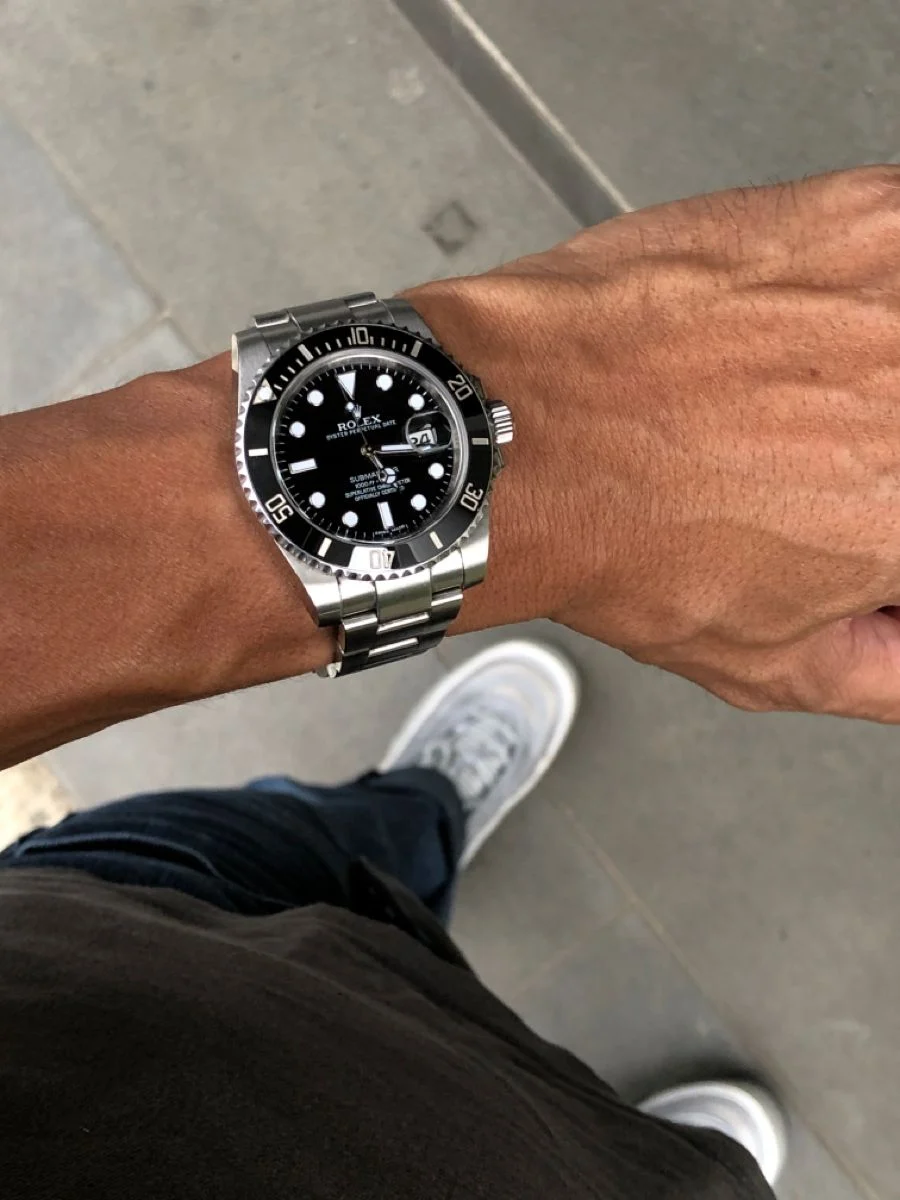
Start with visual and tactile checks: a genuine Rolex uses premium stainless steel (904L on modern models), solid gold or platinum, and often heavier metals than lower-quality fakes. The finishing is crisp—polishing, brushing, beveled edges, and dial printing are razor sharp. The date magnifier (cyclops) is centered and provides about 2.5x magnification on most modern Rolex models. The second hand should sweep smoothly (mechanical movement, typically 28,800 bph for many models) rather than tick like a quartz watch. Small anti-counterfeit features—such as the tiny laser-etched Rolex crown at the 6 o’clock crystal, and precise engravings on the caseback, inner bezel (rehaut) and between the lugs—are valuable clues.
Provenance matters: original box, warranty card, manuals, and service records strengthen authenticity but can also be faked. The definitive verification is opening the caseback to inspect the movement: genuine Rolex movements are in-house calibres with characteristic bridges, finishing, and Rolex stamps. Because opening the caseback may void seals if done improperly, have a trusted watchmaker or authorized Rolex service center perform internal inspection and pressure testing.
Key reasons / factors
- Movement: Genuine Rolex uses mechanical automatic movements with smooth sweep and specific calibre markings. Counterfeit watches often have generic or quartz movements.
- Weight and materials: Authentic Rolex watches feel solid and balanced; materials like 904L steel and gold feel heavier and more substantial than plated fakes.
- Cyclops magnification: Modern Rolex date windows commonly have ~2.5x magnification; misaligned or weak magnification suggests a fake.
- Dial printing and lume: Logo, text, and indices are crisply printed. Lume should glow evenly and brightly on genuine models.
- Micro-etched crown: Since ~2002, a tiny etched crown at the 6 o’clock crystal is present on many models; fakes often miss or crudely copy this.
- Engravings and serial numbers: Reference and serial numbers (between lugs or on rehaut) should be clean, engraved, and match paperwork when available.
- Bracelet and clasp: Check endlinks, solid links vs hollow, clasp code stamps, and the Rolex crown on the clasp. Cheap fakes use flimsy bracelets and incorrect endlinks.
- Caseback: Most modern Rolexes have a plain caseback; transparent or decorated casebacks on models that never had them indicate modification or fake.
- Service history and paperwork: Original warranty card, receipts, and service records from authorized centers support authenticity.
Comparison
- Genuine Rolex — high-quality finishing, correct weight, in-house movement with sweep, accurate cyclops, precise engravings, and consistent serial/reference markings. Can be verified via authorized service or watchmaker. Holds resale value and is covered by Rolex service protocols.
- High-end fake (“super clone”) — may mimic case shape, dial layout, and even some engravings. Often fails on movement authenticity (uses cloned or generic movement), micro-etching, exact magnification, and material feel. Internal finishing and serial engraving depth inconsistent. Harder to detect without opening the case.
- Low-end fake — obvious flaws: light weight, poor printing, misaligned cyclops, quartz ticking, cheap bracelet, incorrect caseback. Easily spotted by experience.
Pros and Cons
- Pros of buying a genuine Rolex
- Durable, long-lasting mechanical watch with strong resale value.
- Superior finishing, materials, and reliable in-house movement.
- Access to authorized servicing and parts from Rolex.
- Prestige, investment potential, and peace of mind with proper documentation.
- Cons and challenges
- High cost; temptation to buy cheaper fakes with convincing looks.
- Complex authentication for high-level counterfeits may require an expert or service center.
- Buying used or from private sellers carries risk without proper checks and paperwork.
FAQs
How accurate is the “sweep” test to tell if a Rolex is real?
The sweep is a helpful indicator: most Rolex automatics have a high beat rate that produces a smooth second-hand motion versus the one-tick-per-second of quartz. However, some sophisticated replicas use automatic clone movements that also sweep reasonably well. Use sweep as one factor among several—movement inspection remains definitive.
Can the serial number prove a Rolex is genuine?
Serial and reference numbers are important but not conclusive on their own. Counterfeiters sometimes copy real serials. Authenticity improves when serials are correctly positioned, deeply and cleanly engraved, and match paperwork and production era. Verification by Rolex or a certified watchmaker is recommended.
Is it safe to open the caseback myself to check the movement?
No. Opening the caseback without proper tools and expertise risks damage, dust contamination, and compromising water resistance. Always have the movement inspected by a professional watchmaker or Rolex-authorized service center.
How much should I trust “box and papers” when buying used?
Box and papers add confidence but can be forged. Verify that the warranty card matches the serial and reference numbers on the watch, and cross-check dealer stamps or service records. Buying from reputable dealers or getting an independent inspection reduces risk.
What’s the quickest way to reduce the risk of buying a fake?
Buy from authorized Rolex dealers or reputable, well-reviewed pre-owned dealers who provide authenticity guarantees and return policies. If buying privately, insist on a full inspection by an independent watchmaker before finalizing the purchase.