Direct answer: The quickest reliable way to tell a real Rolex from a fake is to examine build quality and movement: an authentic Rolex will have precise, high-quality finishing, a smooth sweeping seconds hand driven by a Swiss mechanical movement, correct serial/model engravings, a properly magnified date (if applicable), and consistent weight and sound — while many fakes show poor finishing, ticking seconds, wrong or missing engravings, incorrect magnification on the date, lighter weight, and sloppy fonts. When in doubt, have a trained watchmaker open the case or consult an authorized dealer for verification.
Detailed explanation
Rolex is one of the most frequently counterfeited luxury watch brands, so distinguishing an authentic Rolex from a fake requires attention to multiple details rather than a single test. Rolex watches are manufactured to strict tolerances: their cases, bracelets, dials, hands, and movements are finished with a level of precision that is difficult for counterfeiters to replicate consistently. Counterfeits range from cheap replicas that fail obvious tests to high-grade “super clones” that can fool many buyers. A methodical inspection that combines visual, tactile, and mechanical checks will reveal inconsistencies. Always combine what you observe with provenance — original paperwork, service records, and purchase from reputable dealers significantly reduce risk.
Key reasons / factors
- Movement and seconds hand: Authentic Rolex models use automatic mechanical movements with a smooth, nearly continuous sweep of the seconds hand (typically ~8 ticks per second on modern movements). Cheap fakes use quartz movements that tick once per second. High-quality clones may mimic sweep, so movement inspection by a watchmaker is definitive.
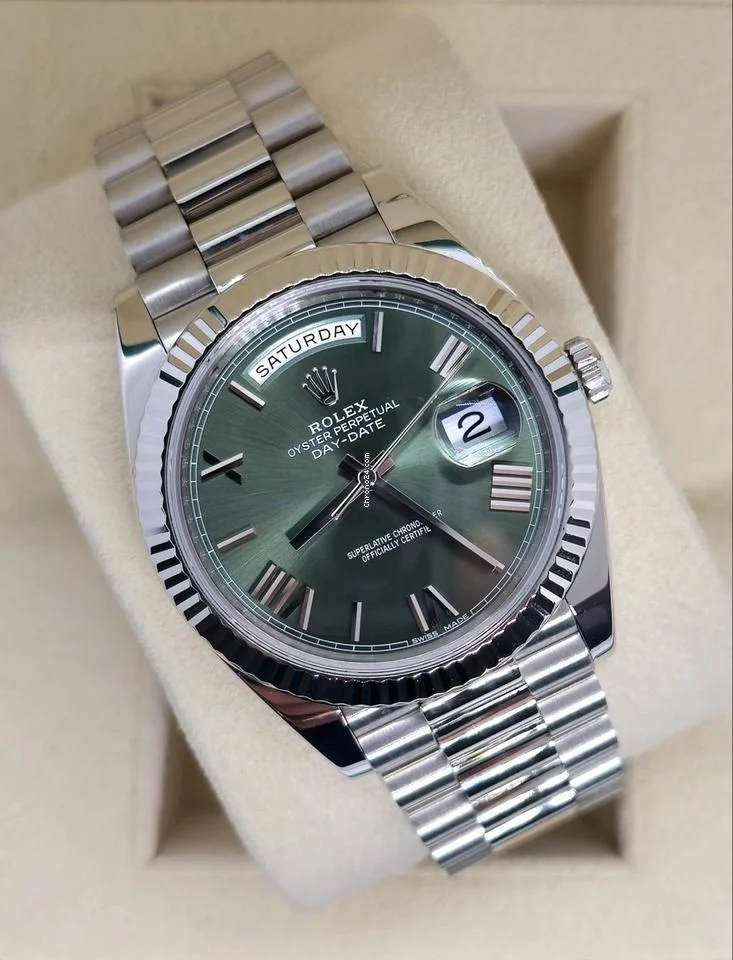
- Date magnification (Cyclops): Most Rolex models with a date have a Cyclops lens that magnifies the date 2.5x. Many fakes have weak magnification or misaligned lenses producing a smaller or distorted date.
- Weight and feel: Rolex uses solid metals and robust bracelets; authentic pieces feel substantial. Light weight and rattly bracelets often indicate poor materials.
- Engravings and serial numbers: Genuine Rolex engravings (between the lugs, on the rehaut, and inside the case back) are crisp, properly spaced, and precisely aligned. Fake markings are commonly shallow, uneven, or use incorrect fonts.
- Laser-etched crown: Since around 2002, Rolex lasers a tiny crown at the 6 o’clock crystal position. On originals it is very fine and centered; counterfeit versions are often crude or absent.
- Caseback and movement access: Most modern Rolexes have smooth casebacks without clear exhibition windows; aftermarket engravings or display backs are red flags. A trusted watchmaker opening the case can confirm the authentic Rolex movement.
- Bracelet and end links: Authentic Rolex bracelets have solid end links and tight tolerances; cheap replicas have hollow links, loose pins, and poorly finished clasps.
- Dial detail and lume: Fonts, logo printing, lume color and brightness, and applied hour markers are finely executed on real Rolex dials. Blurry text, misaligned markers, or inconsistent lume indicate counterfeits.
- Bezel action and materials: Rotating bezels (Submariner, GMT) should click firmly with even resistance. Ceramic inserts on modern models have crisp, precise markings, while fakes often use inferior materials and sloppy printing.
- Price and provenance: If the price is significantly below market and the seller lacks proper documentation or history, it’s a major warning sign.
Comparison
| Feature | Authentic Rolex | Fake Rolex |
|---|---|---|
| Seconds hand motion | Smooth sweep (~8 ticks/sec on modern calibers) | Distinct ticking (quartz) or inconsistent sweep |
| Date magnification (Cyclops) | 2.5x magnification, centered | Weak or no magnification, misaligned |
| Weight and finish | Heavy, excellent finishing, crisp edges | Light, rough finishing, poor edges |
| Engravings and serials | Crisp, correct font, rehaut engraving on modern pieces | Shallow, wrong font, missing or incorrect serials |
| Bracelet and clasp | Solid end links, secure clasp, precise stamping | Hollow links, loose clasp, sloppy markings |
Pros and Cons
- Pros of following these checks:
- Reduces risk of buying a fake
- Helps identify common counterfeiting methods
- Gives buyer confidence and negotiating leverage
- Cons / Limitations:
- High-quality replicas can still pass many visual checks
- Some authentic vintage Rolexes show wear that mimics poor finishing
- Definitive authentication often requires opening the case or expert help
FAQs
How reliable is the Cyclops magnification test?
The Cyclops is a useful quick check: Rolex magnifies dates to roughly 2.5x. Many fakes have underpowered magnification or incorrect alignment. However, some high-end replicas replicate the magnifier closely, so use this test alongside other checks.
Can I tell a Rolex is real by weight alone?
Weight is a helpful indicator because Rolex uses dense metals and solid links, but it’s not definitive. Some fakes add weight to mimic heft. Combine weight assessment with bracelet construction, finishing, and movement checks for stronger evidence.
Is the laser-etched crown at 6 o’clock definitive proof?
The tiny etched crown is a good sign, but it can be counterfeited or worn away on older crystals. If present and well-executed it supports authenticity, but absence isn’t automatically proof of a fake on vintage models made before the feature was introduced.
Should I open the case to check the movement?
Opening the case and inspecting the movement is the most conclusive test, but it should be done by a qualified watchmaker or authorized dealer to avoid damage and to verify the correct Rolex caliber. Counterfeiters sometimes install fake movements or swap cases.
Where should I buy to avoid fakes?
Buy from authorized Rolex dealers, reputable second-hand dealers with strong return policies, or established auction houses. Always request service records, original box and papers when possible, and consider independent authentication for high-value purchases.