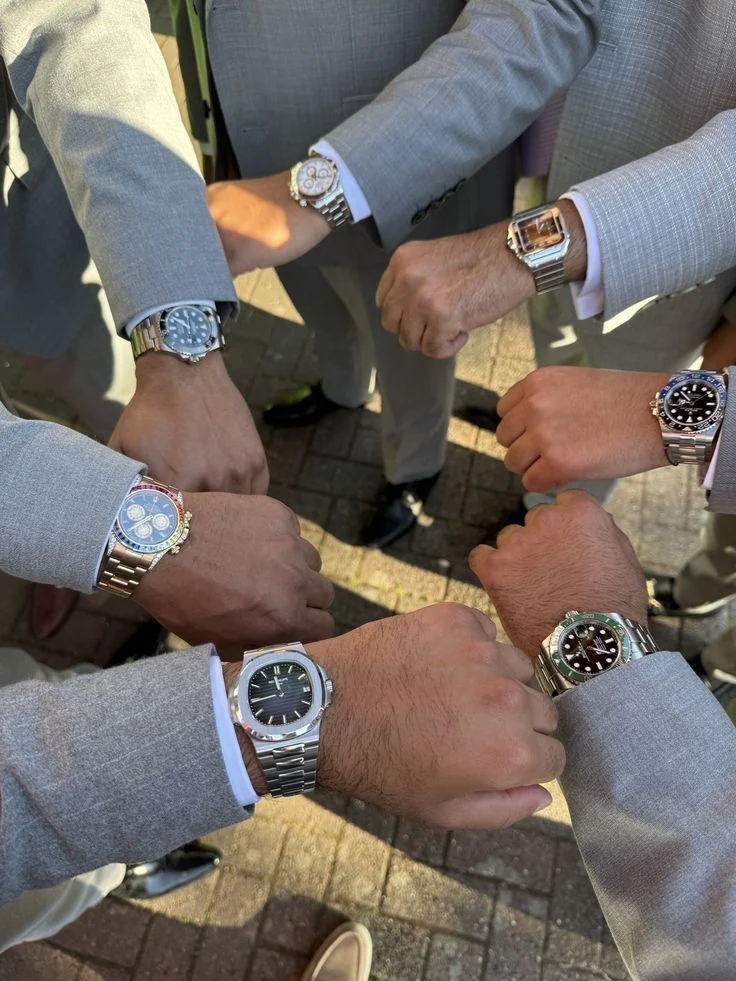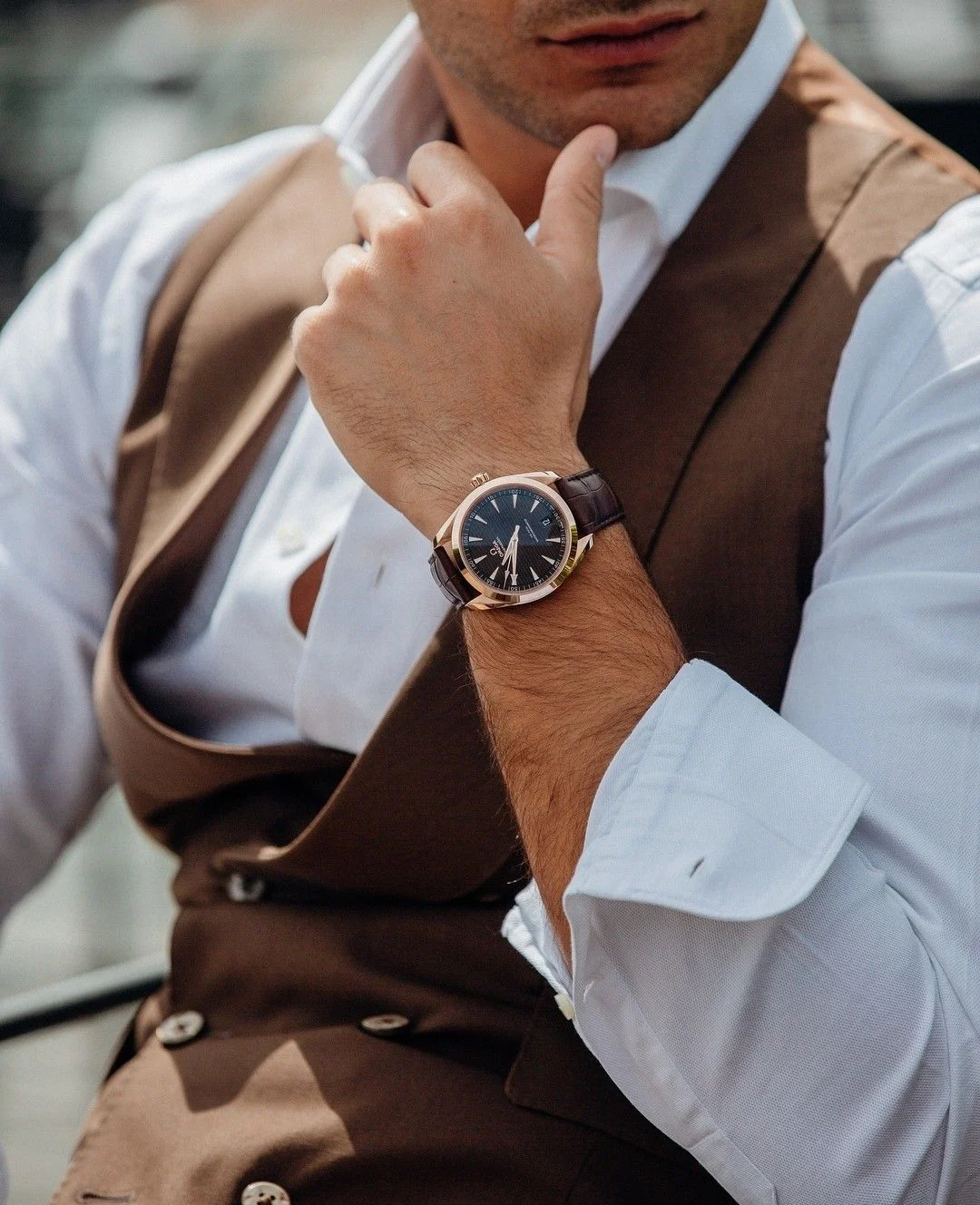
Short answer: Yes — but with important caveats. A Rolex can be a good investment compared with many consumer goods because of strong brand equity, liquidity, and historical price appreciation on many models. However, returns are model-dependent, timing-dependent, and not guaranteed; treats like rarity, condition, provenance, and market cycles matter. A Rolex is best seen as a potential alternative asset that also provides personal enjoyment, not a risk-free financial instrument.
Detailed explanation
Whether a Rolex is a good investment depends on what you mean by “investment.” If you expect guaranteed, steady returns like a broad stock index, a watch — even a Rolex — is not a direct substitute. If you want an asset that can retain value, sometimes appreciate materially, and is relatively liquid compared with many collectibles, certain Rolex models have historically performed well.
Rolex benefits from global brand strength, scarcity controls through Authorized Dealers (ADs), and a strong secondary market. Over the last two decades some references (e.g., stainless-steel sports models) experienced significant price appreciation and strong resale value. Yet not every Rolex rises in value: many classic Rolexes hold value rather than produce outsized gains, and newer trends can reverse during market corrections. Expect variability based on model, reference, dial, era, market sentiment, and macroeconomic factors.
Key reasons / factors
- Brand strength: Rolex is one of the most recognized luxury brands worldwide, supporting demand and resale value.
- Scarcity and distribution control: Rolex limits supply to ADs, creating waitlists and secondary market premiums for popular models.
- Model and reference: Sports models (Submariner, Daytona, GMT-Master II, Explorer) historically outperform many dress models. Limited or discontinued references often command higher premiums.
- Condition and completeness: Watches with original box, papers, correct serial/bracelet, and minimal polishing tend to resell for more.
- Provenance and rarity: Vintage pieces with unique dials, rare configurations, or celebrity provenance can appreciate substantially.
- Market cycles: Prices fluctuate with macroeconomics, collectible demand, and luxury market sentiment; short-term volatility is common.
- Authenticity and counterfeits: Ensuring authenticity through trusted sellers is crucial to preserve investment value.
- Costs and maintenance: Service costs, insurance, and possible import taxes affect net returns.
Comparison
Rolex vs other assets — quick comparisons to help context:
- Rolex vs stocks: Stocks are more liquid, diversified, and historically provide compounded returns with dividends; Rolexes can outperform certain periods but are less predictable and less liquid than major equities.
- Rolex vs other watches (Patek/Audemars Piguet): Patek Philippe and Audemars Piguet often deliver higher upside for very rare or complicated pieces, but Rolex offers broader liquidity and a larger buyer base for mid-priced to high-end sports models.
- Rolex vs gold/real assets: Rolexes are collectibles combining craftsmanship and desirability; they don’t hedge inflation in the same way physical commodities do but can preserve purchasing power in some cycles.
Pros and Cons
- Pros:
- Strong resale market and brand recognition.
- High liquidity for desirable models; many buyers globally.
- Potential for significant appreciation on the right references.
- Dual value: financial upside + personal enjoyment and wearable utility.
- Cons:
- No guaranteed returns; price volatility exists.
- Not as passive or diversified as index investing — requires knowledge and active management.
- Transaction costs: dealer markups, commissions, insurance, servicing.
- Counterfeits and dishonest sellers risk eroding value if not bought from trusted sources.
- Tax and import implications vary by jurisdiction and can reduce net gains.
FAQs
1. Which Rolex models appreciate the most?
Historically, stainless-steel sports models like the Daytona, Submariner, GMT-Master II (especially Pepsi and Batman), and certain Explorer/Sea-Dweller references have shown the strongest appreciation. Limited, discontinued, or special-dial editions (Paul Newman Daytonas, “Red” Submariners, specific vintage dials) can significantly outperform. Remember: past performance is not a guarantee of future returns.
2. Should I buy new at retail or pre-owned for investment purposes?
Buying new at retail can be ideal if you can obtain the watch without paying a dealer premium — some buyers flip new pieces at profit when demand is high. Pre-owned markets offer access to discontinued or rare references but require careful authentication and condition checks. For investment-minded purchases, buy from authorized dealers or reputable pre-owned specialists and keep original box, papers, and service records.
3. Is a Rolex a safer investment than other luxury watches?
Rolex is generally safer relative to many luxury watches due to its brand recognition, broad collector base, and strong secondary market. However, “safer” does not mean risk-free. The security of a Rolex investment still depends on model choice, purchase price, timing, and proper maintenance.
4. How long should I hold a Rolex to see potential returns?
Longer-term horizons (5–10+ years) typically increase the chance of meaningful appreciation and reduce the impact of short-term market fluctuations. Many collectors treat watches as multi-year to multi-decade commitments rather than short-term flips.
5. What should I do to protect the investment value of a Rolex?
Keep original packaging and documentation, avoid over-polishing, service with authorized centers or trusted watchmakers, store securely, insure the watch, and document provenance. Buy from reputable sources and obtain independent authentication for vintage or high-value pieces.