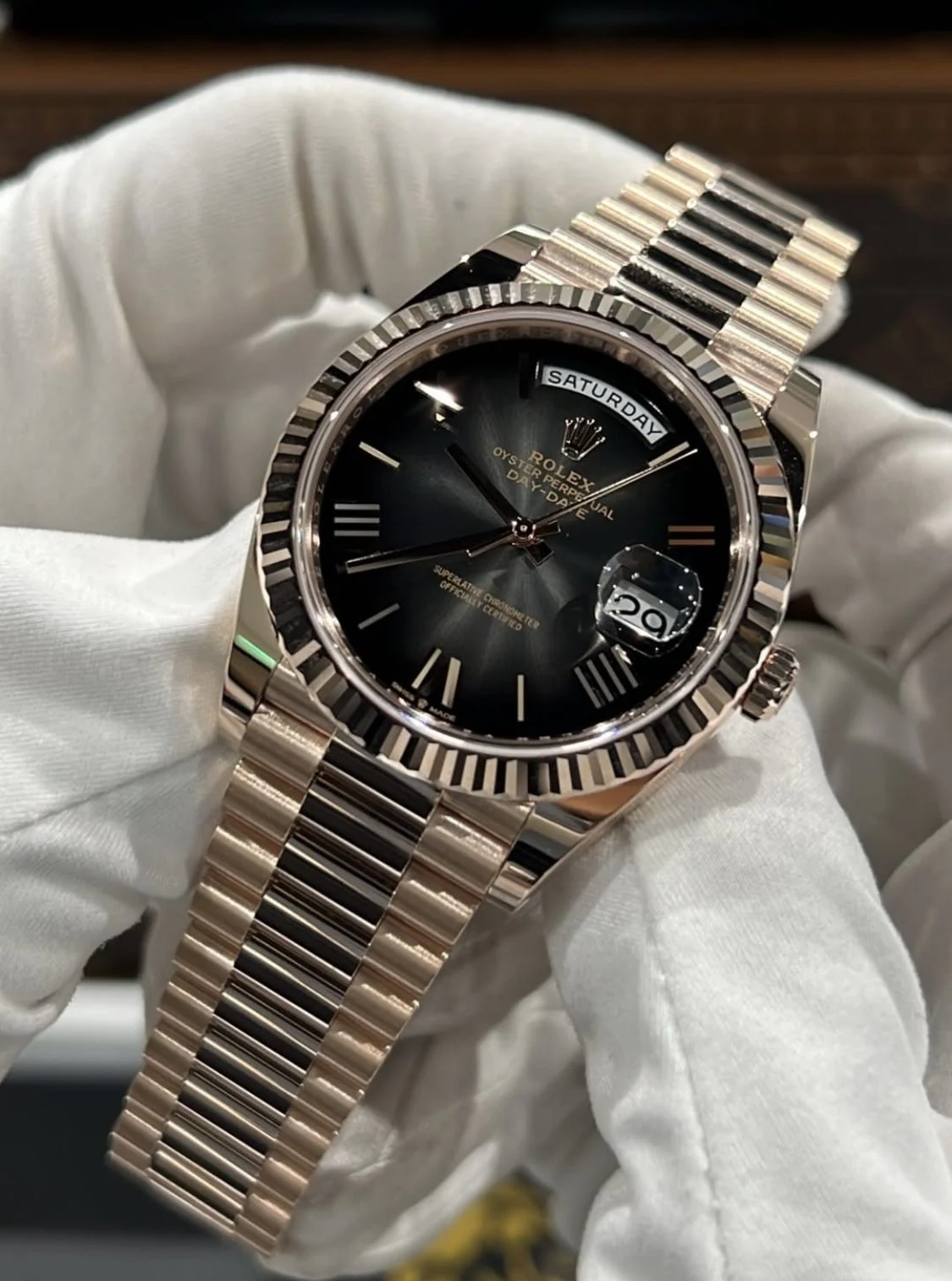
No — not all Rolex watches are fully “waterproof.” While many Rolex models are engineered with strong water resistance (some suitable for professional diving), Rolex uses varying water-resistance ratings across its range and no mechanical watch is permanently waterproof. Always check the specific model’s rating and ensure seals and crowns are serviced and correctly secured before exposing any watch to water.
Detailed explanation
Rolex is famous for the Oyster case, introduced in 1926, which established the brand’s reputation for water-resistant watches. Since then, most Rolex collections built on the Oyster concept have offered reliable protection against water ingress. However, Rolex’s lineup includes both sport models designed for underwater use (Submariner, Sea‑Dweller, Deepsea) and dressier models (Cellini) with lower water-resistance specifications. In addition, modern terminology favors “water-resistant” rather than “waterproof” because resistance is a rated, maintainable property that can be compromised by wear, impacts, or improper handling.
Key technical elements that determine a Rolex’s water resistance include the Oyster case geometry, a screw-down winding crown with triple or Twinlock/Twinlock-style gaskets, a sealed caseback, and a properly installed crystal. Water-resistance is also dependent on routine maintenance—gaskets age, seals compress, and pressure-rated performance can drop over time or after a service if not tested and resealed correctly.
Key reasons / factors
- Model design and rating: Different Rolex models are built and rated for different depths — from daily splash resistance to extreme professional diving depths.
- Oyster vs non-Oyster cases: Most modern Rolexes with “Oyster” cases have higher resistance; dress collections such as Cellini historically use different cases and lower ratings.
- Screw-down crown and gaskets: Properly screwed-down crowns and intact seals are essential to maintain the stated water resistance.
- Regular maintenance: Gaskets and seals deteriorate; periodic pressure testing and servicing are necessary to ensure ongoing resistance.
- Usage and handling: Impacts, crown position (unscrewed), temperature extremes, and chemical exposure (e.g., soaps, pool chlorine) can reduce water resistance.
- Manufacturer guidance: Rolex publishes specified resistances; deviations from recommended use voids safe operation in water.
Comparison
| Model (example) | Typical water-resistance |
|---|---|
| Submariner | 300 meters (suitable for recreational diving) |
| Sea‑Dweller | 1,220 meters / 4,000 ft (professional diving) |
| Deepsea | 3,900 meters / 12,800 ft (extreme deep diving) |
| Oyster Perpetual, Datejust, GMT-Master II, Explorer, Daytona, Yacht‑Master | Typically 100 meters (everyday swimming/snorkeling, not deep diving) |
| Cellini (dress watch) | Lower resistance (often around 50 meters or less depending on the model) — not intended for prolonged water exposure |
Pros and Cons
- Pros:
- Many Rolex models offer robust water resistance suitable for swimming and diving.
- Rugged construction (Oyster case, screw-down crown) enhances day-to-day reliability.
- Professional models (Submariner/Sea‑Dweller/Deepsea) are engineered for serious underwater use and include safety margins above rated depths.
- Cons:
- Not every Rolex is built for immersion — dress watches and non-Oyster designs have lower ratings.
- Water resistance degrades without maintenance; seals must be checked periodically.
- Improper use (leaving the crown unscrewed, exposure to hot showers/chemicals, shocks) can compromise resistance and cause costly damage.
FAQs
Can I swim with my Rolex?
It depends on the model and its water-resistance rating. Many Oyster-based Rolexes rated to 100 meters (or higher) are suitable for swimming and snorkeling. Use caution: ensure the crown is fully screwed down and that the watch has been serviced or pressure-tested according to Rolex recommendations if used frequently in water.
Is Rolex actually “waterproof”?
No watch is truly permanenty “waterproof.” Rolex uses engineered water-resistance ratings. Even though Rolex marketed the Oyster as highly protective, modern best practice is to treat watches as water-resistant with a finite serviceable lifespan. Regular checks and proper use are required to maintain the rating.
How often should I service my Rolex for water resistance?
Rolex recommends periodic servicing (intervals vary by use and model), commonly every 5–10 years for a full service. If you use the watch regularly in water—especially for diving—have the seals and pressure resistance checked more frequently (for example, annually or before important dives).
Does the Rolex warranty cover water damage?
Rolex’s warranty covers manufacturing defects, but damage resulting from misuse (e.g., crown left unscrewed, untested seals after modification, or impacts) is typically not covered. Always follow the manufacturer’s care instructions and have water exposure checked by an authorized service center.
Can I shower or go into a hot tub with my Rolex?
Avoid hot showers and hot tubs. High temperatures and sudden temperature changes can affect gaskets and seals, and exposure to soaps and chemicals can degrade seals or finish. Even if the watch is rated for water resistance, these conditions increase the risk of compromised protection.