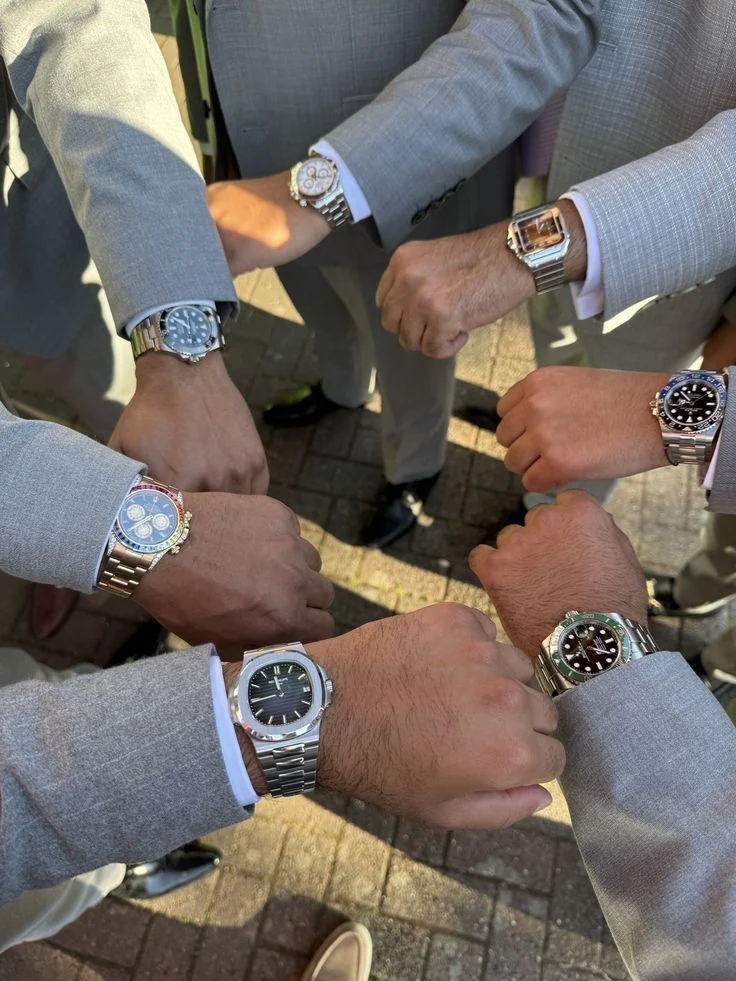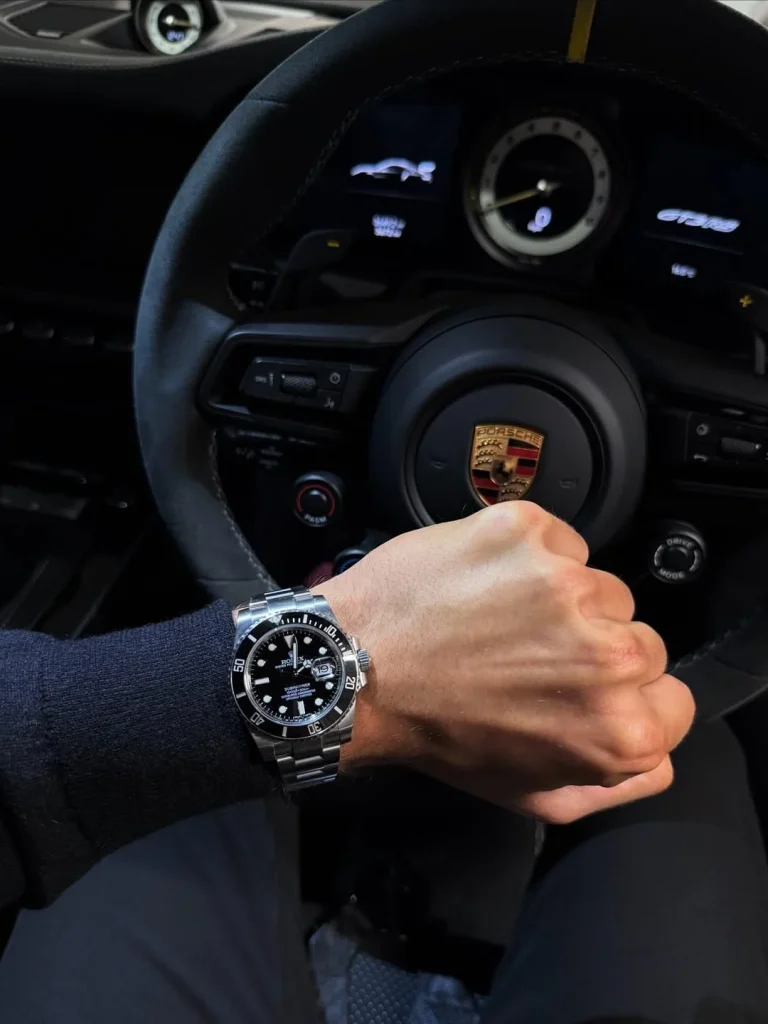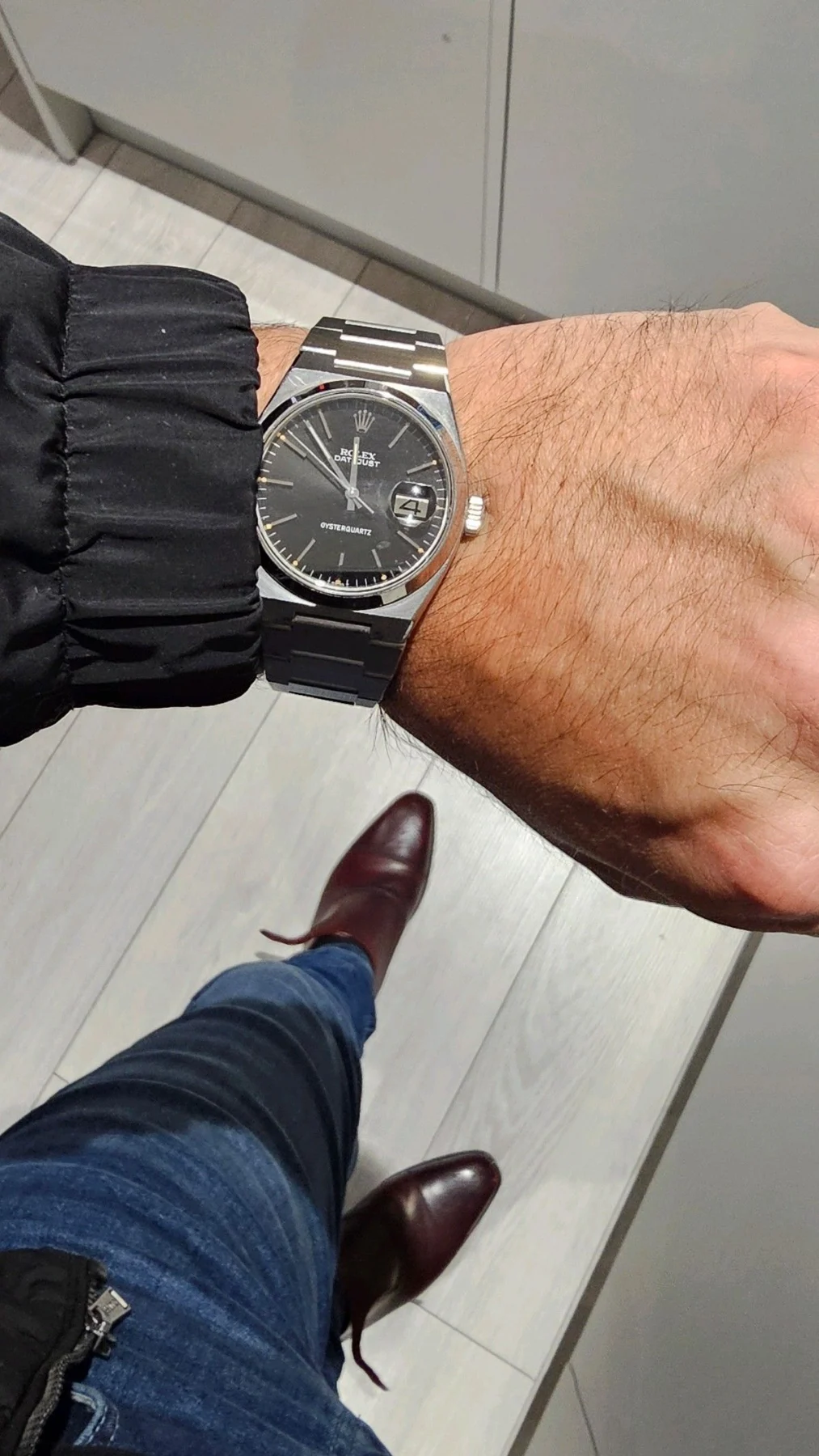
Short answer: Rolex watches are not marketed as absolutely “waterproof” (no watch truly is), but most Rolex models are highly water-resistant. Rolex uses the Oyster case, screw-down crowns and specialist gaskets to provide certified water resistance levels—commonly 100 meters for everyday models (Datejust, Oyster Perpetual, GMT-Master II, Daytona) and 300–3,900 meters for professional dive models (Submariner, Sea‑Dweller, Deepsea).
Detailed explanation
When people ask “is Rolex watch waterproof” they are usually asking whether a Rolex can be worn swimming, showering, or diving. Rolex itself describes its cases as “waterproof” in marketing language historically, but the technical and more accurate term is “water-resistant to a specified depth.” Rolex pioneered the Oyster case in 1926—the first widely successful sealed watch case—and has since developed multiple sealing technologies: the Oyster case body, screw-down winding crowns (Twinlock or Triplock systems), gasket systems, and hermetic casebacks.
Different Rolex models are designed and tested to different depth ratings. Examples of typical factory specifications are:
- Oyster Perpetual, Datejust, GMT-Master II, Explorer, Daytona: water-resistant to 100 meters (330 feet).
- Submariner: water-resistant to 300 meters (1,000 feet).
- Sea‑Dweller (standard): water-resistant to 1,220 meters (4,000 feet) or 3,900 meters (12,800 feet) for the Deepsea variants, depending on model.
These ratings are achieved through factory pressure testing. However, the rated water resistance assumes the watch is in good condition: the crown must be fully screwed down, gaskets must be intact, and there must be no aftermarket modifications that compromise the case. Over time and with wear, gaskets and seals age and can reduce water resistance, so periodic maintenance is essential.
Key reasons / factors
- Design and construction: The Oyster case, Monobloc middle case and screw-down casebacks create a sealed environment that resists water ingress.
- Crown system: Twinlock (two sealed zones) and Triplock (three sealed zones) screw-down crowns greatly improve water resistance—Triplock is used on professional divers.
- Gaskets and seals: Rubber and synthetic gaskets around the crown, crystal and caseback prevent water entry but age over time.
- Model rating: Each Rolex model has a factory depth rating—100m, 300m, 1,220m, 3,900m—so choose a model that matches the intended use.
- Maintenance/service history: Pressure testing and gasket replacement during service restore water resistance; lack of servicing reduces reliability.
- Aftermarket parts and modifications: Non-Rolex crystals, crowns or casebacks can void water resistance and warranties.
- User behavior: Operating crowns or pushers underwater, exposing watches to hot water/saunas, or severe impacts can compromise seals.
- Testing standards: Rolex performs stringent in-house pressure testing and quality control for its certified depths.
Comparison
Comparing Rolex water resistance to other brands and between Rolex models helps clarify expectations:
| Model | Typical water resistance | Common use |
|---|---|---|
| Oyster Perpetual / Datejust / GMT-Master II | 100 meters (330 ft) | Swimming, snorkeling, everyday wear |
| Submariner | 300 meters (1,000 ft) | Recreational and some professional diving |
| Sea‑Dweller | 1,220–3,900 meters (4,000–12,800 ft) | Professional deep-sea diving |
Compared with other luxury watchmakers, Rolex generally provides robust water resistance across its lineup. Brands like Omega (Seamaster) and Tudor (Pelagos) offer competitive or even higher water-resistance in certain models; the choice often comes down to the specific depth rating, features like helium escape valves, and personal preference.
Pros and Cons
- Pros:
- High-quality engineering (Oyster case, Twinlock/Triplock).
- Reliable factory water-resistance ratings for everyday and professional use.
- Durability and corrosion-resistant materials (904L/904LN stainless steel, Cerachrom bezels, etc.).
- Professional dive models built for extreme depths.
- Cons:
- No watch is truly “waterproof” forever—seals age and require service.
- Water resistance can be compromised by aftermarket work or accidental damage.
- Servicing and pressure testing can be costly and should be done by authorized technicians.
- Exposure to hot water/sauna, sudden temperature changes or operating crowns underwater can damage seals despite rated depth.
FAQs
Can I swim with my Rolex?
Yes—if your Rolex is a current model with a 100m rating (Oyster Perpetual, Datejust, etc.) or higher, swimming and snorkeling are generally safe so long as the crown is screwed down and the watch has been properly maintained. For diving, choose a Submariner or Sea‑Dweller according to depth needs.
Is a Rolex waterproof forever or does it need servicing?
Rolex water resistance is not permanent. Gaskets and seals degrade over time. Rolex recommends regular maintenance; many owners have watches pressure-tested and have seals replaced during routine service. Frequency depends on use—if you swim or dive regularly, consider checks every 1–3 years.
Can I shower with my Rolex?
Short answer: avoid it when possible. Although a 100m-rated Rolex can withstand water, hot showers, soaps, shampoos and steam can degrade gaskets and compromise seals more quickly than plain water. Rinse with fresh water after exposure to salt water and avoid pressing crowns or pushers while wet.
Are vintage Rolex watches still waterproof?
Vintage Rolex watches may no longer meet their original water-resistance ratings unless they have been serviced and had gaskets, crystals and crowns replaced. If you intend to wear a vintage Rolex around water, have it inspected and pressure-tested by a professional first.
Does Rolex warranty cover water damage?
Rolex warranties cover manufacturing defects but not necessarily damage from misuse (such as operating the crown underwater) or damage related to lack of maintenance. Water damage claims are evaluated case-by-case, and unauthorized repairs or aftermarket parts can void coverage. Always consult an authorized Rolex service center for repairs and testing.