Short answer: A new Rolex typically costs between approximately $3,000 and $75,000 at retail, depending on model and materials; however, popular sports models and rare/vintage pieces can sell for well over $100,000 on the secondary market, and exceptional collectors’ pieces can reach into the millions.
Detailed explanation
As a watch expert, it’s important to clarify that asking “how much is Rolex” can mean different things: the retail price of a current-production watch, the street price on the secondary market, or the value of a vintage/rare Rolex. At retail (authorized dealers), the typical entry point for a new Rolex Oyster Perpetual is usually in the low thousands of dollars. Mid-range stainless steel sports models like the Submariner, Datejust, and GMT-Master II commonly list in the $8,000–$15,000 range, but demand has pushed many of those models to trading prices significantly higher on the pre-owned market. Precious-metal models (gold, two-tone, platinum) and complicated models (Day-Date, certain chronographs, gem-set pieces) can range from the mid five figures to well above $100,000.
On the secondary market, several factors drive prices above retail: limited dealer allocations, collector demand, condition, original box and papers, and model desirability. For example, the stainless steel Daytona and certain GMT-Master II references have commanded premiums of 50% to several hundred percent over retail during peak demand. Vintage Rolex examples (rare dials, discontinued references, trial pieces, and celebrity provenance) can trade at auction for hundreds of thousands or millions of dollars.
Key reasons / factors
- Model and reference: Different Rolex references target different price brackets (e.g., Oyster Perpetual vs. Daytona vs. Day-Date).
- Materials: Stainless steel is often the most accessible; gold, platinum, and gem-set models are substantially more expensive.
- Condition and completeness: Watches with original box, papers, service history, and unpolished cases command higher prices.
- Production era and rarity: Discontinued or low-production references and rare dial variations are highly sought by collectors.
- Market demand and availability: Allocation limits at authorized dealers make certain steel sports models trade at premiums on the secondary market.
- Complications: Additional functions (chronograph, annual calendar, GMT) tend to increase price.
- Region, taxes, and import duties: Local taxes/VAT and shipping influence final consumer cost.
- Provenance: Celebrity ownership or notable auction history can exponentially increase a watch’s value.
Comparison (if relevant)
Below is a comparative snapshot of common Rolex categories showing approximate price ranges you might expect in today’s market. These ranges are indicative; actual prices vary by region, condition, and time.
| Rolex Category / Model | Typical Retail Price Range | Secondary Market Price Range |
|---|---|---|
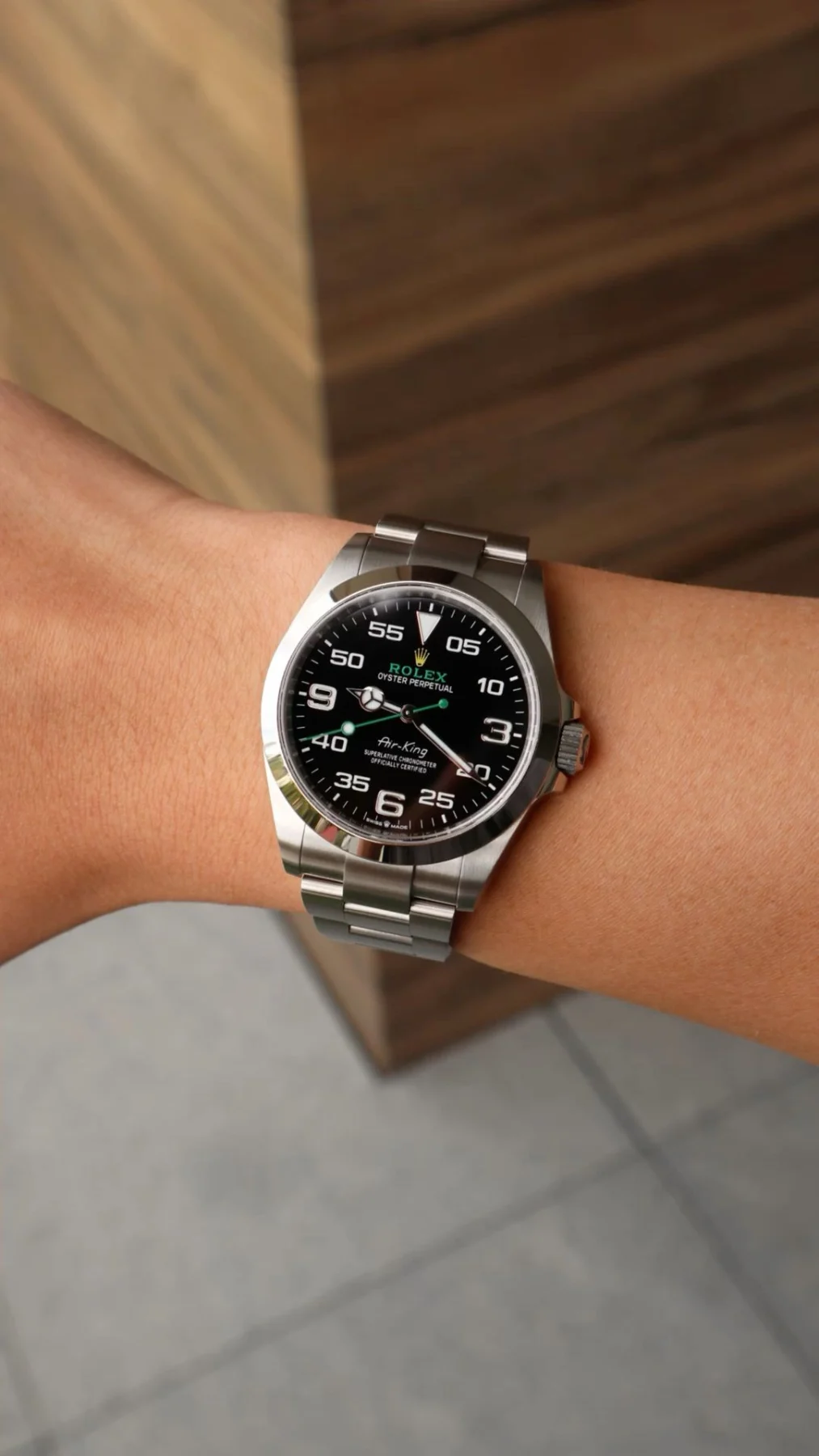
| Entry-level (Oyster Perpetual, Air-King) | $3,000 – $6,500 | $3,000 – $12,000 (varies with demand) |
| Classic / Dress (Datejust, Explorer) | $6,000 – $10,000 | $7,000 – $15,000 |
| Sports Steel (Submariner, GMT-Master II) | $9,000 – $14,000 | $12,000 – $40,000+ (high demand models higher) |
| Luxury / Precious Metal (Day-Date, President) | $30,000 – $70,000+ | $30,000 – $150,000+ |
| Chronograph & Rare (Daytona, vintage pieces) | $13,000 – $40,000+ | $25,000 – millions (rare/vintage Daytona examples) |
Pros and Cons
- Pros
- Strong brand recognition and resale value compared with many watch brands.
- Durable movements and robust construction; many models are practical daily watches.
- Large collector community and established aftermarket making valuation transparent.
- Iconic designs that appreciate in cultural and collector value for some references.
- Cons
- High demand and limited supply can lead to long dealer waitlists or significant premiums.
- Service and repair can be expensive if out of warranty, especially for precious metals or vintage pieces.
- Counterfeits and grey-market risks: buyers must be careful when purchasing used watches.
- Not every Rolex is a guaranteed investment; speculative buying can lead to losses on less-desirable models.
FAQs
How much does a Rolex cost new from an authorized dealer?
Prices vary by model and region, but new Rolex prices typically start around $3,000 for basic Oyster Perpetual models and can rise to tens of thousands for gold or complicated models. Authorized dealer prices follow Rolex’s official retail list, but availability is limited for many popular steel sports models.
Why are some Rolex watches more expensive on the secondary market than at retail?
Limited allocations at authorized dealers, high collector demand, and models being discontinued or scarce create premiums on the secondary market. Buyers sometimes pay more to avoid long waitlists or because a model has become a status symbol.
What’s the cheapest Rolex you can buy?
The most affordable current-production Rolex is typically an Oyster Perpetual or an Air-King, with retail prices in the low thousands. Pre-owned market prices for older, simpler Rolex models may be lower, depending on condition and age.
Are Rolex watches a good investment?
Some Rolex models have shown excellent appreciation over time—especially rare vintage pieces and highly sought-after steel sports models. However, not all Rolexes will rise in value; collector interest, condition, and market trends determine long-term performance.
How can I ensure I’m paying a fair price for a Rolex?
Research current retail prices and recent sale prices on reputable secondary-market platforms and auction results. Buy from authorized dealers or trusted, well-reviewed pre-owned sellers. Verify authenticity, request service history, and ask for original box and papers when possible.