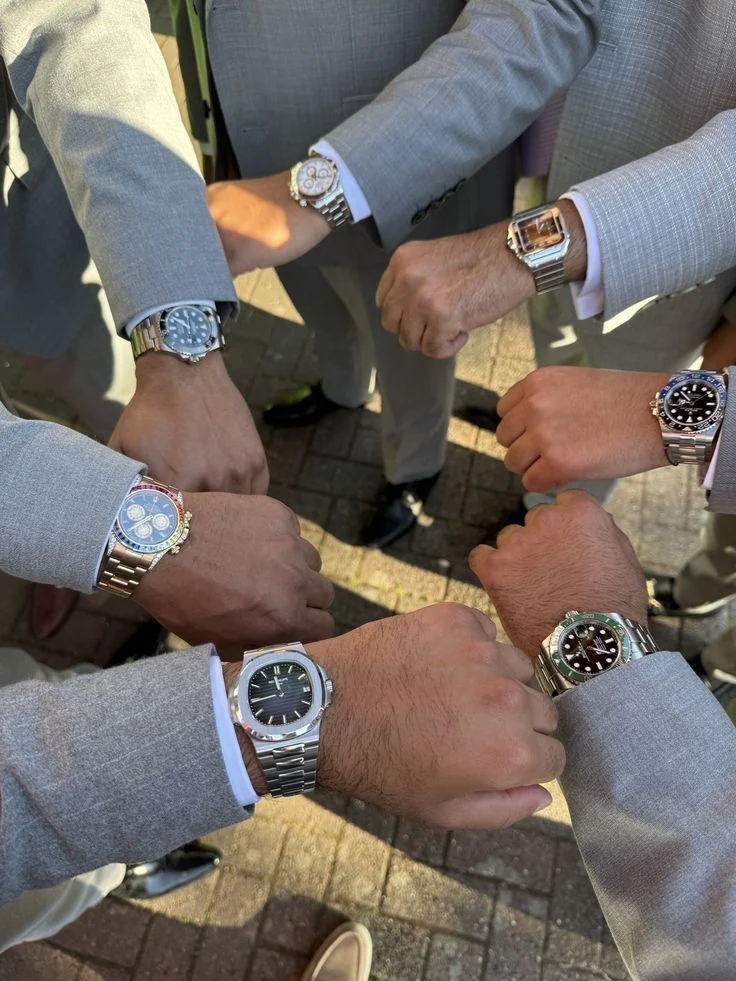
Short answer: Rolex watches are made from a combination of high-grade metals (notably Rolex’s proprietary Oystersteel 904L stainless steel, 18k gold alloys, and platinum), advanced ceramics (Cerachrom), sapphire crystal, and specialized movement components (including Parachrom hairsprings and high-performance lubricants). In short, Rolex uses purpose-selected metals, ceramics, and precision-engineered internal materials to ensure durability, corrosion resistance, and accuracy.
Detailed explanation
When people ask “what are Rolex made of” or “what Rolex are made of,” they usually mean the case, bracelet, bezel, crystal, and movement components. Rolex controls material selection closely and often uses proprietary alloys and treatments to achieve specific performance goals. The most commonly encountered materials are:
- Oystersteel (904L stainless steel): Rolex adopted 904L stainless steel—marketed as Oystersteel—for its exceptional corrosion resistance and ability to take a high polish. It is harder to machine than common 316L but offers superior finish and longevity.
- Solid gold (18k Yellow, White, and Everose Gold): Rolex casts and alloys its own 18k gold. Everose is Rolex’s proprietary pink gold alloy designed to resist fading.
- Platinum (950 Pt): Used on some high-end models like the Day-Date and special editions; platinum offers heft, a unique lustre, and strong corrosion resistance.
- Rolesor: Rolex’s term for two-tone watches combining Oystersteel and 18k gold—commonly seen on Datejust and Submariner models.
- Cerachrom bezel (ceramic): Scratch-resistant ceramic bezels that resist UV fading; found on modern sports models like the GMT-Master II and Submariner.
- Sapphire crystal: Synthetic sapphire for scratch resistance and clarity; often treated with anti-reflective coatings on some models.
- Movement materials: Rolex movements use nickel-phosphorus for anti-magnetic components, Parachrom alloy hairsprings for stability, high-performance oils, and meticulously finished brass and steel components for gears, bridges, and plates.
- Gemstones and dials: On gem-set models, Rolex uses high-quality diamonds and precious stones, set by in-house gemmologists, and employs mother-of-pearl and lacquer for dials on certain lines.
Rolex manufactures or carefully sources most materials, and the brand often processes them in-house—rolling, machining, and finishing metals in its own facilities. That vertical integration allows Rolex to maintain tight quality control, ensuring consistent appearance and long-term performance.
Key reasons / factors
- Durability: Materials like Oystersteel and Cerachrom are chosen to resist scratches, corrosion, and wear.
- Longevity and serviceability: Rolex designs parts to be serviceable for decades; using robust alloys and standardized components supports long-term maintenance.
- Appearance: High-polish finishes, proprietary gold alloys, and ceramic bezels preserve the watch’s aesthetic over time.
- Precision and stability: Movement materials such as the Parachrom hairspring and high-grade lubricants improve timekeeping stability across temperature and magnetic variations.
- Brand differentiation: Proprietary alloys (Everose) and terms (Rolesor, Cerachrom, Oystersteel) help Rolex stand out in materials science and marketing.
- Corrosion resistance: Especially important for dive watches and daily wear pieces exposed to sweat, seawater, and environmental agents.
- Luxury and value retention: Solid gold and platinum models carry intrinsic value and are part of Rolex’s prestige positioning.
Comparison
| Material | Typical Use | Key Properties |
|---|---|---|
| Oystersteel (904L) | Cases, bracelets (most stainless models) | High corrosion resistance, excellent polish, very durable |
| 18k Gold (Yellow, White, Everose) | Cases, bezels, bracelets, accents | Luxurious look, precious metal value, Everose resists color fading |
| Platinum (950) | High-end cases and bezels | Dense/heavy, unique lustre, very corrosion-resistant |
| Cerachrom (Ceramic) | Bezels | Scratch-resistant, colorfast, UV-resistant |
| Sapphire Crystal | Watch glass | Highly scratch-resistant, clear, durable |
| Parachrom, Nickel-Phosphorus | Movement components | Anti-magnetic, temperature-stable, shock-resistant |
Pros and Cons
- Pros:
- Exceptional durability and corrosion resistance (Oystersteel, Cerachrom).
- High-quality finishing and consistent manufacturing standards.
- In-house alloys and materials enhance longevity and brand value.
- Precision-engineered movements with anti-magnetic and shock-resistant components.
- Good resale value—materials like gold and platinum retain intrinsic worth.
- Cons:
- Premium materials increase cost—Rolex watches are expensive to buy and service.
- Luxury metals (gold, platinum) can scratch or show wear differently than steel.
- Ceramic bezels, while very hard, can crack under hard impact.
- Limited transparency—Rolex keeps specific alloy formulations and processes proprietary, which can frustrate technical curiosity.
FAQs
1. Are Rolex cases solid gold or gold-plated?
Rolex uses solid 18k gold for its gold watches, not just plating. Gold versions are fully crafted in 18k yellow, white, or Everose gold—meaning the case, bracelet (if gold), and clasp are made from solid gold components.
2. What is Oystersteel and why does Rolex use it?
Oystersteel is Rolex’s name for 904L stainless steel, selected for superior corrosion resistance and its ability to take a superior polish. While harder to machine than common 316L steel, Oystersteel holds up better in harsh environments and maintains finish over the long term.
3. Is Cerachrom bezel unbreakable?
Cerachrom ceramic is extremely scratch-resistant and colorfast, but it is not unbreakable. It can chip or crack if struck sharply or dropped onto a hard surface, but under daily wear it remains highly durable.
4. Do Rolex movements use any special materials?
Yes. Rolex employs alloys like Parachrom for hairsprings and nickel-phosphorus for certain escapement parts to enhance anti-magnetism, temperature stability, and shock resistance—contributing to reliable timekeeping.
5. Are Rolex watches repairable given their proprietary materials?
Yes. Rolex designs watches to be serviceable by authorized service centers. While some materials and alloys are proprietary, Rolex-trained technicians and certified parts ensure long-term repairability and maintenance.