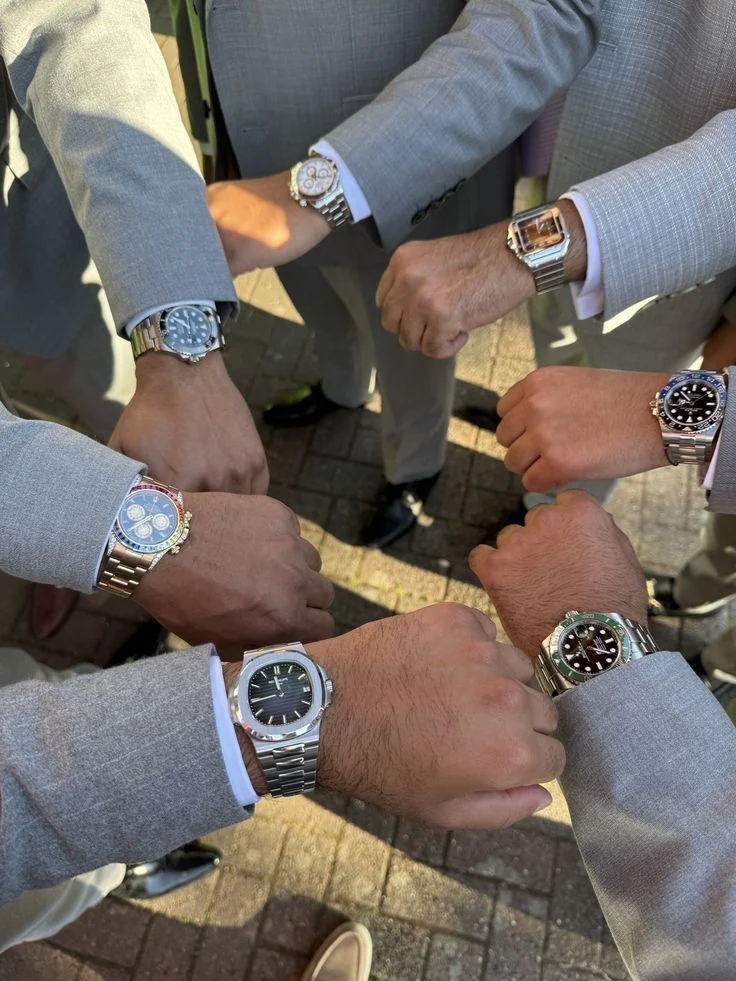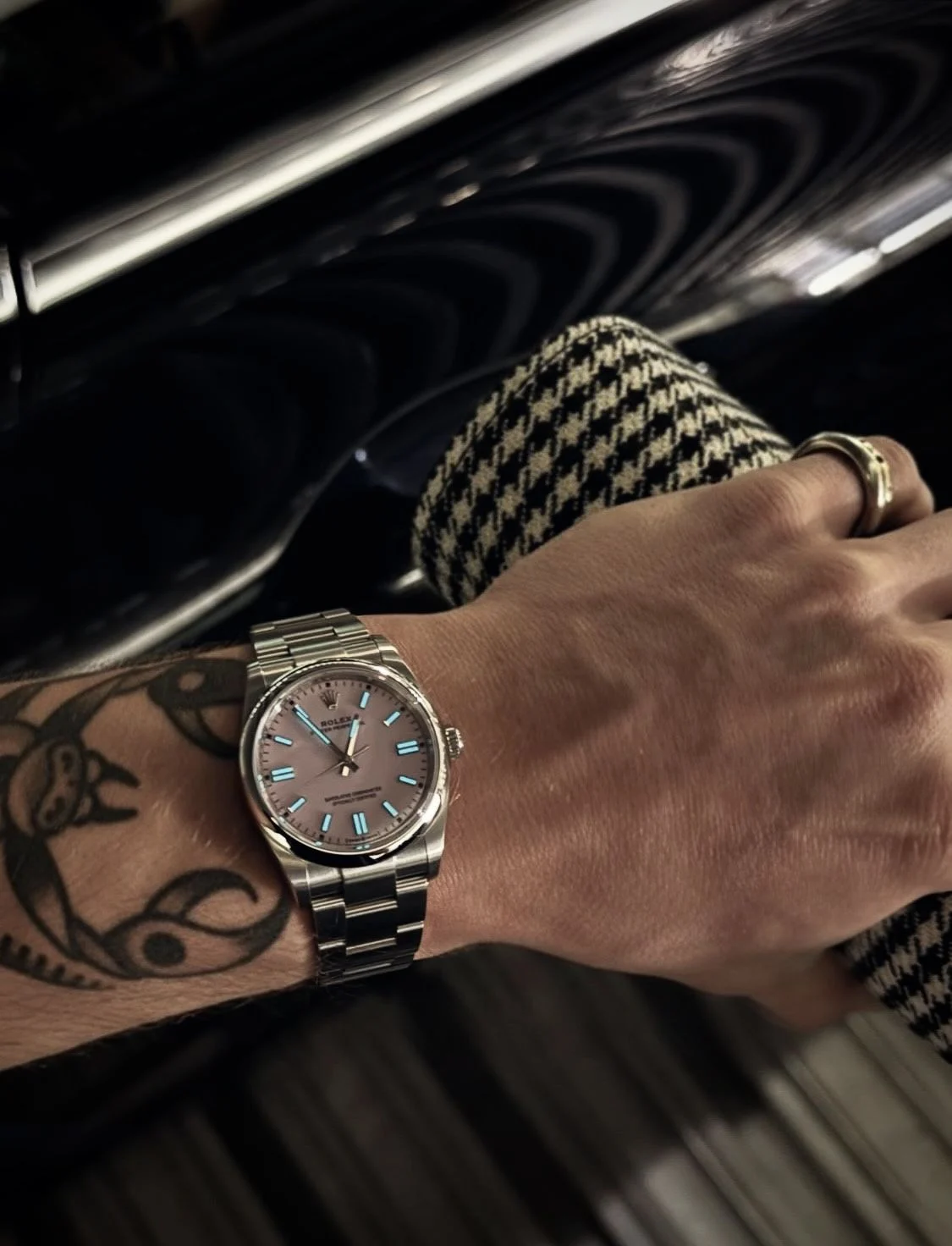
A Rolex is a Swiss-made luxury watch and a globally recognized brand known for crafting high-quality mechanical wristwatches. Founded in 1905, Rolex produces iconic models like the Submariner, Datejust, and Daytona; the name “Rolex” has become synonymous with precision, durability, status, and strong resale value in the watch world.
Detailed explanation
Rolex is both a watch manufacturer and a brand that represents a particular standard of watchmaking. While many people ask “what is a Rolex watch?” they mean both the physical object and the reputation behind it. Rolex SA (commonly called simply “Rolex”) is based in Geneva, Switzerland, and is known for producing in-house movements, highly finished cases, and innovations such as the Oyster waterproof case (introduced in 1926) and the Perpetual self-winding rotor (introduced in 1931).
A Rolex watch is typically mechanical (automatic or sometimes manual), made from premium materials like 904L/904L-equivalent stainless steel (marketed as “Oystersteel”), 18k gold alloys, and proprietary Everose gold. Many Rolex models carry a Superlative Chronometer certification, meaning they meet tight accuracy standards after casing, beyond the basic COSC chronometer testing. Rolex designs combine functional tool-watch heritage (divers, pilots, explorers) with timeless dress pieces, which contributes to their broad appeal.
Beyond construction, Rolex’s brand strength comes from decades of consistent design language, tight quality control, influential marketing, and a controlled distribution network through authorized dealers. This combination makes “what is a Rolex” a question about engineering as much as about cultural value: it’s a precision instrument and a symbol of achievement.
Key reasons / factors
- Heritage and history: Over a century of continuous watchmaking and technical innovations (Oyster case, Perpetual rotor, Cerachrom bezel).
- In-house manufacturing: Rolex designs and manufactures its own movements, cases, bracelets, and many components.
- Quality and finishing: High standards in materials, polish, and assembly with strict quality control.
- Certifications: Superlative Chronometer testing and often COSC chronometer certification for movements.
- Iconic designs: Models like the Submariner, Datejust, GMT-Master II, and Daytona are instantly recognizable.
- Durability: Built for long-term use—water resistance, robust cases, reliable movements.
- Resale and investment potential: Many Rolex watches hold or appreciate in value over time.
- Global brand recognition: Rolex is widely viewed as a status symbol in many cultures.
Comparison
Comparing “what is a Rolex” to other watches helps clarify where Rolex sits in the market:
- Rolex vs Omega: Both are Swiss and produce high-quality watches, but Rolex generally commands higher resale values and more conservative designs; Omega emphasizes technological milestones (e.g., Master Chronometer certification, anti-magnetic movements) and offers strong value in terms of features per price.
- Rolex vs Patek Philippe: Patek is in a different tier—focused on haute horlogerie, complicated movements, finishing, and limited production. Patek typically far exceeds Rolex in exclusivity and price for high-end pieces, while Rolex is more about durable luxury and widespread recognition.
- Rolex vs Tudor: Tudor is Rolex’s sister brand offering more accessible prices and often modern stylistic freedom; Tudor uses some in-house calibers but generally targets a younger or budget-conscious buyer while benefiting from Rolex’s heritage.
- Rolex vs Seiko/Grand Seiko: Seiko offers a spectrum from affordable to high-end (Grand Seiko). Grand Seiko competes on finishing and movement quality, sometimes surpassing Rolex in finishing per price, but Rolex maintains stronger global brand prestige and resale stability.
Pros and Cons
- Pros:
- Exceptional build quality and reliability.
- Strong after-sales service and global service network.
- High brand recognition and status.
- Many models retain or appreciate in resale value.
- Iconic, timeless designs suitable for many occasions.
- Cons:
- High purchase price and premium for popular models.
- Long waitlists and limited availability at authorized dealers for certain models.
- Conservative styling can be seen as less innovative compared with some independent brands.
- Service costs can be significant over time.
- Counterfeits and grey-market issues—care needed when buying used.
FAQs
Is Rolex a good investment?
Rolex watches, particularly iconic stainless steel models like the Submariner, Daytona, and GMT-Master II, often hold or increase in value. However, not every Rolex will appreciate; factors like model rarity, condition, service history, and market trends matter. Buy what you love first; consider potential investment value as a secondary benefit.
Are Rolex watches made in Switzerland?
Yes. Rolex watches are manufactured in Switzerland, primarily in Geneva and Bienne. The company emphasizes Swiss watchmaking traditions and quality control in its production processes.
What makes Rolex different from other luxury watch brands?
Rolex’s differentiation comes from a combination of in-house production, decades of proven reliability, iconic model continuity, strict quality control, and powerful brand identity. Unlike some brands that pivot design frequently, Rolex evolves conservatively, which enhances long-term recognition and resale value.
How can I tell if a Rolex is authentic?
Authenticate by inspecting serial/reference numbers, movement finishing, weight, cyclops lens magnification, engraving quality, and bracelet construction. The safest route is to buy from an authorized dealer or have the watch examined by a certified watchmaker or Rolex service center.
Does Rolex make quartz watches?
Rolex historically produced a few quartz models (e.g., the Oysterquartz) but today focuses almost exclusively on mechanical movements. The quartz models are now discontinued and sometimes sought after by collectors.